‘English as she is spoke’: meaning and origin

broken English—UK, 1883—from ‘English As She is Spoke: or A Jest in Sober Earnest’ (London: Field & Tuer, 1883), title given to a book intended as a Portuguese-English conversational guide
Read More
“ad fontes!”
broken English—UK, 1883—from ‘English As She is Spoke: or A Jest in Sober Earnest’ (London: Field & Tuer, 1883), title given to a book intended as a Portuguese-English conversational guide
Read More
a comma immediately preceding the conjunction in a list of items—1978—named after the preferred use of such a comma in the house style of Oxford University Press
Read Moreto have no idea at all—Scotland, 1990—‘scooby’ (short for ‘Scooby Doo’, name of cartoon dog in U.S. television series and films): rhyming slang for ‘clue’
Read More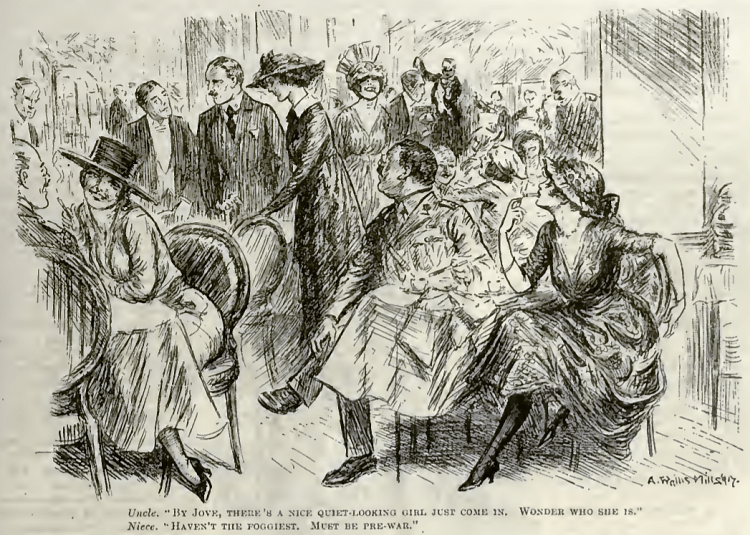
to have no idea at all—UK, 1913, shortening of ‘not to have the foggiest idea’ and variants (mid-19th century)—adjective ‘foggy’ means hazy, vague
Read MoreUK and USA, World War One—borrowing from French, literally ‘it is war’—expresses acceptance of, or resignation at, the situation engendered by war
Read More
The letter ‘s’ in both the nouns currently spelt ‘island’ and ‘aisle’ is due to folk-etymological association of those words with the unrelated noun ‘isle’.
Read More
Decided by the Académie française, the erroneous spelling ‘oignon’ (= ‘onion’) has become a symbol of prejudiced people, ignorant of the history of their own language.
Read More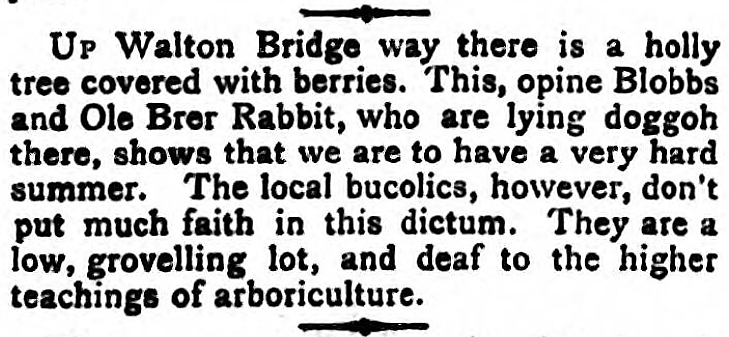
UK, 1882—to remain motionless and quiet; to keep a low profile—probably from ‘dog’ and suffix ‘-o’, with allusion to the characteristically light sleep of a dog
Read Moreconfused activity and uproar—alludes to the frequent collocation of ‘alarum’ and ‘excursion’ in stage directions in Shakespearean drama
Read MoreThe Guardian, UK, 23 May 1978—used by one Lionel Bloch to designate—and denounce—the rhetoric employed by the advocates of the communist regimes
Read More
