‘Charlie’s dead’ (your petticoat is showing)
UK, 1950s—used among schoolgirls when one’s petticoat was showing (origin unknown)—synonyms: ‘it’s snowing again’, ‘you’re showing next week’s washing’
Read More
“ad fontes!”
UK, 1950s—used among schoolgirls when one’s petticoat was showing (origin unknown)—synonyms: ‘it’s snowing again’, ‘you’re showing next week’s washing’
Read More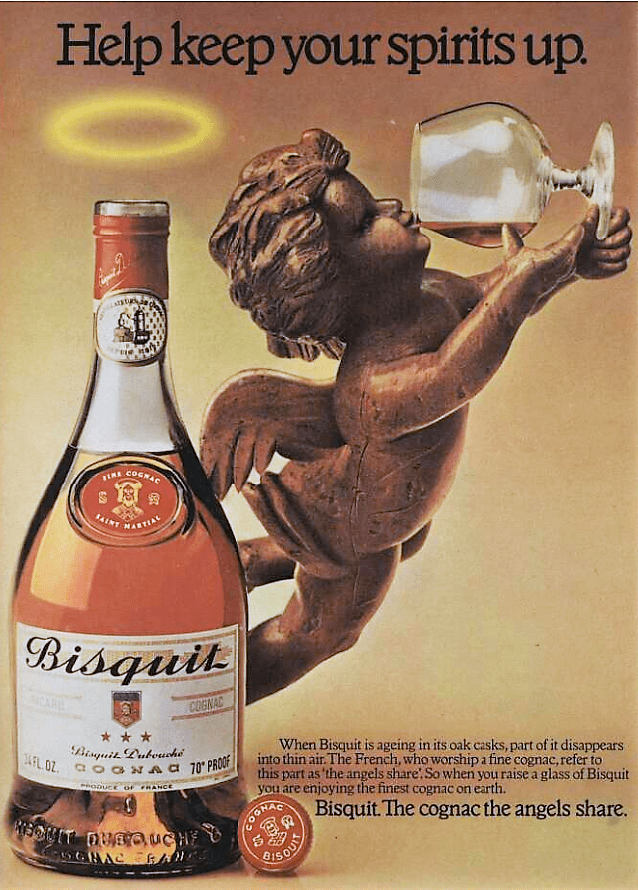
UK, 1970—the quantity of distilled spirits lost to evaporation while ageing in wooden casks; the vapours resulting from this process—calque of French ‘la part des anges’
Read More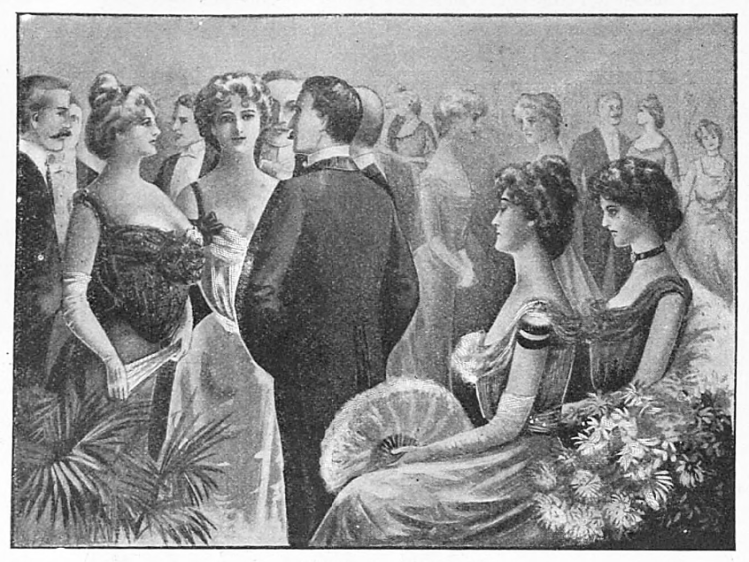
UK 1801 ‘wallflower’—France 1806 ‘faire tapisserie’ (= ‘to do tapestry’)—in both cases because the person keeps their seat at the side of a room during dancing
Read More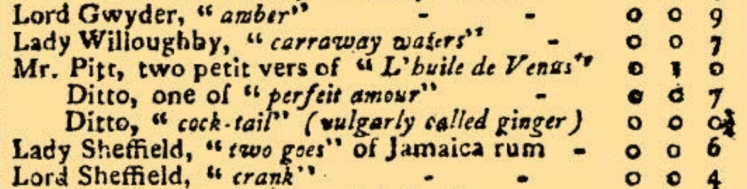
UK, 1798—‘cocktail’ explained as being “vulgarly called ginger”—perhaps from the use of ‘ginger’ to denote a cock with red plumage
Read More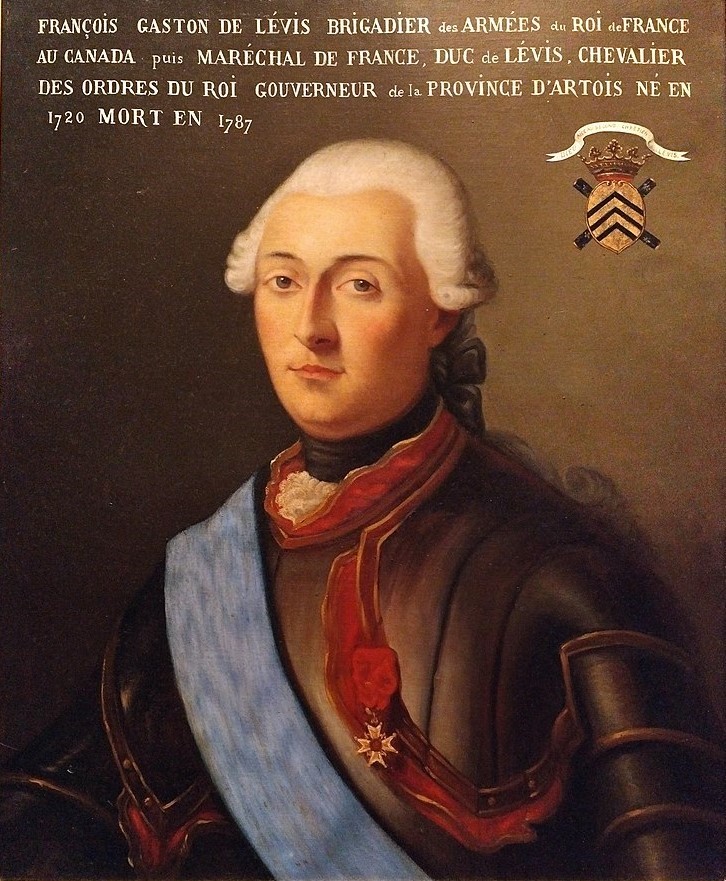
originally the sky-blue ribbon worn by the Knights-grand-cross of the French order of the Holy Ghost—applied by extension to other first-class distinctions
Read Moresite of a nuclear power station accident (1986)—name associated with the end of the world in the Bible—epithet for Disneyland Paris, seen as a cultural disaster
Read More
a man and woman in the act of copulation—English: earliest in Shakespeare’s Othello—perhaps a calque of French: earliest in Rabelais’s Gargantua (1542)
Read Moree.g. ‘one eye at St. Paul’s and the other at Charing-cross’, ‘un œil aux champs et l’autre à la ville’ (one eye at the fields and the other at the town)
Read More
The letter ‘s’ in both the nouns currently spelt ‘island’ and ‘aisle’ is due to folk-etymological association of those words with the unrelated noun ‘isle’.
Read More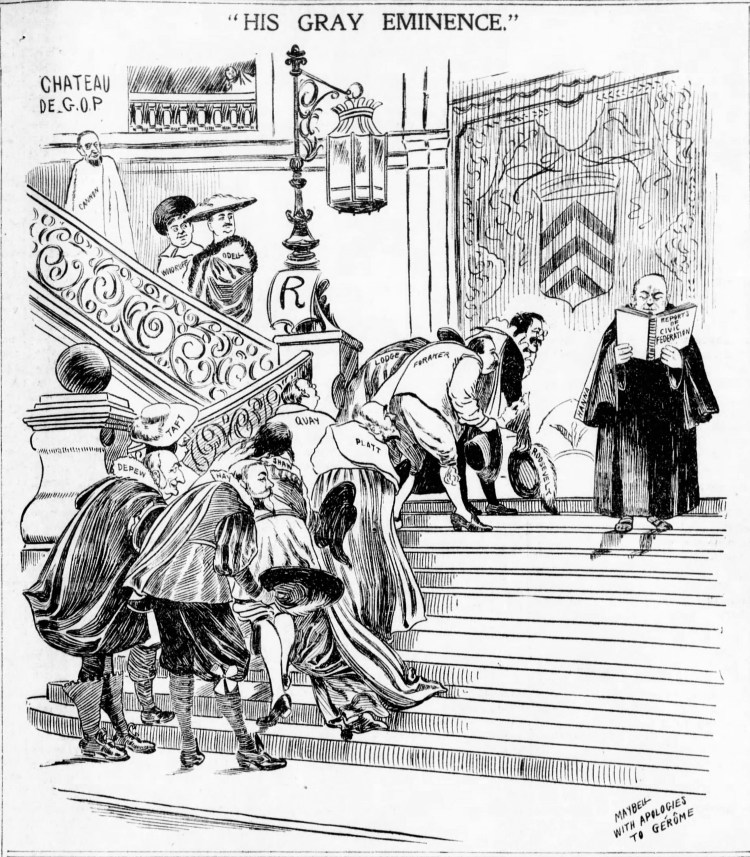
UK, 1877—a person who wields unofficial power and influence—originally applied to Père Joseph (François Leclerc du Tremblay), French friar, confidential agent of Cardinal Richelieu
Read More word histories