history of the phrase ‘Does a bear shit in the woods?’

USA—used ironically as a response to a question or statement felt to be blatantly obvious—from 1959 onwards as ‘Does a bear live in the woods?’ and variants
Read More
“ad fontes!”
USA—used ironically as a response to a question or statement felt to be blatantly obvious—from 1959 onwards as ‘Does a bear live in the woods?’ and variants
Read More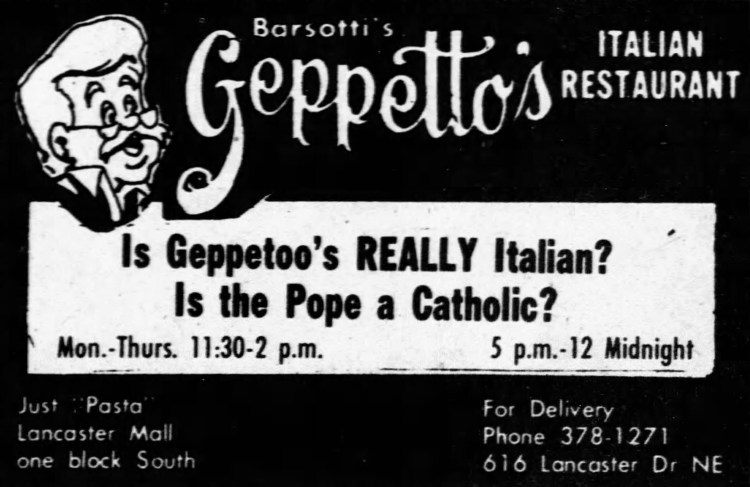
USA, 1951—rhetorical question used ironically as a response to a question or statement felt to be blatantly obvious
Read More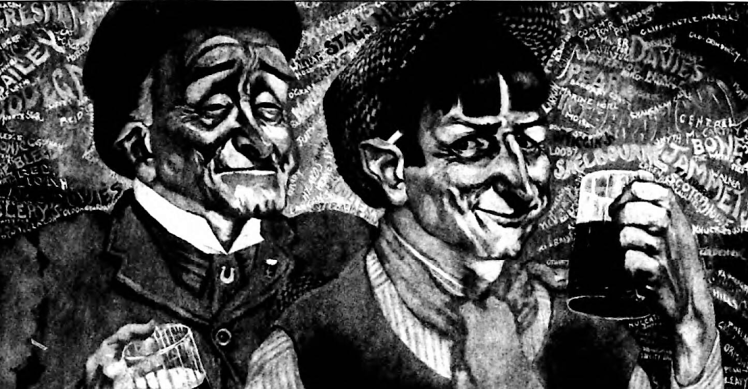
USA, 1902—jocularly used to justify the necessity of taking another alcoholic drink—Irish variant (1947): ‘a bird never flew on one wing’
Read More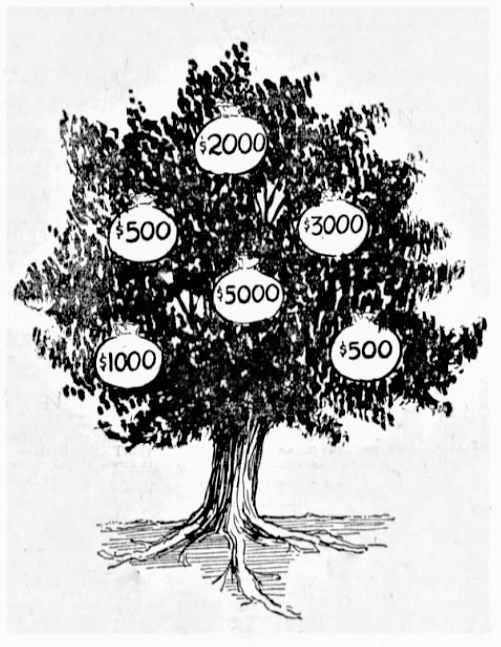
‘money tree’ (UK, 1749): a source of easily obtained or unlimited money—‘to shake the money tree’ (UK, 1851)—related to proverb ‘money does not grow on trees’
Read MoreUSA, 1926—only a person with a given personality, characteristic, etc., is able to identify that quality in someone else—particularly used of homosexuals
Read More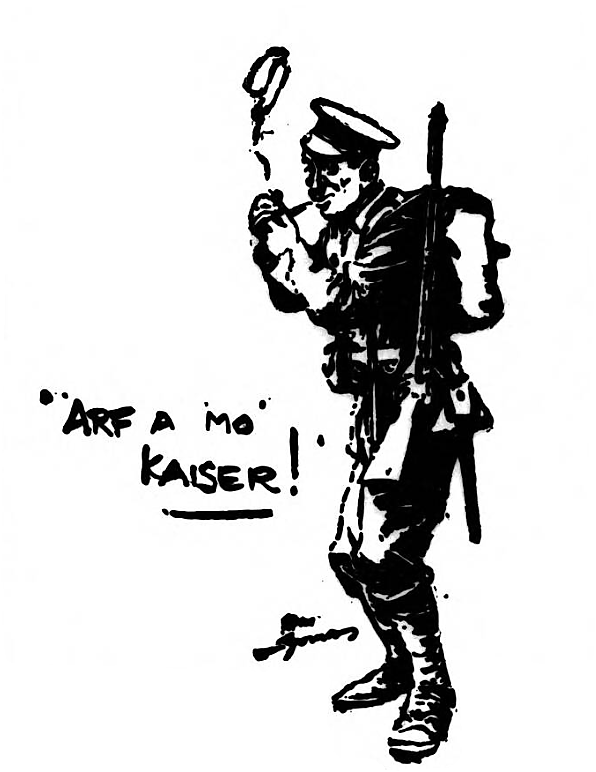
“half a moment, Kaiser!”—1914 as the caption to a drawing by Bert Thomas, published in the Weekly Dispatch (London) to advertise a tobacco fund for soldiers
Read More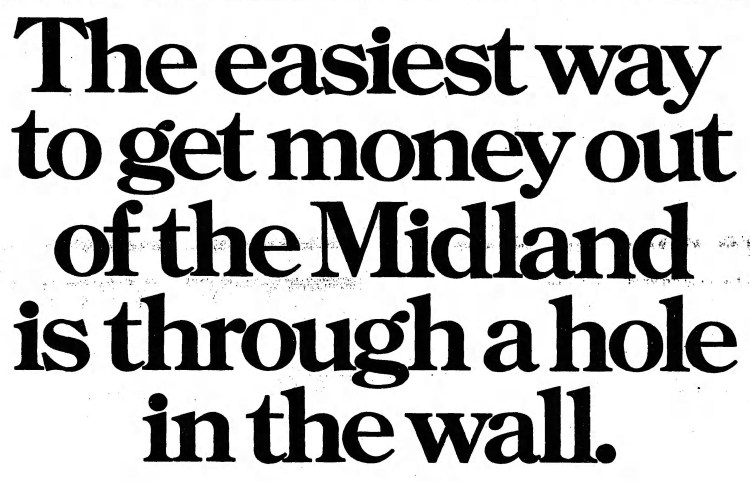
1980—an automated teller machine installed in the wall of a bank or other building—first used attributively of machines operated by Lloyds Bank
Read More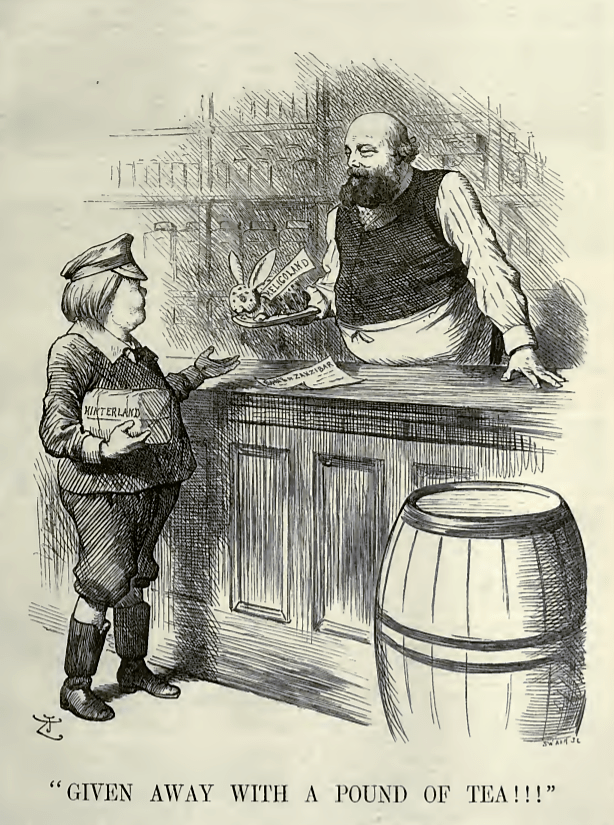
UK, 1881—used of something considered tawdry—from the grocers’ former practice of making a free gift with every pound of tea or with any fair-sized order
Read More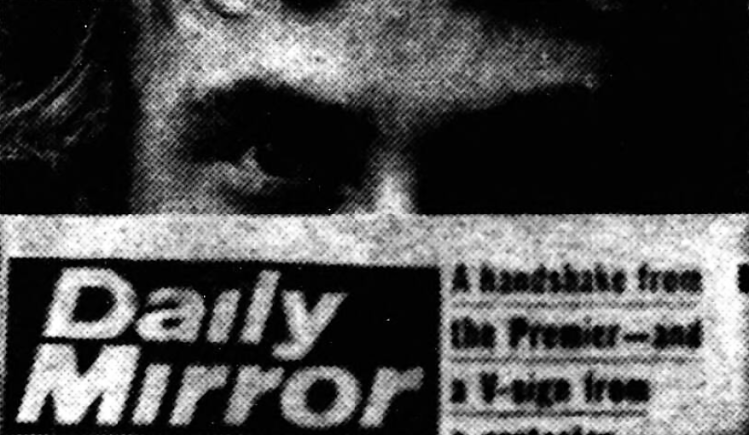
1973—a mystery man the Daily Mirror has challenged its readers to identify in order to claim prize money—‘Chalkie’ typical epithet for people surnamed ‘White’
Read More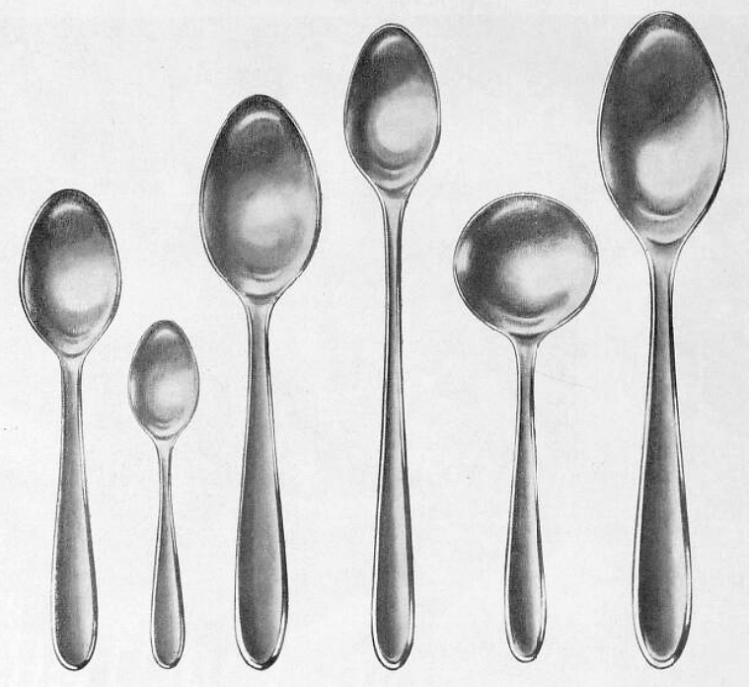
said as a jest after the departure of a person or persons regarded as untrustworthy—apparently coined by the English lexicographer Samuel Johnson (1709-1784)
Read More
