the authentic origin of ‘to turn a blind eye’
early 19th century—shortening of ‘to turn the deaf ear and the blind eye’ and variants
Read More
“ad fontes!”
early 19th century—shortening of ‘to turn the deaf ear and the blind eye’ and variants
Read More
UK, late 19th cent.—probably a rendering of an Irish patronym, based on stereotypes generated by Irish immigration to Britain and popularised by theatre
Read Moreprobably from Latin ‘Mater Cara’ or Italian ‘Madre Cara’, ‘dear mother’, i.e. the Virgin Mary, believed by sailors to send the petrel as a harbinger of storms
Read More
the name of a deep boggy place at the beginning of Christian’s journey to the Celestial City in ‘The Pilgrim’s Progress’ (1678), by John Bunyan
Read More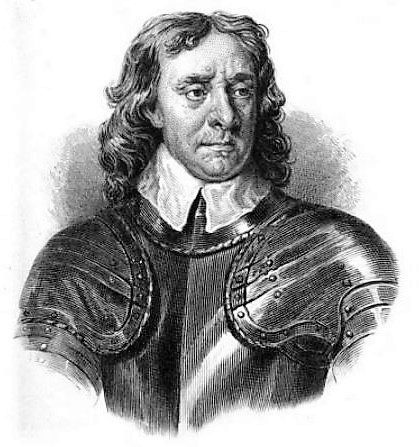
said to have originated in Oliver Cromwell’s instructions to the painter Peter Lely to represent him as he truly was, without concealing his blemishes
Read More‘To eavesdrop’ originally referred to standing within the eavesdrop (the ground on to which water drips from the eaves of a house) in order to overhear what is going on inside.
Read More1837—used by Sainte-Beuve to describe French poet Vigny’s seclusion in a turret room and preoccupation with inspiration unconnected with practical matters
Read More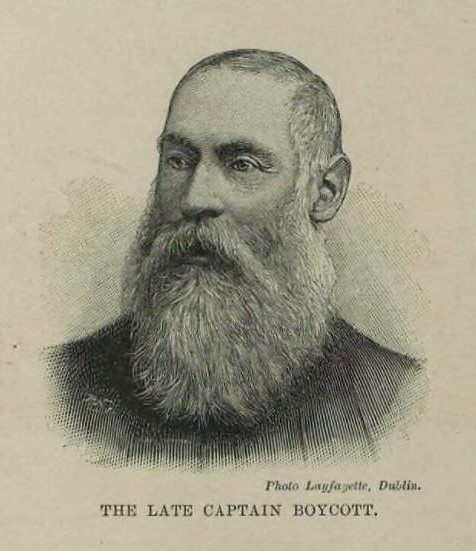
from the name of Captain Charles C. Boycott, land agent in Ireland, who was ostracised for refusing to reduce rents during the Land League agitation in 1880
Read More
from the image of breaking the frozen surface of a river in order to make a passage for boats – probably from Latin ‘scindere glaciem’, in Erasmus’s Adages
Read More
US, 1990s—a day on which one’s hair is unmanageable, hence a day on which everything seems to go wrong, a period of unusual agitation, frustration or uneasiness
Read More word histories