a moment of sudden discovery, inspiration or insight—1918—from the reputed exclamation of Archimedes when he realised that the volume of a solid could be calculated by measuring the water displaced when it was immersed
Australia, 1943, derogatory—a soldier who does not see active service, especially a reservist—from ‘cut lunch’, denoting a packed lunch, typically consisting of sandwiches
also ‘like a lily on a dirt-tin’ and variants—something or somebody that is incongruous or conspicuous—UK, 1934, but chiefly Australian (from 1948 onwards)
Australia, 1888—to stir up controversy; to liven things up—also ‘to rouse the possum’ (Australia, 1898)—this phrase probably developed as the obverse of ‘to play possum’
a drink of frothy milk, designed as an alternative to coffee for young children—also: a small cup of cappuccino—Australia, 1995—from ‘baby’ and ‘‑ccino’ in ‘cappuccino’
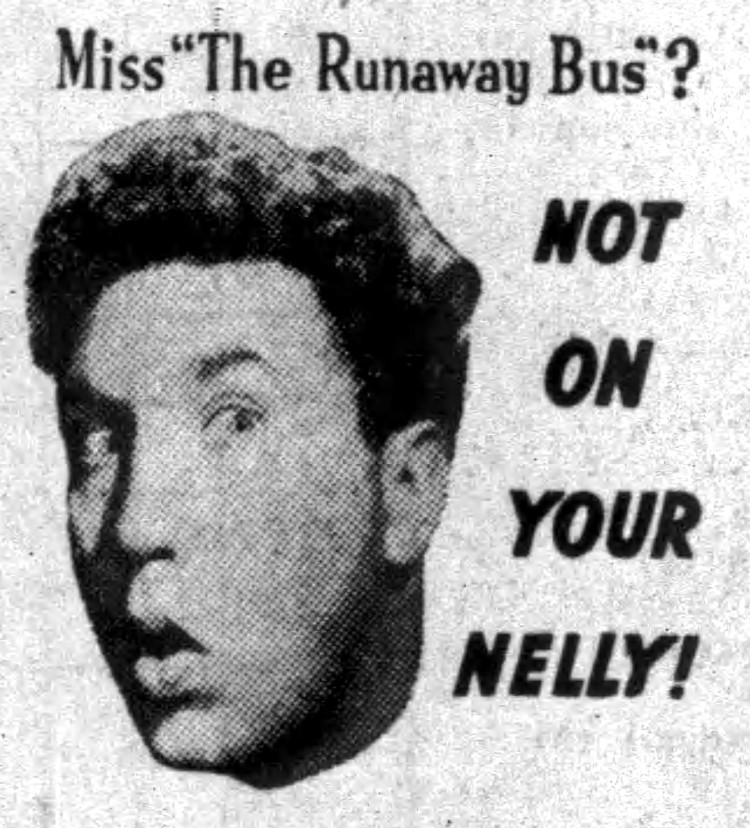
‘not under any circumstances’—Royal Air Force slang, 1942—short for ‘not on your Nelly Duff’, i.e., ‘not on your life’, ‘Nelly Duff’ being rhyming slang for ‘puff’ as used colloquially in the sense of ‘life’
Canada, 1928—resembling Jeeves, the perfect valet in stories by the English author Pelham Grenville Wodehouse (1881-1975); this fictional character first appeared in 1915
late 19th century—to disappear suddenly without leaving information about one’s whereabouts—from conjuring, in which ‘vanishing act’ designates an act of making a person or thing disappear as if by magic, and an act of disappearing in this manner