‘sausage-wrapper’ (i.e., a newspaper)
colloquially used as a contemptuous appellation for a newspaper that the speaker regards as downmarket—Australia, 1880—but had occurred once (USA, 1874) as ‘bologna sausage wrapper’
Read More
“ad fontes!”
colloquially used as a contemptuous appellation for a newspaper that the speaker regards as downmarket—Australia, 1880—but had occurred once (USA, 1874) as ‘bologna sausage wrapper’
Read MoreAustralia, 1929—mistaken, astray, following the wrong tactics
Read Morethe collecting of a pool of money, to be used either to provide assistance to some (other) person(s) or cause, or to buy drinks for the contributors—USA, 1863—nautical origin: such funds were originally collected by having the ship’s crew drop their money onto a tarpaulin
Read Morethe imaginary vehicle supposed to take people to the mental asylum—Australia (1869), New Zealand (1884)—the reason the colour green was chosen is unknown
Read Moreto reach, or to be in, a state of extreme privation; to suffer hardship; to die, especially of thirst—New Zealand (miners, 1871) & Australia (1881)
Read More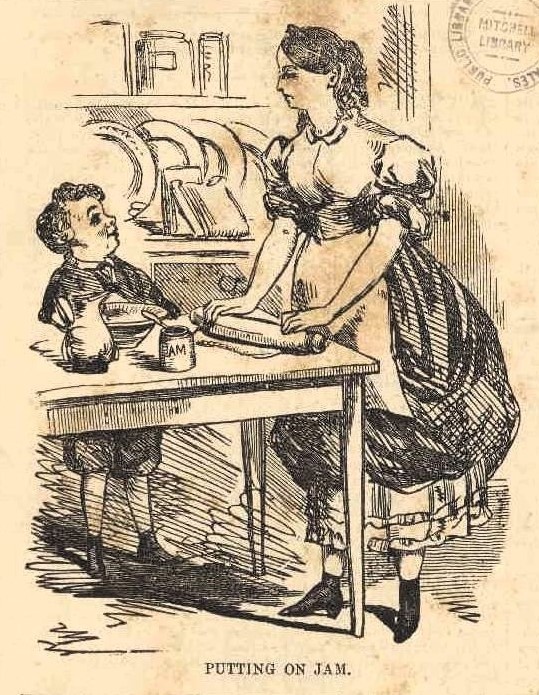
Australia, 1881—to adopt an affected speech or manner, to display self-importance—also, in early use: to embellish the truth, to depict flatteringly
Read Moreyou cannot improve something which is inherently or unalterably unpleasant, or of poor quality—USA, 1977—originally in reference to rock music
Read MoreAustralia, 1947—used of any ineffectual Australian-Rules-Football player, and, by extension, of any ineffectual person
Read More
rhyming slang for ‘drunk’—Australia, 1952—may have originally alluded to ‘Molly the Monk’, the name given in Australia to various primates kept in captivity or used for entertainment
Read Morea Volkswagen car—USA, 1967—from the pronunciation of ‘VW’ (initialism from the name ‘Volkswagen’)—‘dub’: shortened form of the adjective ‘double’ in ‘double U’
Read More
