the anti-nuclear phrase ‘one flash and you’re ash’
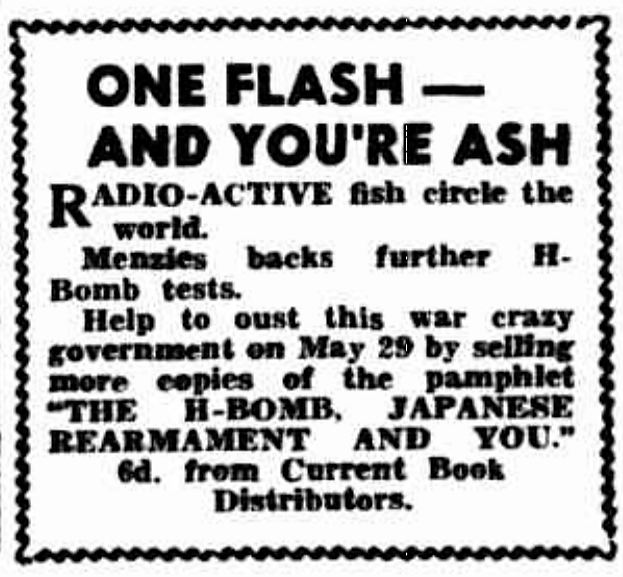
Australia, 1953—slogan used by opponents of nuclear weapons—also used in New Zealand
Read More
“ad fontes!”
Australia, 1953—slogan used by opponents of nuclear weapons—also used in New Zealand
Read More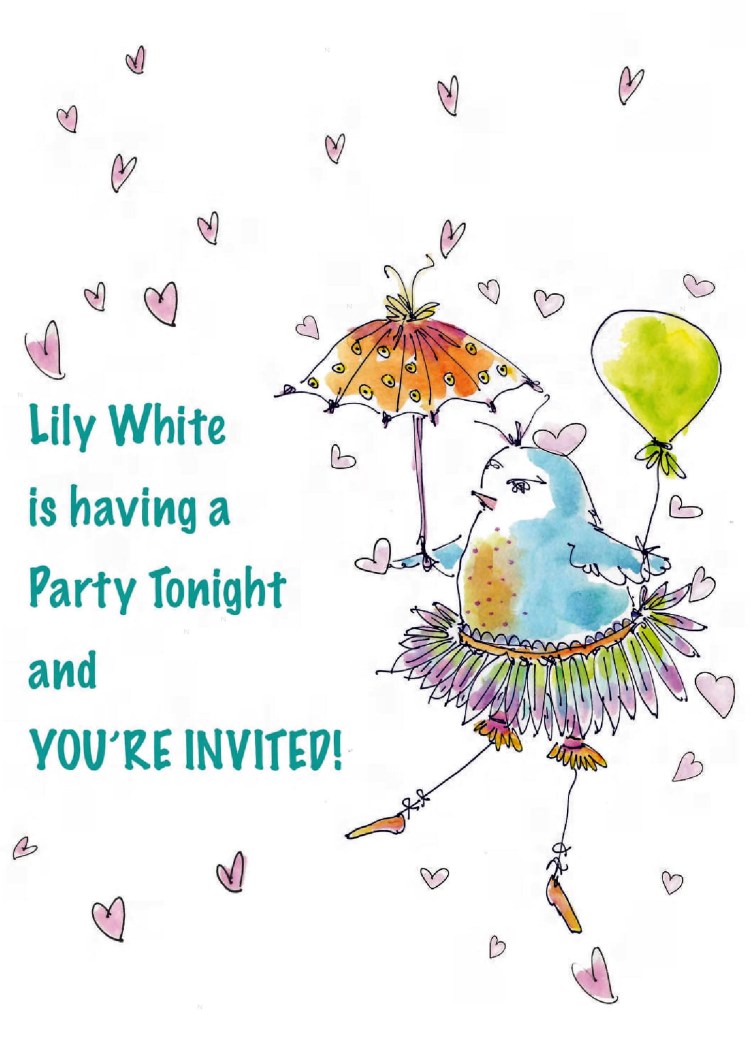
USA, 1887—of a child: to go to bed—‘Lilywhite’ refers to the whiteness of the bedsheets—from ‘lily-white’, meaning ‘white as a lily’, hence ‘of a pure white’
Read More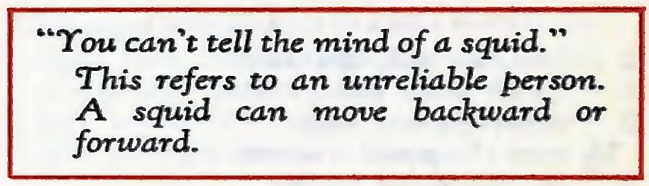
Newfoundland, 1958—used of someone or something that is unreliable—refers to the fact that a squid moves backwards and forwards
Read More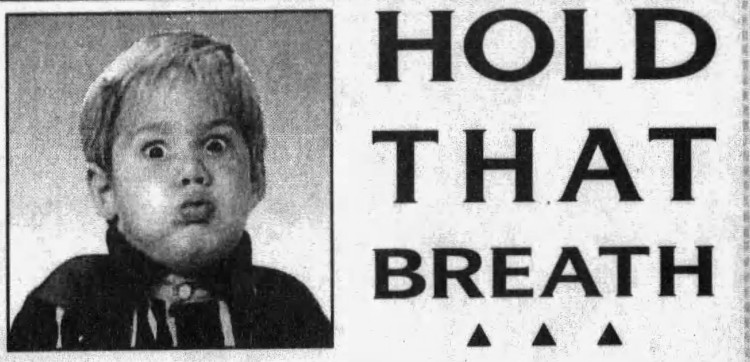
don’t wait in anxious anticipation—USA, 1854—the image is of somebody holding their breath when anxious or excited about something
Read More
used ironically of something regarded as prosaic or even thoroughly vulgar—USA, 1869—‘romance’: romantic love idealised for its purity or beauty
Read More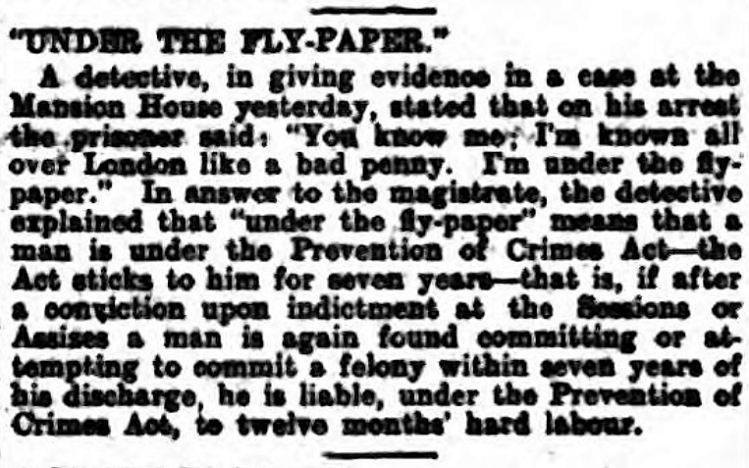
UK slang, 1906—‘Flypaper Act’: the Prevention of Crimes Act—‘to be under, or on, the flypaper’: to be subject to the Prevention of Crimes Act
Read More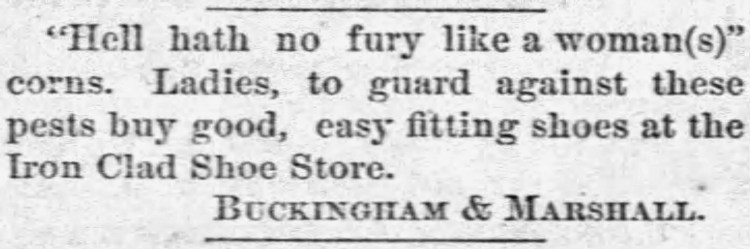
Ireland, 1845: ‘hell has no fury like a woman corned’—puns on ‘hell hath no fury like a woman scorned’, which refers to Congreve’s ‘The Mourning Bride’ (1697)
Read MoreUK, 1918—popular among British soldiers during WWI—satirises “the squire has been foully murdered”, a topos from late-Victorian and Edwardian melodrama
Read More
gained currency from its use by Magnus Magnusson on the BBC-Television quiz programme ‘Mastermind’, which he presented from its creation in 1972 until 1997
Read More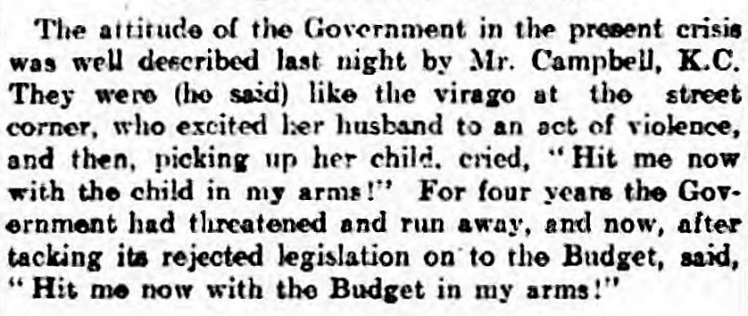
Irish-English phrase—first recorded in 1892—used to express pretended fear of, and/or provocation to, a physical attack
Read More word histories