the legendary origin of ‘a Roland for an Oliver’

meaning: ‘tit for tat’—Oliver was a full match for his comrade Roland, the legendary nephew of Charlemagne in ‘La Chanson de Roland’ and other romances
Read More
“ad fontes!”
meaning: ‘tit for tat’—Oliver was a full match for his comrade Roland, the legendary nephew of Charlemagne in ‘La Chanson de Roland’ and other romances
Read More‘blanket’: from Old-Northern-French and Anglo-Norman forms such as ‘blankete’ (white woollen material), composed of ‘blanc’ (white) and the diminutive suffix ‘-ette’
Read More
The spelling ‘ache’ (erroneously derived from Greek ‘ákhos’) instead of ‘ake’ is largely due to Samuel Johnson in A Dictionary of the English Language (1755).
Read More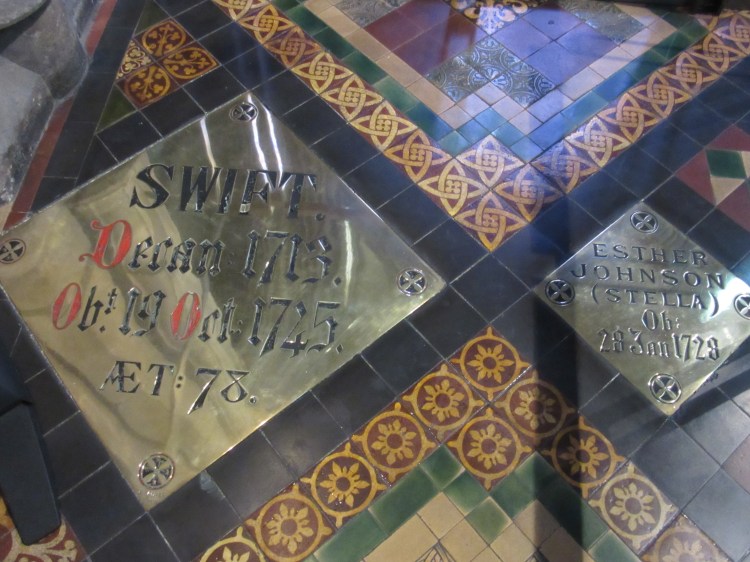
1711 in a letter by Jonathan Swift—perhaps from Ecclesiastes, 10:20: “a bird of the air shall carry the voice; and that which hath wings, shall tell the matter”
Read More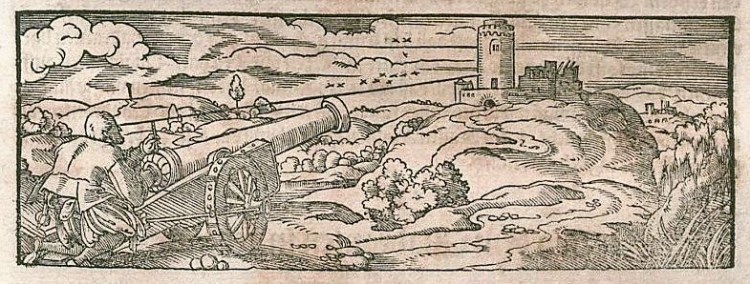
1571—probably from obsolete French ‘de pointe en blanc’, used of firing into empty space for the purpose of seeing how far a piece of artillery would carry
Read More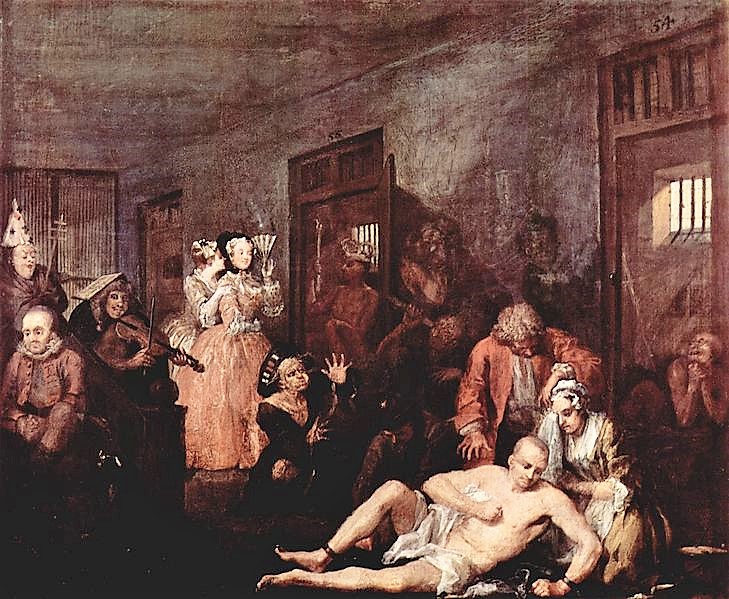
late Middle English—early form of ‘Bethlehem’, originally referring to the Hospital of St. Mary of Bethlehem in London, used as an institution for the insane
Read More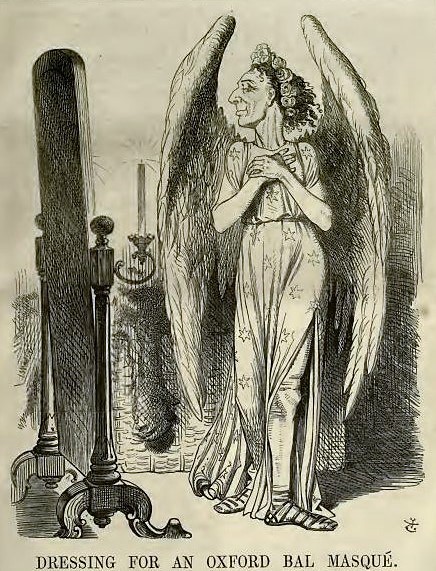
‘on the righteous side’—originally used in 1864 by Benjamin Disraeli to contrast the theory of evolution with the theory of the divine creation of humankind
Read More
The obsolete phrase ‘to lead apes in hell’ expresses the fancied consequence of dying a spinster. Its first know user was George Gascoigne in 1573.
Read More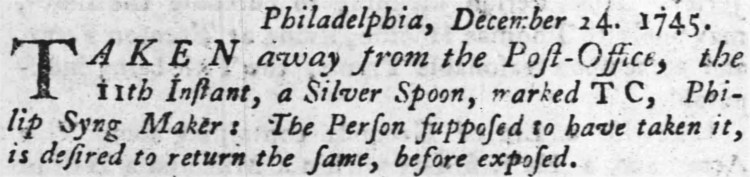
alludes to the gift of a spoon to a child at its christening—1762 as ‘one man is born with a silver spoon in his mouth, and another with a wooden ladle’
Read MoreThe word ‘oxymoron’ has the property it denotes: it is from Greek ‘oxús’, meaning ‘sharp’, ‘acute’, and ‘mōrόs’, meaning ‘dull’, ‘stupid’.
Read More word histories