a Pepysian phrase: ‘and so to bed’
phrase popularised by its frequent use in the diary (1659-69) of Samuel Pepys (1633-1703)—not peculiar to him, however, as it was used for example by Philip Massinger in 1624
Read More
“ad fontes!”
phrase popularised by its frequent use in the diary (1659-69) of Samuel Pepys (1633-1703)—not peculiar to him, however, as it was used for example by Philip Massinger in 1624
Read Moredenotes a holiday spent at home or in one’s country of residence—USA, 1944—a blend of ‘stay’ and ‘vacation’
Read MoreUSA, 1947—a mild insult perhaps alluding to impecuniousness—seems to have originated amongst teenagers and young adults
Read MoreUK, early 18th century—addressed to one who, saying ‘coming!’ (i.e., ‘in a minute’), takes a long time to arrive—used by extension of anything that is being delayed
Read Moreuncontrollable or obsessive passion—French phrase introduced in the 1960s as a theme of drama, prose narrative and cinema
Read More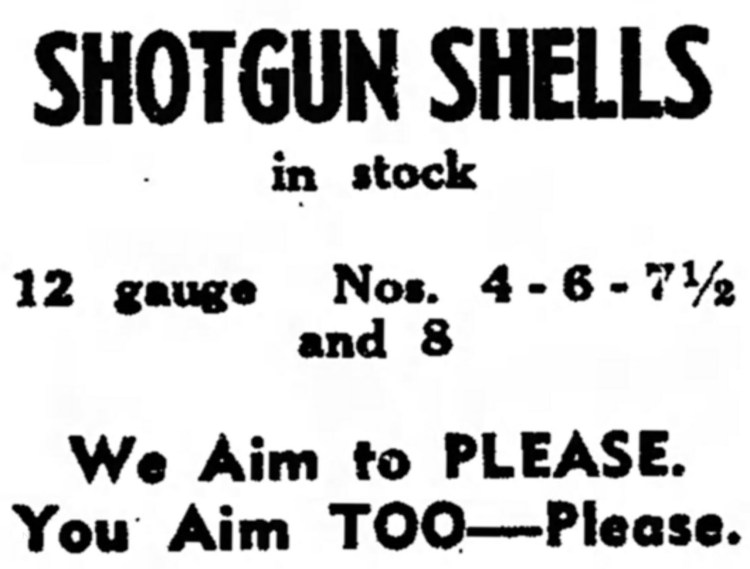
‘we aim to please’ (1817): originally chiefly used as a commercial slogan meaning ‘our customers’ satisfaction is our goal’—extended form ‘we aim to please; you aim too, please’ (1941): used in a variety of contexts
Read More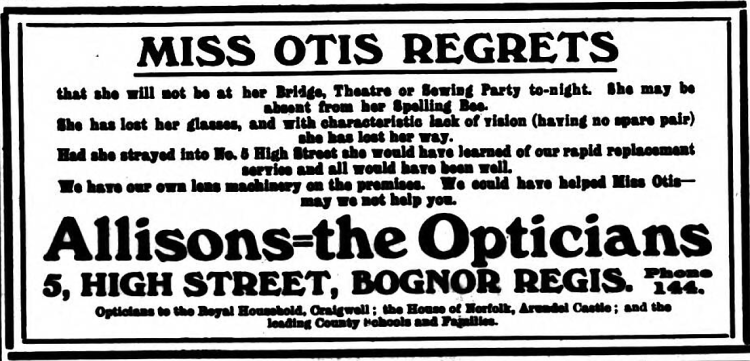
UK 1934 – USA 1935—alludes to a sardonic song by Cole Porter, about the lynching of an upper-class woman after she murders her unfaithful lover
Read More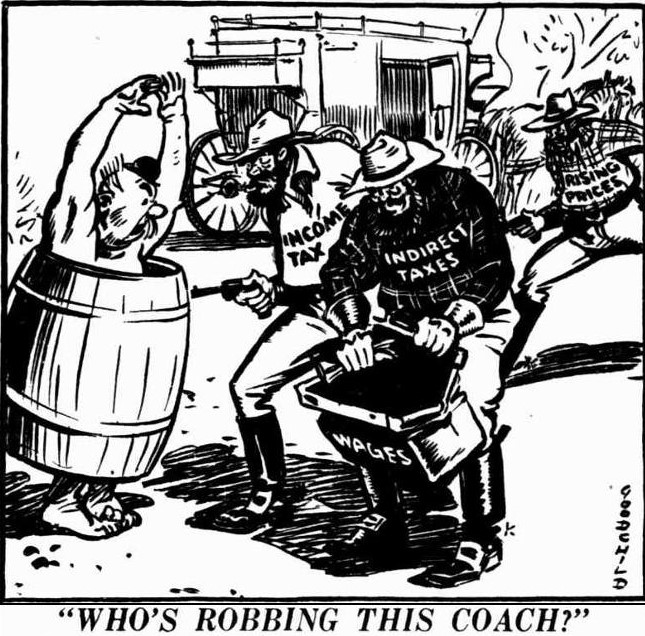
USA and Australia respectively—from a joke about robbers threatening to kiss every woman on the train/coach: when a gentleman asks them not to, a lady protests ‘who’s robbing this train/coach?’
Read More
USA, 1830—used in association with ‘see’, ‘said the blind man’ puns on this verb’s primary meaning (‘to perceive with the eyes’) and secondary meanings (‘to understand’, ‘to find out’, ‘to examine’)
Read More
a deliberate malapropism punning on ‘I resent that remark’—USA, 1940
Read More word histories