USA, 1976—the outcome of a situation cannot be assumed—may allude to the stereotype of a large female soprano singing the final aria of an opera—from ‘church ain’t out ’till the fat lady sings’ (1976), itself from ‘church ain’t out until the singing is over’ (1872)
USA, 1872—the first clause refers to accurate calculations, the second punningly refers to the manipulation of those calculations—based on the figure called chiasmus, i.e., in which the order of words in the first clause is inverted in the second
a representation of the letter A in scarlet cloth which Hester Prynne is condemned to wear in The Scarlet Letter (1850), by Nathaniel Hawthorne—soon came to be used figuratively in the sense of a stigma, a mark of infamy
This phrase is applied to someone who is very strong and resilient in the face of hardship or pain. It originated in the USA in 1918; it has been used in British English since 1933.
the name of a decree issued in Nazi Germany in December 1941, under which individuals suspected of resistance or other underground activities were arrested and deported suddenly and without trace, frequently during the night—by extension: any situation, event, etc., characterised by mystery, obscurity or secrecy
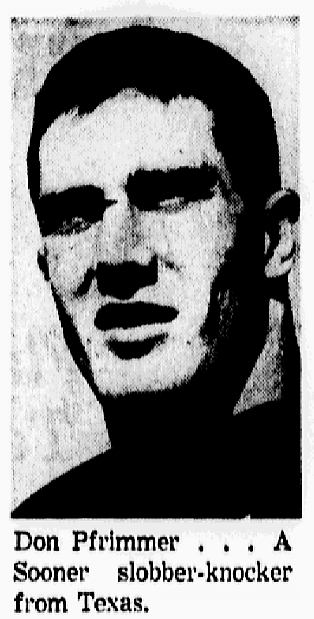
USA—‘slobberknocker’ (1967): an American-Football player with a particularly aggressive style of play—from ‘slobber-knock’ (1964): of an American-Football player, to hit with extreme force—the image is of knocking the slobber out of somebody
USA, 1937—to have or cultivate a particular image or reputation which has no basis in reality; to engage in empty talk—now often thought of as referring to Texans, but originally attributed to Native Americans
USA, 1990—a persistent or indefatigable person or phenomenon—refers to ‘Energizer Bunny’, the name of a battery-operated toy rabbit represented as never running out of energy, featured from 1988 in a television advertising campaign for batteries

 word histories