‘to put a bomb under (a person or thing)’: meaning and origin
to disrupt; to shake up; to rouse to action—USA, 1902
Read More
“ad fontes!”
to disrupt; to shake up; to rouse to action—USA, 1902
Read Moreof a vessel: to advance steadily under a favourable wind, without having to change tack or sail—UK, 1807, in reference to the voyage from the Cape of Good Hope to the remote South-Atlantic island of St. Helena
Read More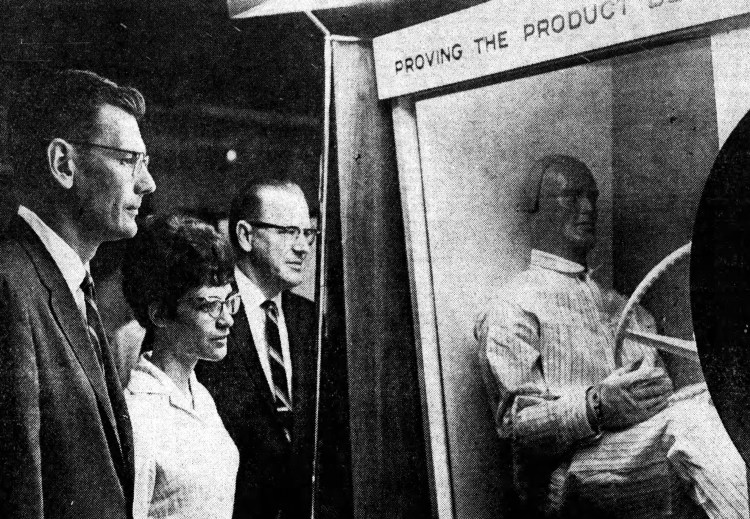
USA, 1955—a dummy used in vehicle safety tests to assess the effect of crashes, collisions, etc., on the driver and passengers of the vehicle—also, figuratively: a person or thing used as a test subject
Read More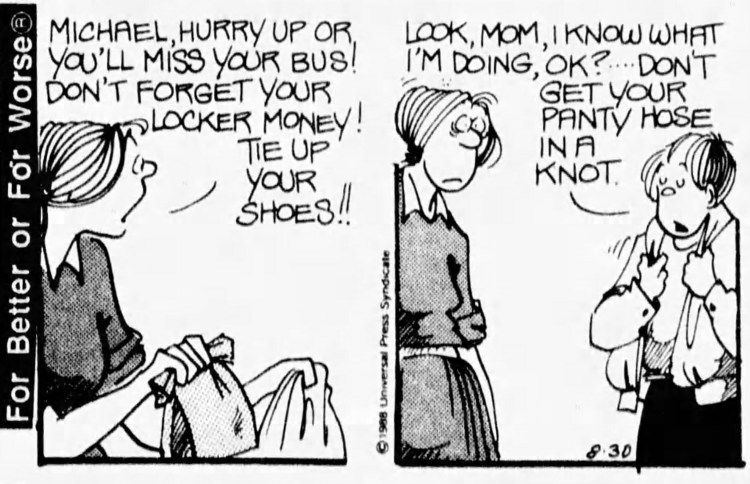
also ‘in a wad’, ‘in a knot’, etc.—to become unduly agitated or angry—the plural noun ‘panties’ refers to short underpants worn by women or girls—American English, 1975
Read MoreUK, 1839—jocular variant of ‘penny-a-liner’ (i.e., a journalist who was paid at the rate of a penny a line, a person who produced mediocre journalistic work) with the implication that such journalists fabricated falsehoods
Read Moremid-19th century—a small bonnet standing far back on the head, which was then fashionable—also occasionally in the extended form ‘kiss-me-quick, mother’s coming’
Read Morea Latin-American television soap opera—from American-Spanish ‘tele-’ (in ‘televisión’) and ‘novela’ (‘a novel’)—1959 in American Spanish, 1961 in American English
Read Morea drink made from black coffee and brandy, cognac or other liquor—‘royale’ means: first-rate—‘café royale’ (USA, 1882): probably a Frenchification of earlier ‘coffee royal’
Read MoreUSA, 1974, as ‘royale kir’—a drink made from champagne, or sparkling white wine, and crème de cassis—from ‘kir’ (a drink made from dry white wine and crème de cassis) and ‘royale’ (first-rate)
Read Morea person’s mouth—U.S. slang, 1983
Read More word histories