‘I wouldn’t piss on (a person) if (that person) were on fire’: meaning and origin
‘I feel intense dislike or contempt for (a person)’—USA, 1950—also occasionally used of miserliness
Read More
“ad fontes!”
‘I feel intense dislike or contempt for (a person)’—USA, 1950—also occasionally used of miserliness
Read More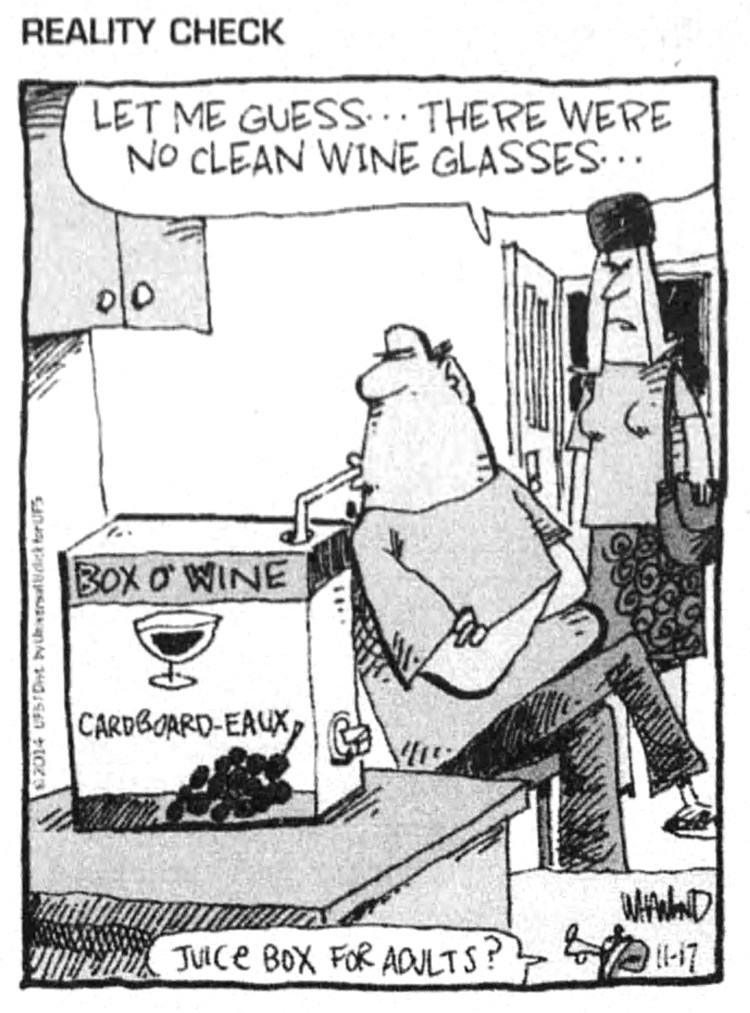
bag-in-box wine—USA, 2006—a blend of ‘cardboard’ (in reference to the outer packaging of bag-in-box wine) and of ‘Bordeaux’ (in reference to the wine made in the Bordeaux region of France)
Read MoreUSA, 1953: a base, despicable person—from ‘scumbag’ in the sense of ‘a condom’ (here, the noun ‘scum’ is slang for ‘semen’)
Read More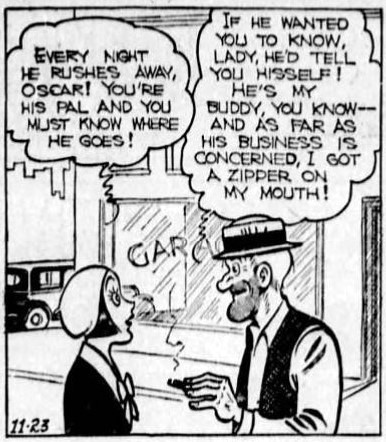
to make somebody stop talking, or to prevent somebody from talking—USA, 1930—refers to the noun ‘zipper’, designating a fastening device
Read More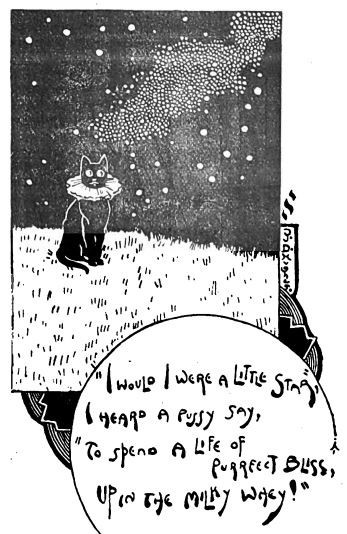
USA, 1876—perfect, especially in cat-related contexts—colloquial, humorous blend of ‘purr’ and ‘perfect’
Read Morehaving the lips tightly closed—hence, figuratively: uncommunicative, determinedly reticent—USA, 1942—refers to the noun ‘zip’, designating a fastening device
Read Morean easy target, i.e., a person who, or thing that, is defenceless against an attack or other danger—first used in 1936 & 1937 by the Canadian journalist Gordon Sinclair
Read Moreliterally (UK, 1803): of a firearm: equipped with a hair trigger—hence, figuratively (Ireland, 1853): reacting immediately to the slightest provocation or cause
Read MoreUK, 1851, as ‘haw-doovers’—humorous and colloquial alteration of ‘hors d’oeuvres’, plural of the noun ‘hors d’oeuvre’ (i.e.: an extra dish served as a relish to whet the appetite usually before the main meal)
Read MoreLSD (i.e., lysergic acid diethylamide); also other drugs—USA, 1968—alludes to the Beatles’ song ‘Strawberry Fields Forever’ (1967)
Read More
