‘hollow legs’: meaning and origin
USA, 1866—the capacity to eat or drink a lot without ill effects
Read More
“ad fontes!”
USA, 1866—the capacity to eat or drink a lot without ill effects
Read MoreUSA & UK, 1995—to take a pregnancy test of a type involving urinating on a disposable plastic stick which immediately indicates the result—also, more generally: to take any of various other diagnostic tests of this type
Read Moremore than one can count, a considerable amount or number—USA, 1808—probably refers to a stick that is used as a pointer in the process of counting
Read Morea person who believes that the planet Earth is flat—USA, 1896—earlier synonym: ‘flat-earth man’ (UK, 1872) applied to John Hampden (1819-1891)
Read Morea person exercising an insidious or corrupting influence, especially over a ruler, government, etc.—UK, 1917—refers to Grigori Efimovich Rasputin (circa 1869-1916), mystic and influential favourite at the court of Tsar Nicholas II
Read More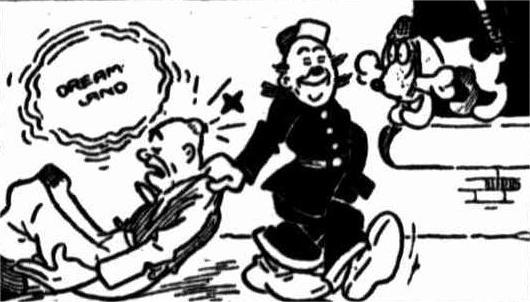
a police station—USA, 1882—here, the noun ‘cop’ designates a police officer and the noun ‘shop’ designates the place where one works
Read Morehaving a large or inexhaustible appetite for words—USA, 1858—coined by the U.S. physician and author Oliver Wendell Holmes (1809-1894)
Read Morewealth gained in one generation of a family will be lost by the third generation—USA, 1874—refers to a hard-working man wearing a shirt with nothing over it
Read More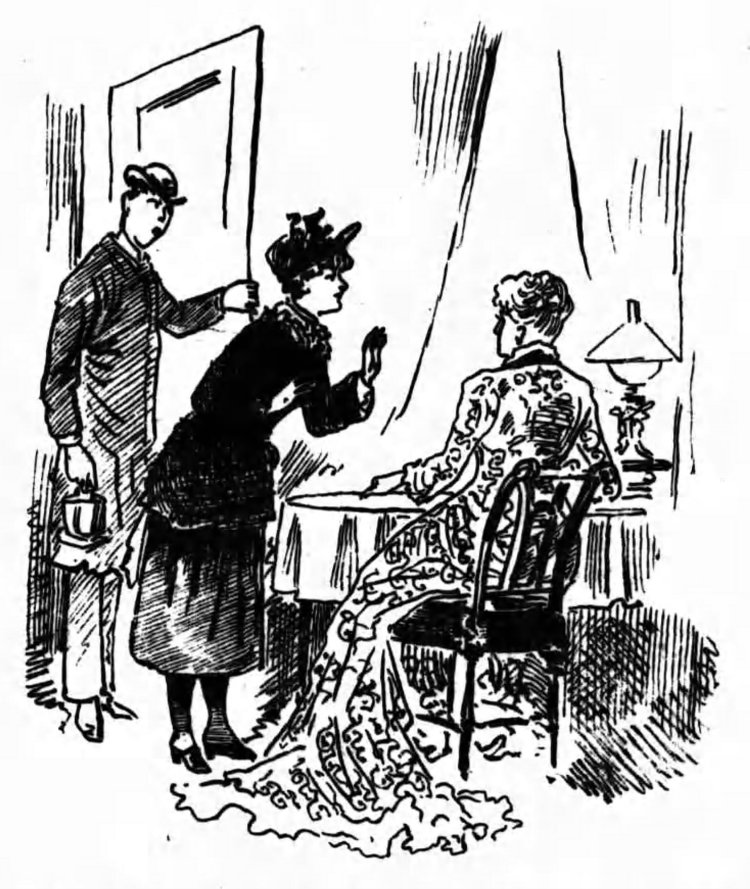
UK, 1869—a mechanised full-size model of a bull, simulating the movement and behaviour of a bull (particularly in a corrida), used in public entertainments
Read More1599—a person with whom one chats, a partner in informal or friendly conversation—now, more specifically: a person with whom one communicates via online chat or messaging
Read More word histories