‘baloney’ or ‘boloney’: ‘humbug’ and ‘nonsense’—USA, 1922—American-English alteration of ‘bologna (sausage)’, a large smoked sausage made of seasoned mixed meats, from the name of Bologna, a city in northern Italy, where these sausages were first made
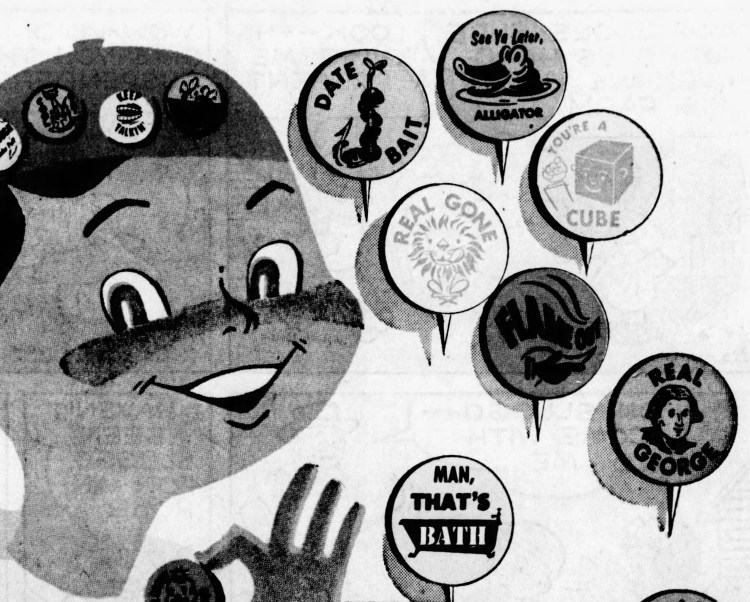
The colloquial see you later, alligator, which originated in American English, is a catchphrase used on parting. The expected response is in, or after, a while, crocodile. —Cf. also notes on ‘see you later, agitator’. The earliest instance of see you later, alligator that I have found is from Teenagers’ Slang Expressions Are Explained by […]
The name ‘Indian summer’ (late 18th century) reflected the fact that to the Europeans living in the New World, this was a newly-discovered local phenomenon. But similar phenomena were already known in the Old World by various names.
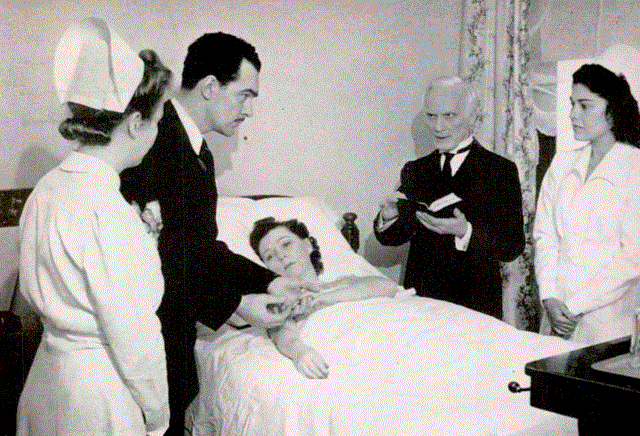
‘queen’s’, or ‘king’s’, ‘cushion’: a seat made by two people who cross arms and hold each other’s hands to form a support for another person—Scotland and northern England, 19th century
The original meaning of beer o’clock is 5 p.m. as the end of the working day. Its first known user was Stephen King (born 1947), American author of novels of horror and suspense.
19th century—The adverb ‘hands down’ originated in horse racing: a jockey who is winning comfortably is able to lower his hands and relax his hold on the reins.
‘Bombay’: alteration after the city’s name of ‘bummalo’, the name of the fish—‘duck’: common dishes were humorously called by the names of superior ones
US, 1938—‘soap’: from early sponsors of such radio serials, often soap manufacturers—‘opera’: from the scale of dramatic incident that happens in these programs


 word histories