The phrase ‘(to be left) to hold the baby’ originated in stock markets.
UK, 1872—alludes to a stranger’s accidental (as opposed to a parent’s legal) responsibility for an infant
Read More
“ad fontes!”
UK, 1872—alludes to a stranger’s accidental (as opposed to a parent’s legal) responsibility for an infant
Read More
(jocular) to become unduly agitated or angry—twisted clothing as a metaphor for mental confusion—UK, 1971, in the comic strip Andy Capp
Read MoreUK, 1920—to commit a blunder; to make a tactless or indiscreet remark—meaning obscure in some early uses
Read MoreUSA, 1979—acronym from ‘not in my back yard’—first used in ‘the Nimby syndrome’ with reference to the disposal of nuclear waste
Read More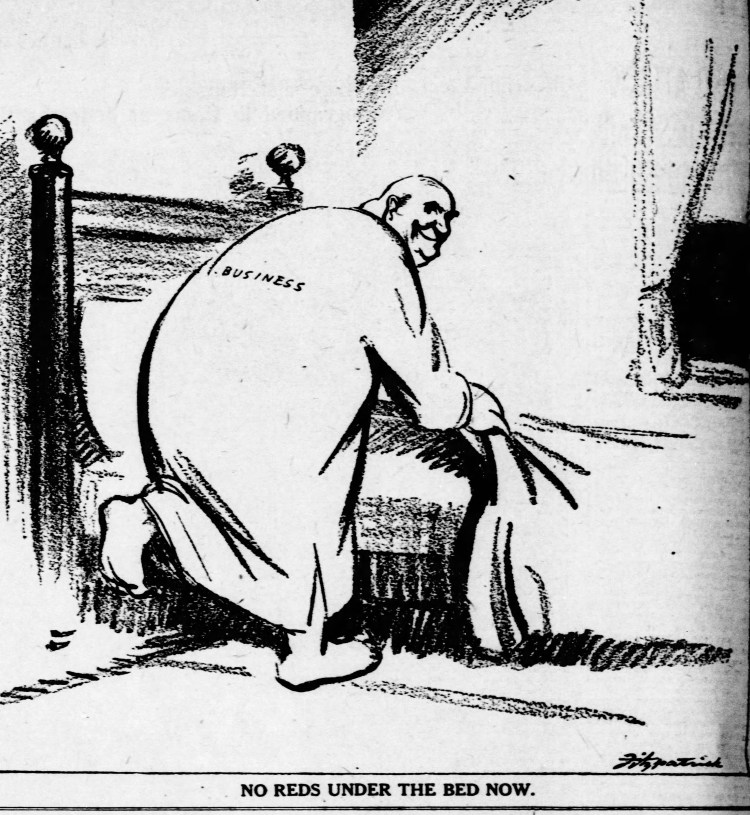
‘Reds under the bed’ and variants denoted an exaggerated or obsessive fear of the presence and harmful influence of communist sympathisers in a particular society, institution, etc. The earliest instance that I have found is from the Chicago Tribune of 28th September 1924.
Read MoreUK, 1891—‘to take the mickey (or ‘the mike’) out of’: ‘to tease or ridicule’—probably after ‘Mickey (or ‘Mike’) Bliss’, rhyming slang for ‘piss’
Read More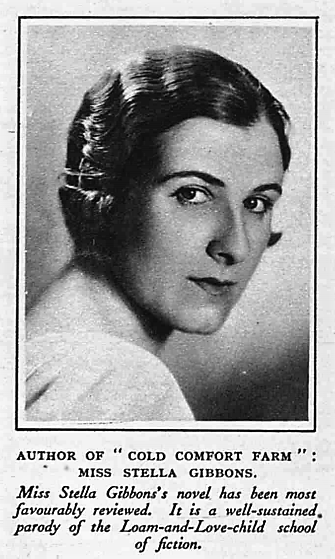
UK, 1930s—from Cold Comfort Farm (1932), by Stella Gibbons, in which a character exploits a traumatic childhood experience to exert control over her family
Read More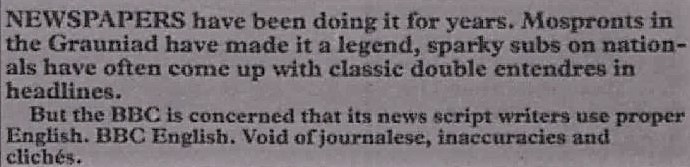
‘Grauniad’, the nickname for the Guardian, was reportedly given to this British newspaper by the magazine Private Eye because of its typesetting errors.
Read MoreThe expression ‘esprit d’escalier’, ‘wit of the staircase’, originally referred to a witty remark coming to mind on the stairs leading away from a gathering.
Read MoreThe noun gooseberry denotes a round edible yellowish-green or reddish berry with a thin translucent hairy skin and the thorny shrub which bears these berries. Attested in the first half of the 16th century, it is probably based on Middle-French forms such as grosselle and groiselle (Modern French groseille), perhaps altered because of an unexplained […]
Read More
