‘to come up with the rations’: meaning and origin
military slang, derisive—of military medals and decorations: to be awarded automatically, without regard to merit—coined during the First World War
Read More
“ad fontes!”
military slang, derisive—of military medals and decorations: to be awarded automatically, without regard to merit—coined during the First World War
Read MoreUSA, 1990—a persistent or indefatigable person or phenomenon—refers to ‘Energizer Bunny’, the name of a battery-operated toy rabbit represented as never running out of energy, featured from 1988 in a television advertising campaign for batteries
Read MoreSince the mid-20th century, with reference to garden tea parties, the phrase ‘cucumber sandwiches on the lawn’ and its variants have been used to characterise traditional Englishness.
Read Moremeans that, if one is unaware of an unpleasant fact or situation, one cannot be troubled by it—coined by the English poet Thomas Gray in An Ode on a Distant Prospect of Eton College, first published in 1747
Read MoreUK, 1918—a malediction, typically uttered as a parting shot after a quarrel—seems to have originated as one child’s threat to another—the reason the word ‘rabbit’ was chosen is unknown
Read MoreUK, 1785—has been used to address a red-haired person—sometimes followed by the retort ‘there’s enough water in yours to put it out’ and variants
Read MoreUSA, 1979—the children’s ability to pressurise their parents into buying something, or doing something for them, by continuing to ask for it until their parents agree to do it—originally referred to television advertising targeting children
Read More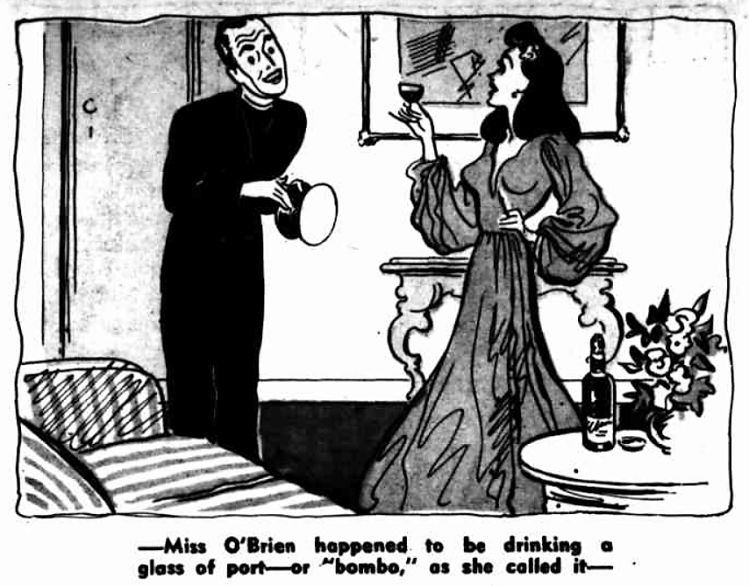
1941 in the sense ‘under the influence of alcohol’—aided by the phonetic similarity of ‘grip’ and ‘grape’, this phrase has, in the course of time, been coined on separate occasions by various persons, independently from one another
Read MoreBritish English, 1843—The theatrical phrase it will be (or it will come) all right at night (or all right on the night) means the opening night will go well.
Read Moreoriginated (1915) as the jocular beginning, destined to grip the reader’s attention, of a hypothetical novel or short story—soon (1919) came to be also used either without precise meaning or as a jocular exclamation
Read More
