UK, 1997—the title given to the official resident cat of the Prime Minister of the United Kingdom at 10 Downing Street, London—‘mouser’, first recorded circa 1440, denotes an animal that catches mice
Australia, 1909—(horseracing) a bet is sure to pay off; (in extended use) something is a very strong probability—from the notion that the punter is so confident of winning the bet that he is prepared to put the whole city of London on a horse to win a brick, i.e., a ten-pound note
a small component of a much larger structure, system or process; an insignificant individual within a large population or community—commonly associated with ‘Another Brick in the Wall’, the title of a three-part composition by the British band Pink Floyd in their 1979 rock opera ‘The Wall’, but has been used since 1867
UK, 1888—a person who interrupts at an inconvenient moment—alludes to a visitor from Porlock, in Somerset, England, who, according to Samuel Taylor Coleridge (1772-1834), interrupted him during the composition of ‘Kubla Kahn’
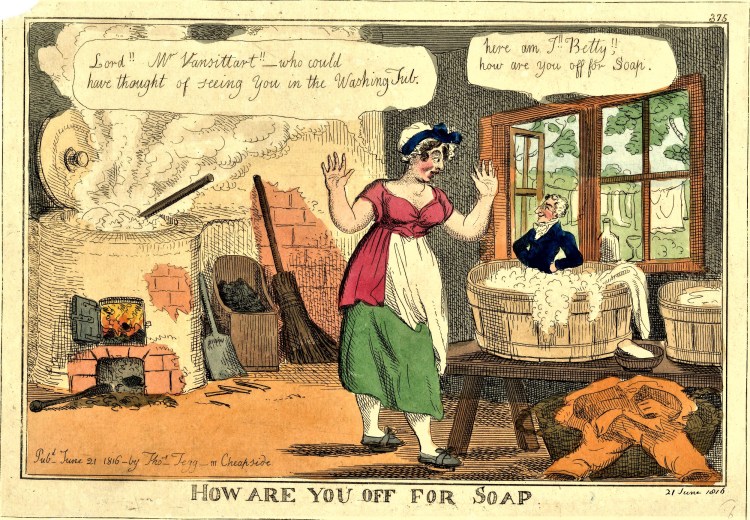
UK, 1816—a meaningless bantering phrase—originated in a print published in June, satirising the fact that a bill on additional taxation on soap had been brought in unobtrusively in May by the Chancellor of the Exchequer
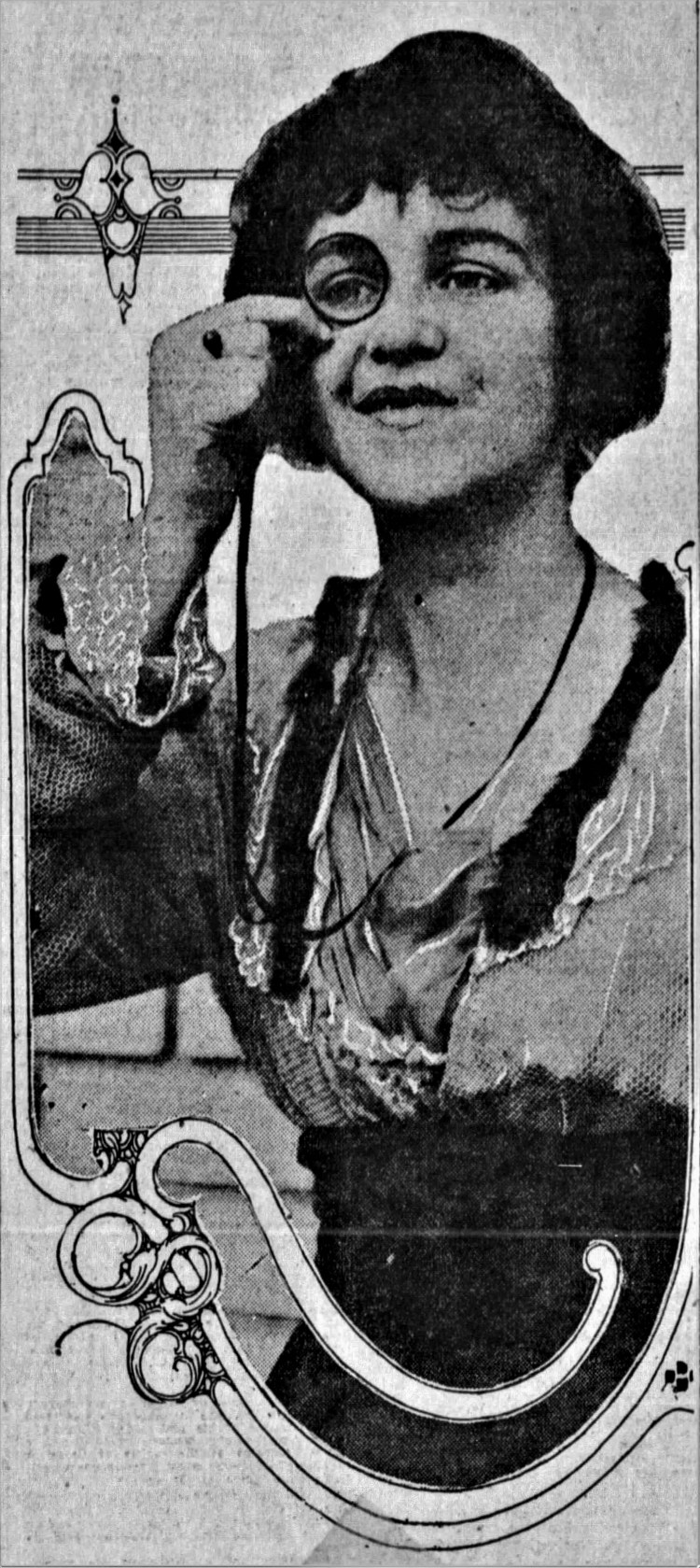
UK, 1897—‘Piccadilly window’: a monocle—hence ‘Piccadilly-windowed’: monocled—alludes to ‘Piccadilly’, the name of a street and of a circus (i.e., a rounded open space) in London
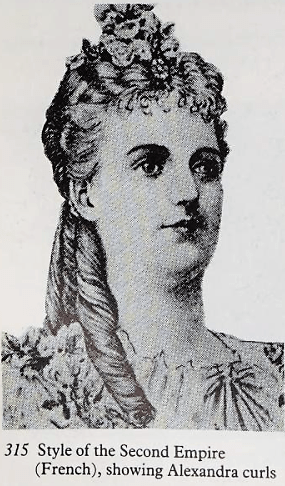
UK, 1869—a limping gait affected by some members of fashionable society in imitation of Alexandra of Denmark, who developed a limp after contracting rheumatic fever in 1867—‘Alexandra’ was used to form compounds designating things popularised by, or associated with, Alexandra of Denmark, consort of Edward VII
UK, 1933—a jump made with a parachute—hence also the verbal noun ‘brolly-hopping’ and the verb ‘brolly-hop’—‘brolly’ (university slang, late 19th century): a clipped and altered form of ‘umbrella’
UK—2008 ‘fatberg’, after ‘iceberg’: a large mass of fat and waste material in a sewerage system—originally a large lump of congealed cooking fat washed up on a beach—2019 ‘concreteberg’, after ‘fatberg’: a large mass of concrete in a sewerage system, consisting of cement that has been poured down a drain
1762—(especially of an ancient style of writing): having alternate lines written from left to right and from right to left—from the Greek adverb ‘βουστροφηδόν’, meaning literally ‘as an ox turns (in ploughing)’, with allusion to the course of the plough in successive furrows