origin and sense development of Anglo-Irish ‘bejesus’
1825, Anglo-Irish alteration of ‘by Jesus’—1867 as one word—‘the bejesus out of’ (1931) intensifies the action conveyed by the preceding verb
Read More
“ad fontes!”
1825, Anglo-Irish alteration of ‘by Jesus’—1867 as one word—‘the bejesus out of’ (1931) intensifies the action conveyed by the preceding verb
Read More1961—to be all talk and no action—originally without the negative determiner ‘no’—refers to verbal and sexual arrogance
Read More
a view on the manner in which catchphrases created by comedians and advertising gain currency
Read MoreUK, 1837—something intended, but failing, to impress—if damp, a squib [a small firework] will fail to work
Read More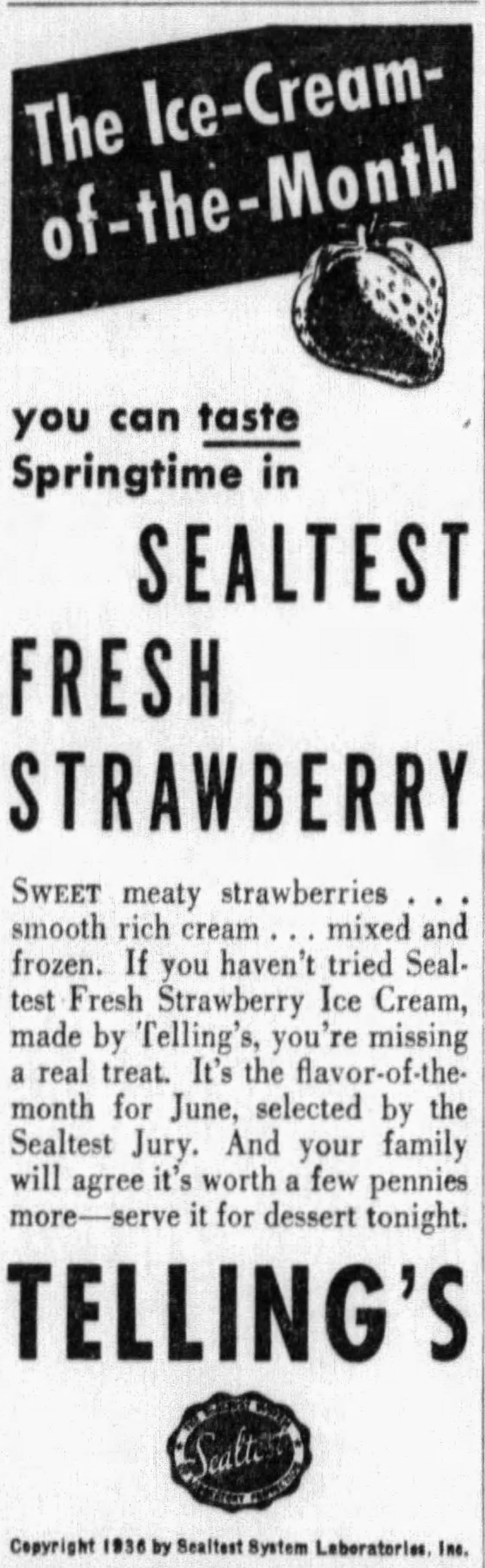
UK, 1967—person or thing that enjoys a short period of great popularity—the particular ice-cream flavour promoted during a month/week
Read More
to be sensible and intelligent—1784 in a US publication, but attributed to “a gentleman from abroad”—‘blue’, meaningless fanciful intensive, sometimes before ‘beans’
Read MoreUK, 1789—aided by alliteration, arose from a long-established figurative use of ‘brass’, sometimes in association with ‘bold’
Read More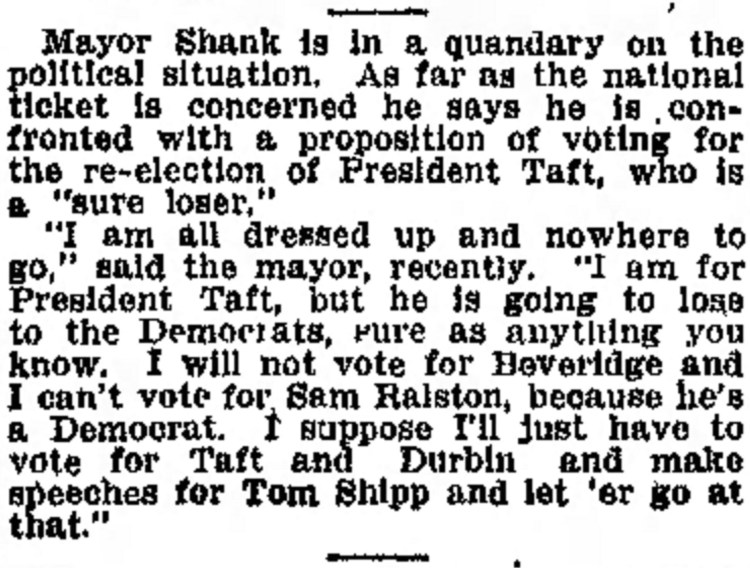
USA, 1910—originated as a line in the musical comedy The Girl of My Dreams—allegedly coined by music-hall artist Nita Allen
Read More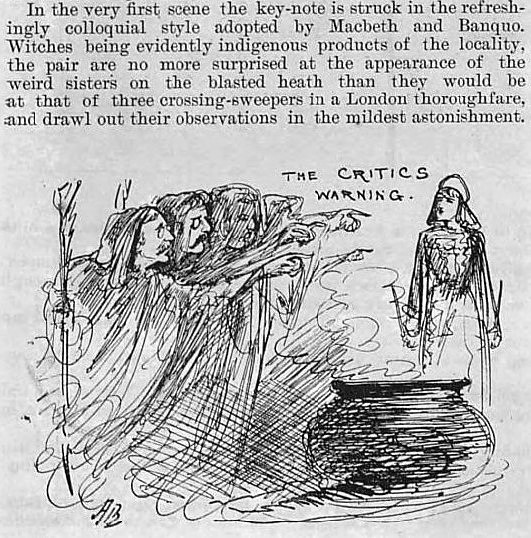
early 20th century—according to theatrical superstition, ‘Macbeth’ is a very unlucky play—the origin of this belief is unknown
Read More‘(just) what the doctor ordered’: very beneficial or desirable under the circumstances—origin: USA, second half of the 19th century
Read More word histories