origin and meanings of ‘Ruritania’ and ‘Ruritanian’
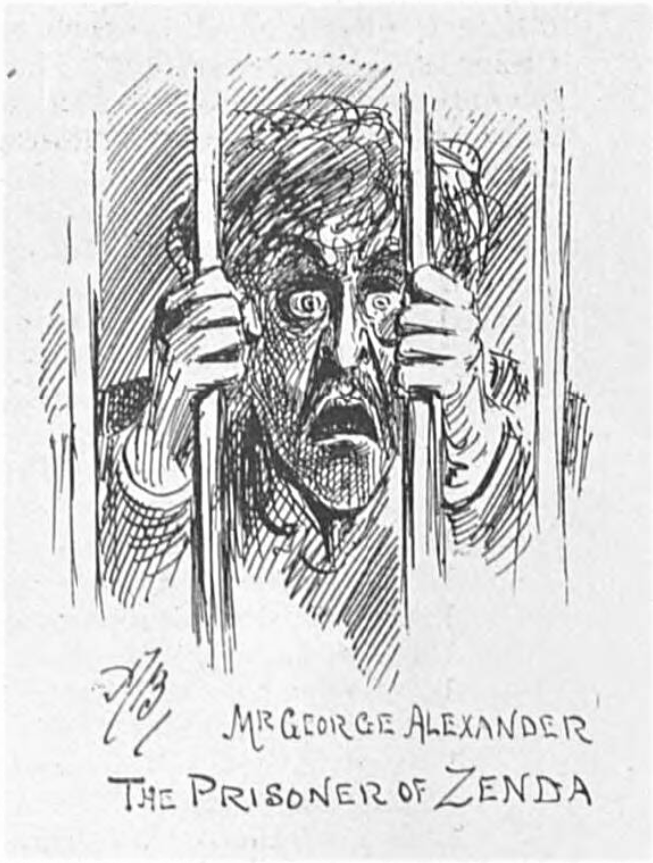
from The Prisoner of Zenda (1894), set in the fictional kingdom of Ruritania—UK, 1896: romantic adventure and intrigue; any imaginary or hypothetical country
Read More
“ad fontes!”
from The Prisoner of Zenda (1894), set in the fictional kingdom of Ruritania—UK, 1896: romantic adventure and intrigue; any imaginary or hypothetical country
Read MoreUSA, 1895—a sense of pervasive and shared disappointment—alludes to the defeat of the baseball team of Mudville, a fictional town in E. L. Thayer’s 1888 poem ‘Casey at the Bat’
Read More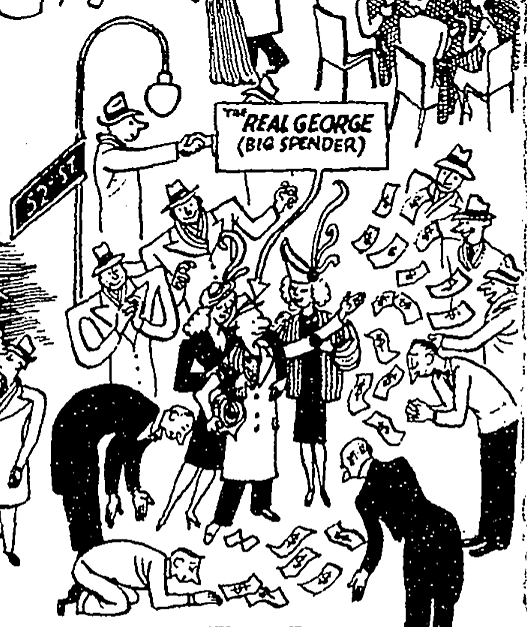
1950, Broadway slang, pejorative—a wealthy man who, in return for their company, lavished money on showbusiness people and those mixing with them
Read More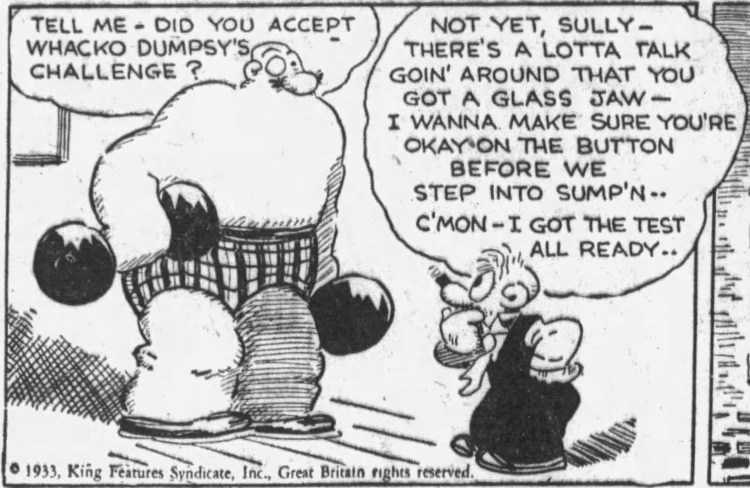
USA—1904 (boxing) a weak jaw that is easily broken—1914 (allegorical) preceded by the adjective ‘moral’—1931 (figurative) a vulnerable point—synonym: ‘china chin’
Read More
something extra that makes a good thing even better—USA 1889 with ‘frosting’, 1896 with ‘icing’—refers to a sugar preparation for coating and decorating cakes
Read More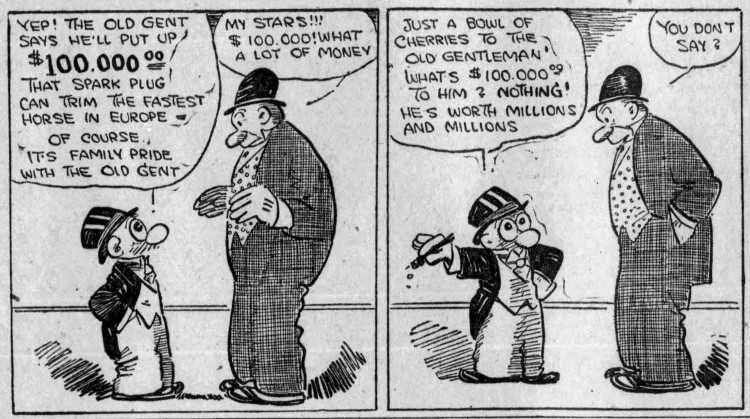
USA 1931—a highly enjoyable situation or experience—from ‘life is just a bowl of cherries’ 1928—popularised by song ‘Life Is Just a Bowl of Cherries’ 1931
Read More
Australia and New Zealand 1913—alludes to horse racing, in which a horse wins a race by being the first to pass the finishing post
Read More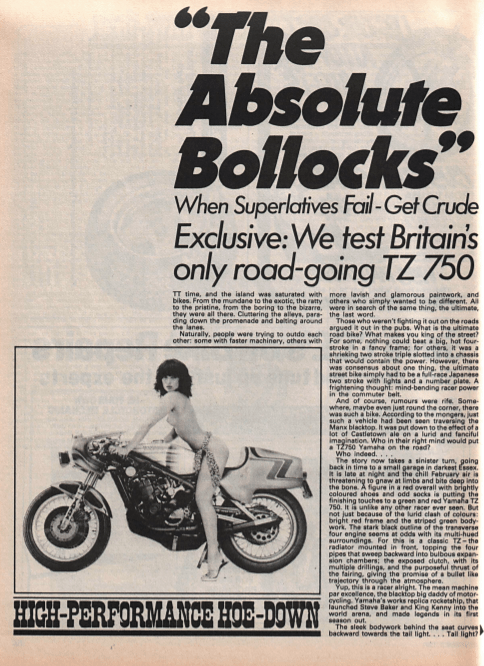
UK, 1980s—the very best—perhaps from ‘it sticks out like a dog’s ballocks’, denoting something obvious, hence someone or something that sticks out from the rest
Read MoreUK, 1915—to be lavish in one’s celebrations or spending—Army and Navy slang: to buy a round of drinks—’a boat’ might be metaphorical for ‘a glass’ (i.e., ‘a drink’)
Read More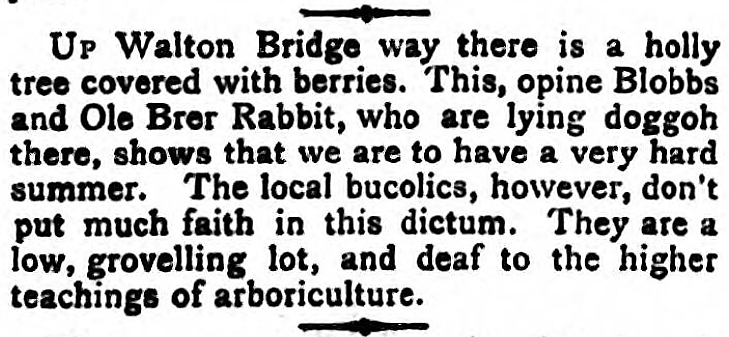
UK, 1882—to remain motionless and quiet; to keep a low profile—probably from ‘dog’ and suffix ‘-o’, with allusion to the characteristically light sleep of a dog
Read More word histories