‘great minds think alike’ | ‘les grands esprits se rencontrent’
English phrase (1728) preceded by ‘good wits jump’, i.e. ‘agree’ (1618)—French phrase (1775) preceded by ‘les beaux esprits se rencontrent’ (1686)
Read More
“ad fontes!”
English phrase (1728) preceded by ‘good wits jump’, i.e. ‘agree’ (1618)—French phrase (1775) preceded by ‘les beaux esprits se rencontrent’ (1686)
Read Moreto come to the point—in Shakespeare’s ‘Hamlet’, the title role urges an actor to go straight to Hecuba’s reaction to her husband’s killing
Read More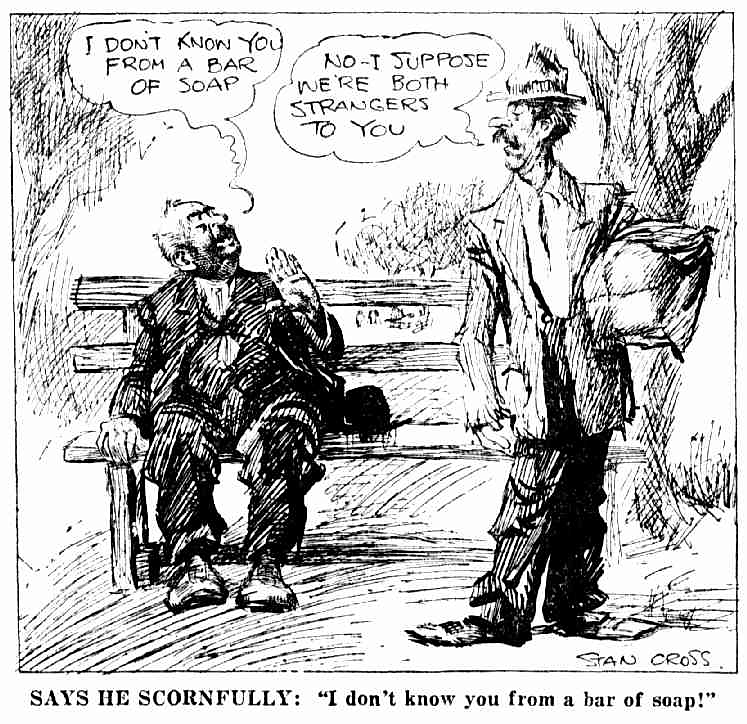
to be completely unacquainted with someone or something—most earliest uses (late 19th century) in U.S. publications, but a few in Australian publications
Read More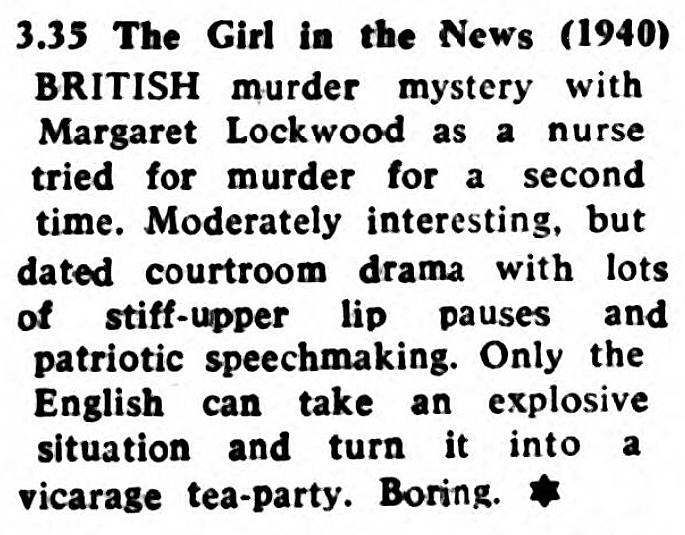
20th century—denotes something mild, innocuous or uneventful—but those notions have been associated with vicarage tea-parties since the 19th century
Read More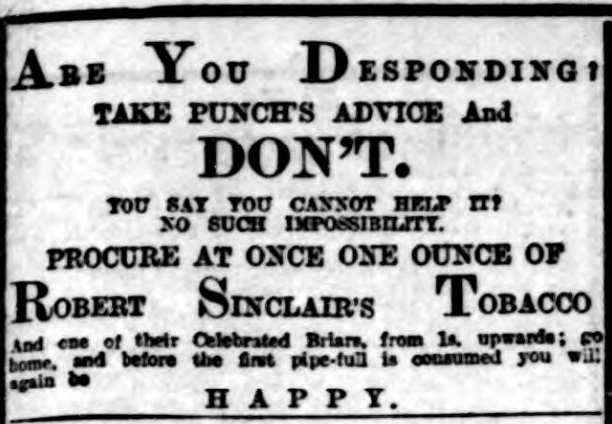
from “advice to persons about to marry—don’t”, published in ‘Punch’s Almanack for 1845’ (24 December 1844) by the magazine ‘Punch, or the London Charivari’
Read More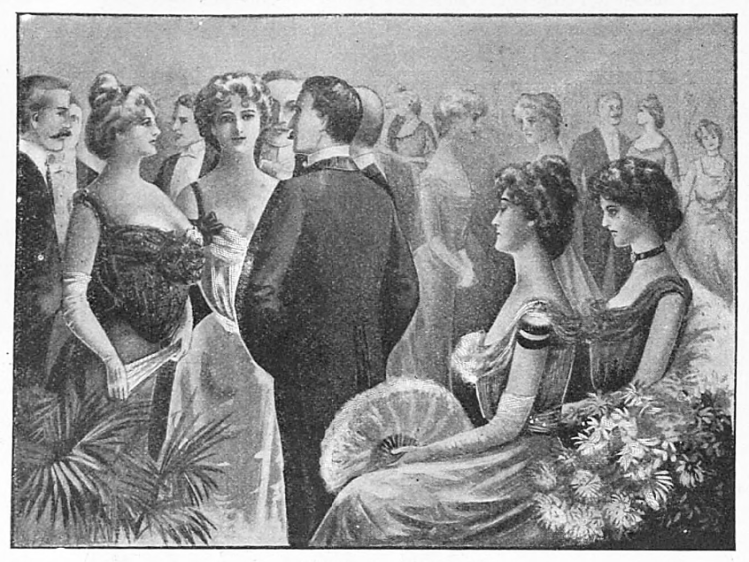
UK 1801 ‘wallflower’—France 1806 ‘faire tapisserie’ (= ‘to do tapestry’)—in both cases because the person keeps their seat at the side of a room during dancing
Read Moreeuphemistic jocular variant of ‘not bloody likely’—UK, 1914—from the sensation caused by the use of the expletive ‘bloody’ in George Bernard Shaw’s ‘Pygmalion’
Read More
chat-up line—from ‘Tell me, pretty maiden (I must love some one)’, a song of the musical comedy ‘Florodora’, produced in Britain in 1899 and in the USA in 1900
Read Morea break with traditional values—at a performance of Anthony and Cleopatra, a Victorian lady allegedly contrasted Queen Victoria’s homelife to Cleopatra’s
Read More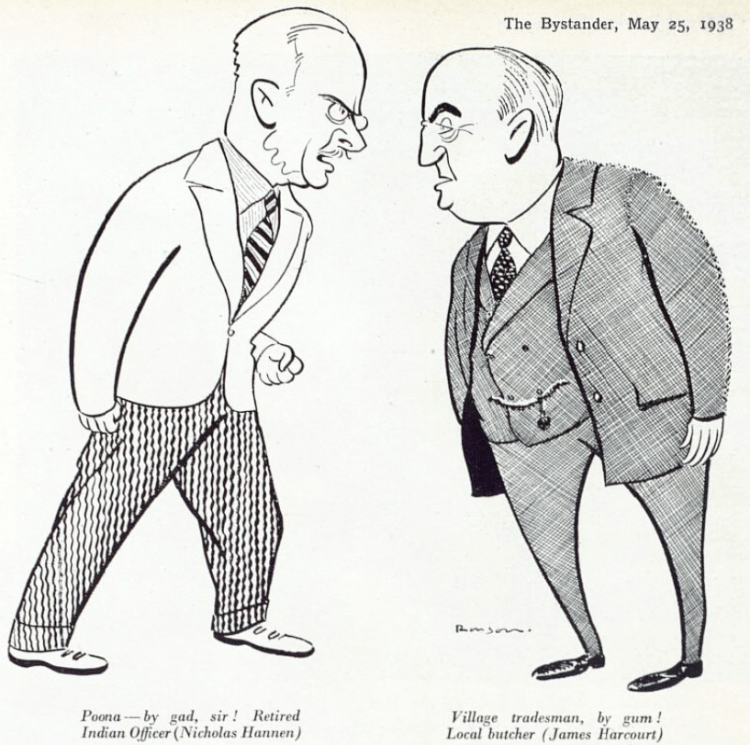
UK, 1930s—the reactionary opinions and pompous manner of the army officers who had been stationed at Poona, a military and administrative centre in India
Read More word histories