notes on the British phrase ‘some mothers do have ’em’

1941—expresses exasperation or derision at a clumsy, erratic or idiotic person—popularised by Jimmy Clitheroe in his radio programme The Clitheroe Kid (1958-72)
Read More
“ad fontes!”
1941—expresses exasperation or derision at a clumsy, erratic or idiotic person—popularised by Jimmy Clitheroe in his radio programme The Clitheroe Kid (1958-72)
Read More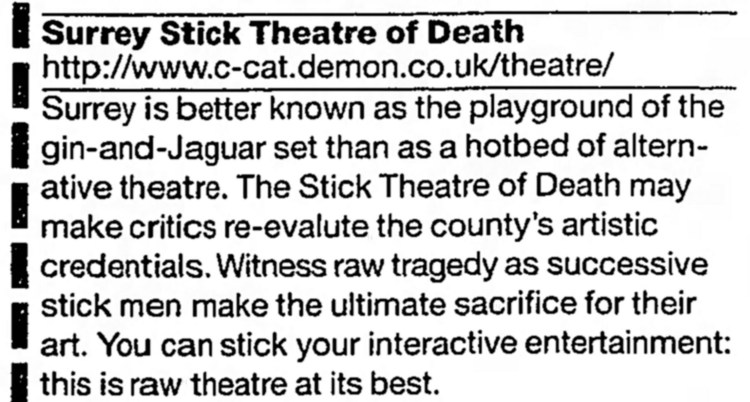
1963—refers to the wealthy English middle-class people, characterised as drinking gin and driving luxury cars such as Jaguars, and to the areas where they live
Read More
USA, 1990s—purveyor of doom, especially agent of death, force of suicide—refers to Jack Kevorkian (1928-2011), U.S. physician and advocate of assisted suicide
Read More
UK, 1985—the blue flashing lights and two-tone siren used on an emergency vehicle when responding to an incident; by extension, the emergency services
Read More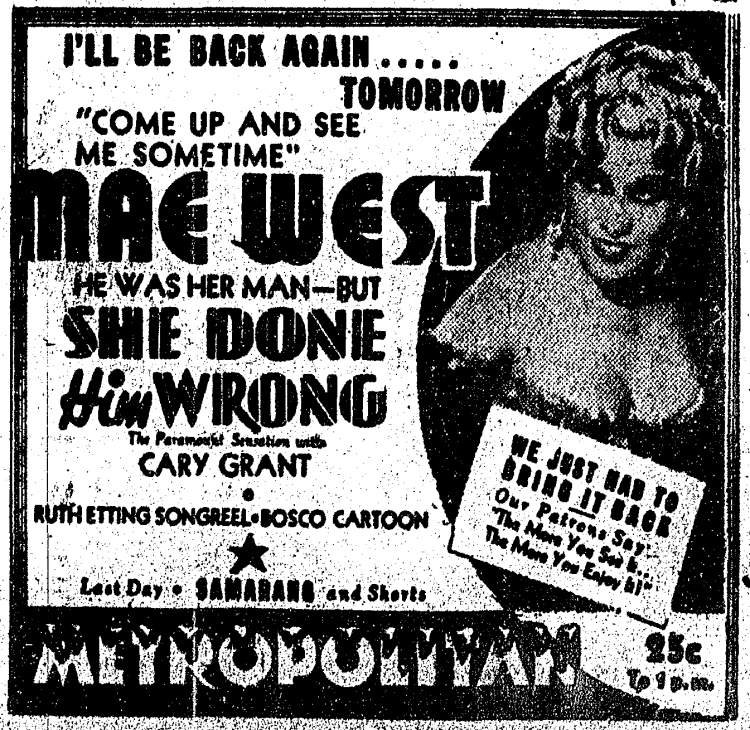
USA, 1933—a famous invitation to sexual dalliance—alteration of ‘come up sometime and see me’, uttered by Mae West in the 1933 film ‘She Done Him Wrong’
Read More
USA 2005—a pessimistic or negative person—popularised, if not introduced, by the character of Debbie Downer in the U.S. television variety series Saturday Night Live
Read Morewomen regarded collectively as objects of sexual desire; sexual intercourse—first recorded in ‘The Gilt Kid’ (1936), by James Curtis (Geoffrey Basil Maiden)
Read MoreUK 2006—to play recherché music on a jukebox with the intent of irritating pub customers—attributed to Carl Neville in reference to Robert Wyatt’s ‘Dondestan’
Read More
‘cheese-eating surrender monkeys’: the French people (USA, 1995) from The Simpsons—‘tea-drinking surrender monkeys’: the British people (Ireland, 2004)
Read More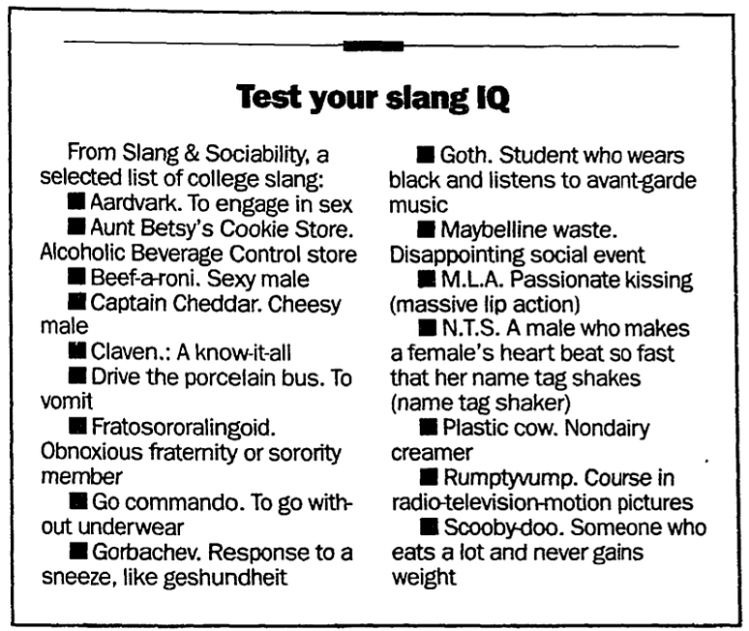
USA, 1974—to wear no underpants—originated in university slang—perhaps because commandos wear no underpants in order to prevent crotch rot and rashes
Read More word histories