‘to talk a glass eye to sleep’: meanings and early occurrences
applied either to a wearisome talker or to a persuasive talker—first occurs in the latter sense and in connection with boxing: Australia 1952, UK 1954
Read More
“ad fontes!”
applied either to a wearisome talker or to a persuasive talker—first occurs in the latter sense and in connection with boxing: Australia 1952, UK 1954
Read Morea person regarded as good-natured but also not ‘bright’ intellectually—UK, 1981—Australia, 1982—USA, 1986
Read More
a retort to ‘what’s on at the pictures?’—USA, 1924—with pun on ‘to mix cement’, refers to U.S. film actor Tom Mix
Read More
fine—USA, 1950—probably coined by comedian Jerry Lester on the late-night television variety series Broadway Open House, telecast from 29 May 1950 onwards
Read More
gained currency from its use by Magnus Magnusson on the BBC-Television quiz programme ‘Mastermind’, which he presented from its creation in 1972 until 1997
Read More
used of a person whose display of distress misleads others into underestimating this distress—UK, 1962—from ‘Not Waving but Drowning’ (1954), by Stevie Smith
Read Moreto have no idea at all—Scotland, 1990—‘scooby’ (short for ‘Scooby Doo’, name of cartoon dog in U.S. television series and films): rhyming slang for ‘clue’
Read More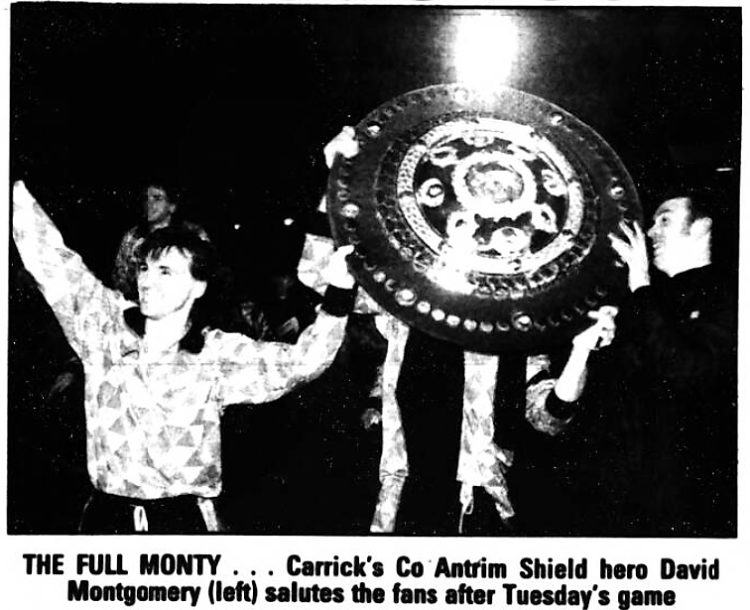
used to mean ‘everything which is necessary, appropriate or possible’, sometimes with punning reference to the British comedy group ‘Monty Python’
Read More‘upstairs to bed’—UK, 1923: title of a song by Nixon Grey—‘Bedfordshire’ jocular extension of ‘bed’ (1665)—‘the wooden hill’ metaphor for ‘the stairs’ (1856)
Read More2017-18: when confronted by nurses, both British Prime Minister and French President justified austerity policies by arguing that there is no magic money (tree)
Read More word histories