some reflections on ‘to Wyatt’
UK 2006—to play recherché music on a jukebox with the intent of irritating pub customers—attributed to Carl Neville in reference to Robert Wyatt’s ‘Dondestan’
Read More
“ad fontes!”
UK 2006—to play recherché music on a jukebox with the intent of irritating pub customers—attributed to Carl Neville in reference to Robert Wyatt’s ‘Dondestan’
Read MoreUK, 1988—used in similes to denote something that protrudes—originated in British military slang
Read More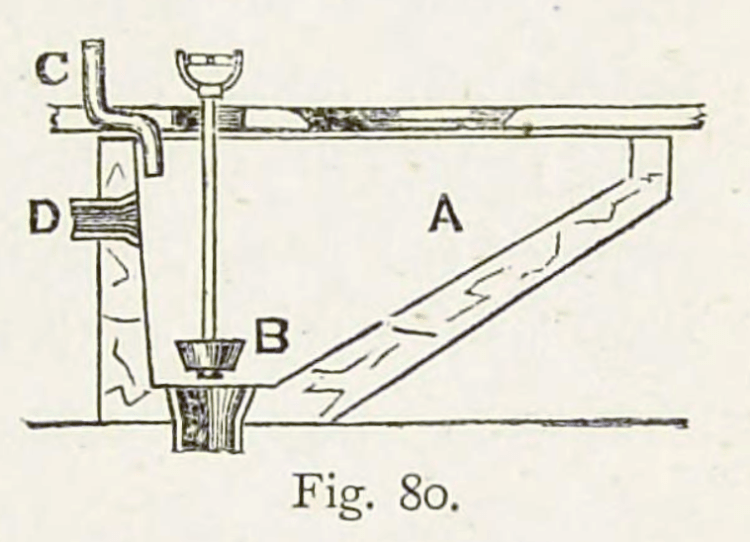
UK, 1950—to be completely lost or wasted; to fail utterly—alludes to ‘pan’ in the sense of the bowl of a toilet
Read Morenot originally coined because of the connotation of explosiveness, but because of the connotations of pleasure, beauty and tininess
Read More
USA, 1878—to misunderstand—alludes to an accidental connexion between telephone or telegraph wires of different lines or circuits
Read More
USA—blend of ‘screen’ and ‘teenager’—(1957) teenagers reacting to a movie—(1985) teenagers as represented by TV and cinema
Read MoreUK, 1948—USA, 1952—from the image of the over-cautious man who wears both a belt and braces/suspenders to hold up his trousers
Read Moreisolated use in The Fancies, Chast and Noble (1638), by John Ford—1795 as ‘to ride bodkin’—seems to allude to the thinness of the tools that have that name
Read MoreUSA, 1928—originally referred to scenario improvising during the silent-film era—the image is of notes written on a shirt-cuff
Read More
UK, 1992 (coined by Terence Blacker)—a novel depicting the lives and concerns of the British rural middle classes—from the association of Aga cookers with those classes
Read More word histories