the demand that an extraterrestrial makes to the first human being or animal it encounters after alighting from its flying saucer—USA, 1956—from a cliché in science-fiction stories
USA—used ironically as a response to a question or statement felt to be blatantly obvious—from 1959 onwards as ‘Does a bear live in the woods?’ and variants
UK, 1851—is or jokingly denotes a threat made by a member of the public to write to the London newspaper The Times to express outrage about a particular issue
far-fetched excuse for failing to hand in school homework—1st recorded UK 1929 but had already long been in usage at that time—dog eating a sermon UK 1894
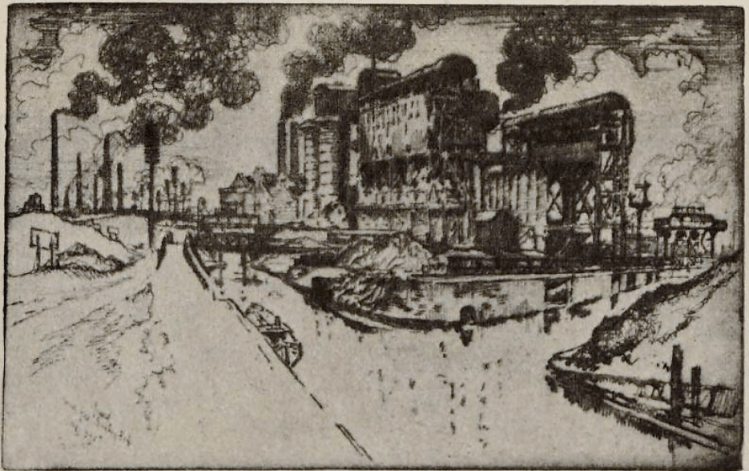
UK, 1913—industrial mills—working places characterised by dehumanising forms of labour—from ‘And did those feet in ancient time’, by the English poet William Blake
site of a nuclear power station accident (1986)—name associated with the end of the world in the Bible—epithet for Disneyland Paris, seen as a cultural disaster
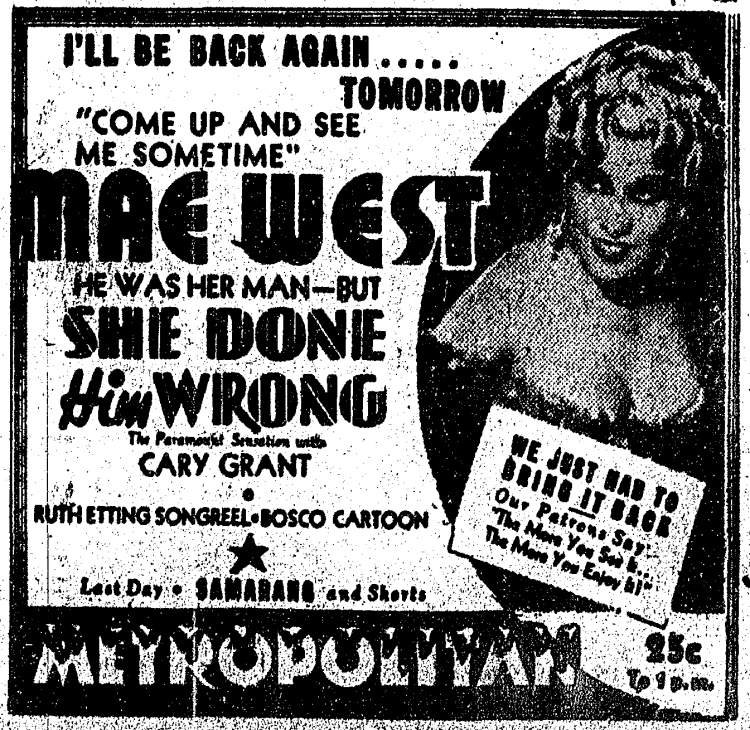
USA, 1933—a famous invitation to sexual dalliance—alteration of ‘come up sometime and see me’, uttered by Mae West in the 1933 film ‘She Done Him Wrong’




 word histories