origin of ‘when the going gets tough, the tough get(s) going’

USA, 1953—originally a motto adopted by football coaches—has often been used humorously with variation of the main clause
Read More
“ad fontes!”
USA, 1953—originally a motto adopted by football coaches—has often been used humorously with variation of the main clause
Read More1974—coined by the Irish journalist John Healy with reference to the Troubles in Northern Ireland
Read More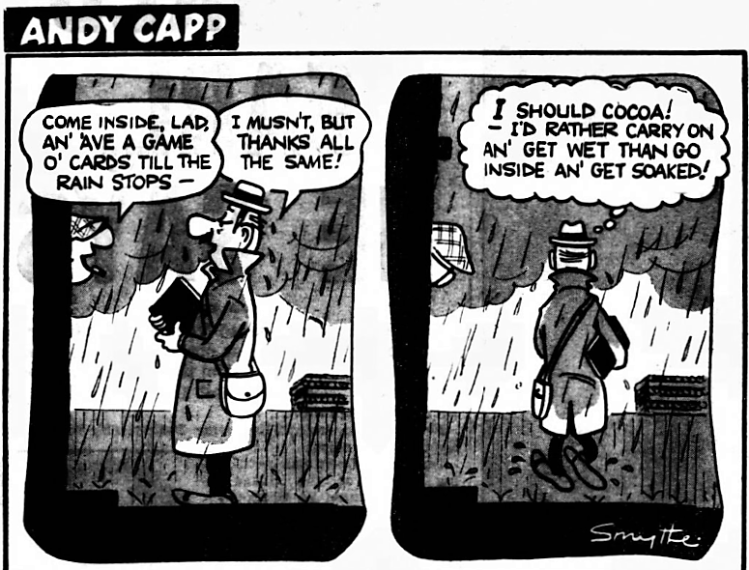
UK slang, 1936—emphatic agreement, though often ironical—‘cocoa’ is said to be rhyming slang for ‘so’ in ‘I should say so’
Read More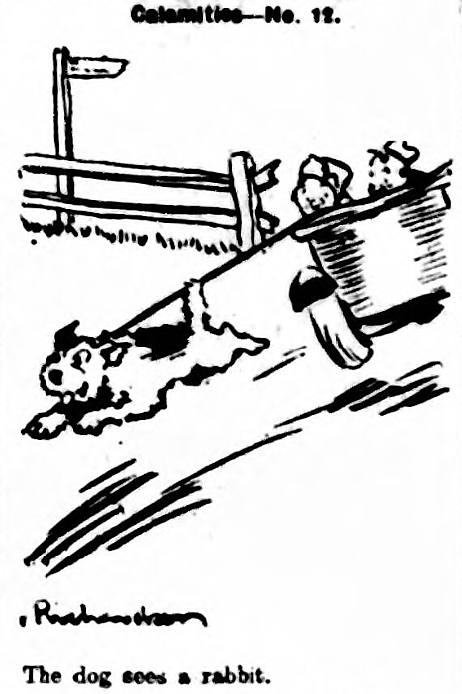
1893—to allow someone to get on with their task—originated in Wales with reference to fair-mindedness in sports
Read More1961—to be all talk and no action—originally without the negative determiner ‘no’—refers to verbal and sexual arrogance
Read More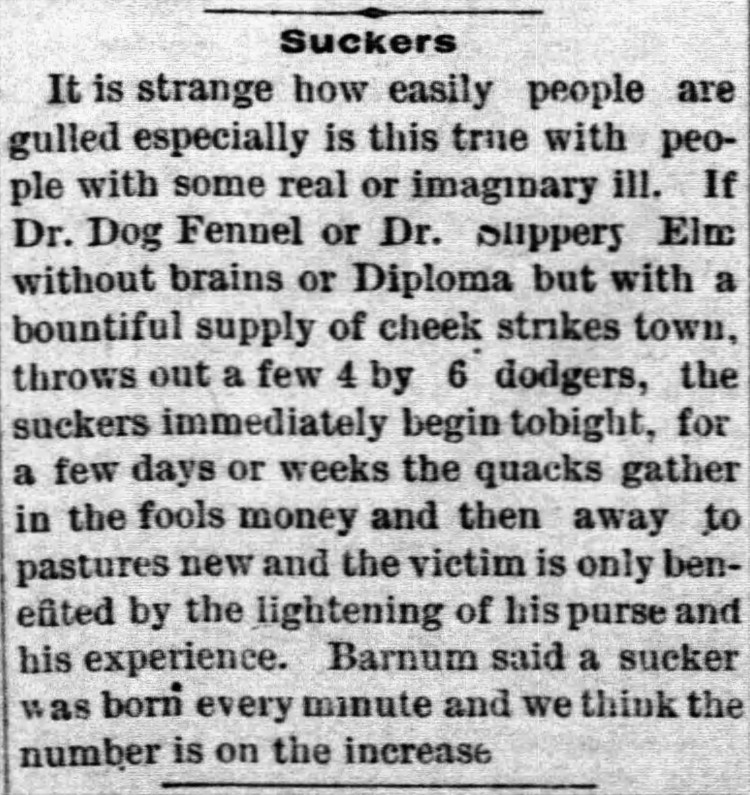
UK, 1806—expresses dismay or glee at the gullibility of people—originally used by those who were exploiting the credulity of others
Read More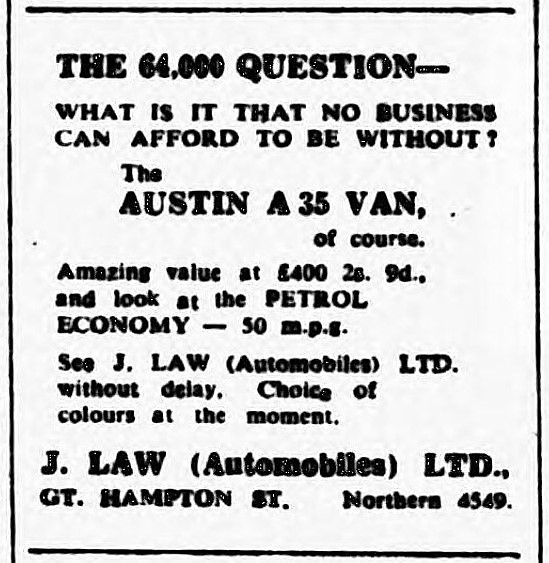
1956—a crucial question or issue—from The 64,000 Question, the name of a TV quiz show adapted from U.S. TV programme The $64,000 Question
Read More
1969—a weak, cowardly or oversensitive man—analogy between a cowardly man “in a flap” and an oversize garment hanging loose, fluttering
Read MoreUSA, 1893—a negligible likelihood—might refer to the fact that the Chinese had little prospect of obtaining reparations for racial discrimination
Read MoreUSA, 1947, of post-war need for soldiers—origin: when playing cowboys and Indians, a child would rather be the chief than an average Indian
Read More
