meaning and origin of the phrase ‘six feet under’
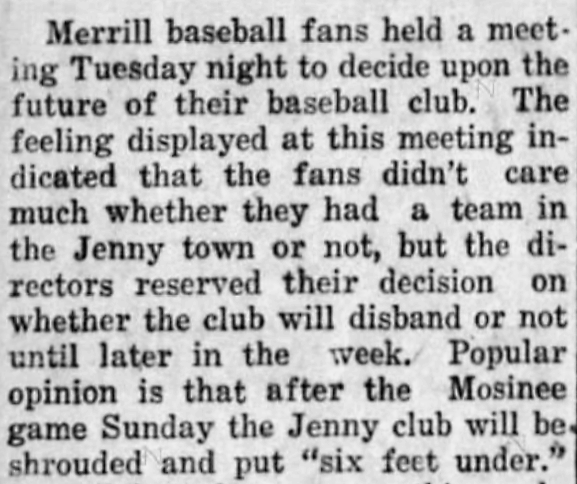
USA, 1924—dead and buried—short for ‘buried six feet under ground’—alludes to the normal depth of a grave
Read More
“ad fontes!”
USA, 1924—dead and buried—short for ‘buried six feet under ground’—alludes to the normal depth of a grave
Read More
UK, 1924—used to indicate that the speaker has been inattentive or has not understood what has just been said
Read More
‘WAGs’ (1987): the wives and girlfriends of the players of the Scottish football team Dundee United F.C.—‘Gwags’ (2006): golfers’ wives and girlfriends
Read MoreUK, 1862—‘in every direction’ and ‘in a disorganised or confused state’—apparently originated in sports slang
Read More
to put more effort in it—1976 with reference to putting one’s foot down on the accelerator pedal in a motor vehicle
Read More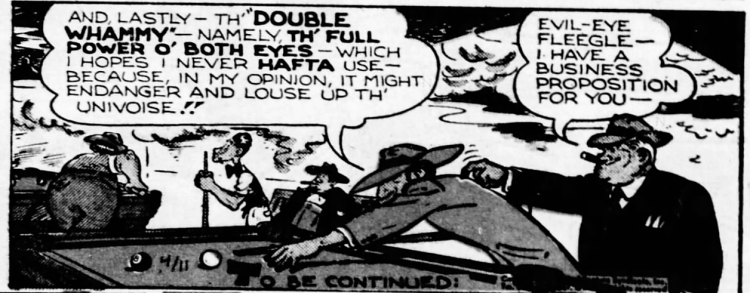
USA—‘whammy’ (baseball, 1927): evil influence or hex—‘double whammy’ (boxing, 1938): evil spell more potent than a whammy
Read Moresexual intercourse conducted quickly and without tenderness—originally used (USA, 1950) in the generic, neutral sense of ‘quickness’
Read More
USA, 1905—unremarkable or mediocre—based on the image of something that is worth writing to one’s friends or family at home about
Read More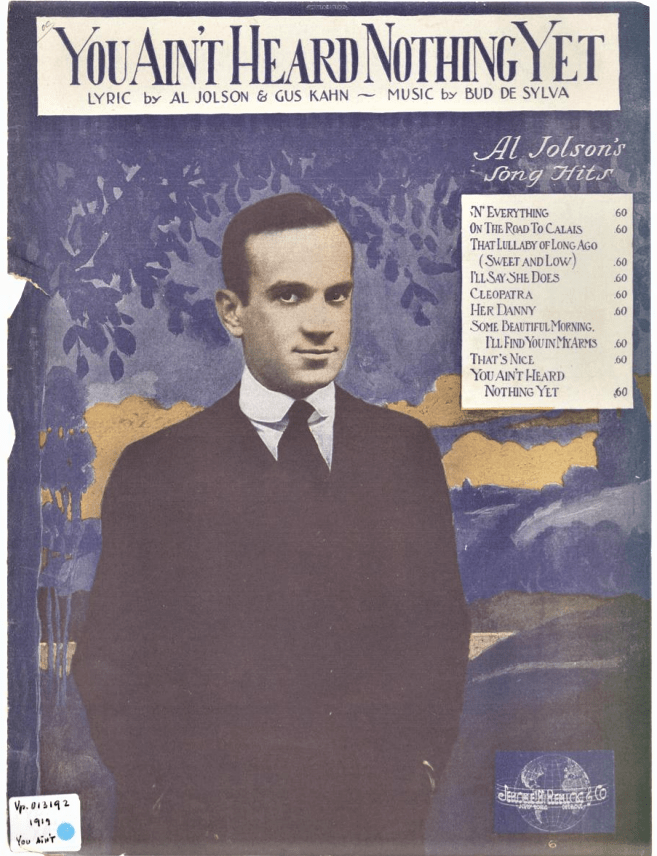
USA—‘you ain’t seen nothing yet’, 1897—‘you ain’t heard nothing yet’, first used by singer and actor Al Jolson in 1916
Read More
from the idea that it takes some pluck to put to the test the belief that a nettle stings less painfully when seized tightly than when touched lightly
Read More
