‘to take the checkered flag’: meaning and origin
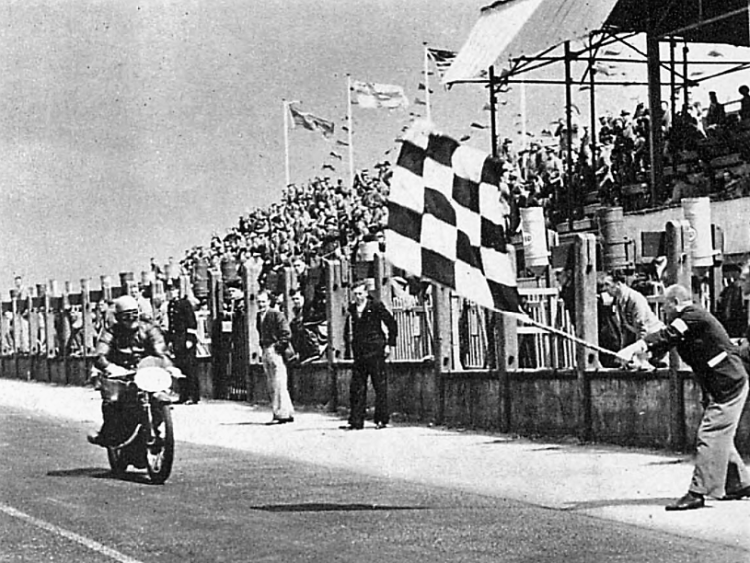
USA, 1923—in motorsports: to win a race—refers to ‘checkered flag’, denoting a flag with a black-and-white checkered pattern, displayed to drivers at the end of a race
Read More
“ad fontes!”
USA, 1923—in motorsports: to win a race—refers to ‘checkered flag’, denoting a flag with a black-and-white checkered pattern, displayed to drivers at the end of a race
Read MoreUSA, 1977—to be mentally stable—usually depreciatively in negative contexts, as ‘not to have both oars in the water’—refers to the necessity of dipping both the oars into the water to keep a rowing boat steady and steer it in a straight line
Read More
UK, 1872—the standard rules of boxing— figuratively: the standard rules of polite or acceptable behaviour—named after John Sholto Douglas, 8th Marquess of Queensberry, who supervised the preparation of the rules of boxing
Read More1909 to 1923 in stories by English author P. G. Wodehouse—a facetious appellation for a home or hospital for people with mental illnesses—‘loony’: shortened form of ‘lunatic’
Read MoreUK, 1824—thoroughly or perfectly right—‘trivet’: a metal tripod for a cooking pot or kettle to stand on—the phrase refers to a trivet’s always standing firm on its three feet
Read MoreUK, 1860—very much, very intensely—‘billy-o’ occurs only in this phrase—it is apparently composed of ‘Billy’, pet form of the male forename ‘William’, and the suffix ‘-o’, used to form slang and colloquial nouns, adjectives and interjections
Read MoreUSA, 1890—to regain one’s energy by resting after a period of exertion—the image is of restoring an electric charge to a battery
Read MoreUK—‘the Beast from the East’ (2011): polar continental air mass, which brings wintry conditions—‘the Pest from the West’ (2012): mild air from the Atlantic, which brings strong winds and heavy rainfalls
Read More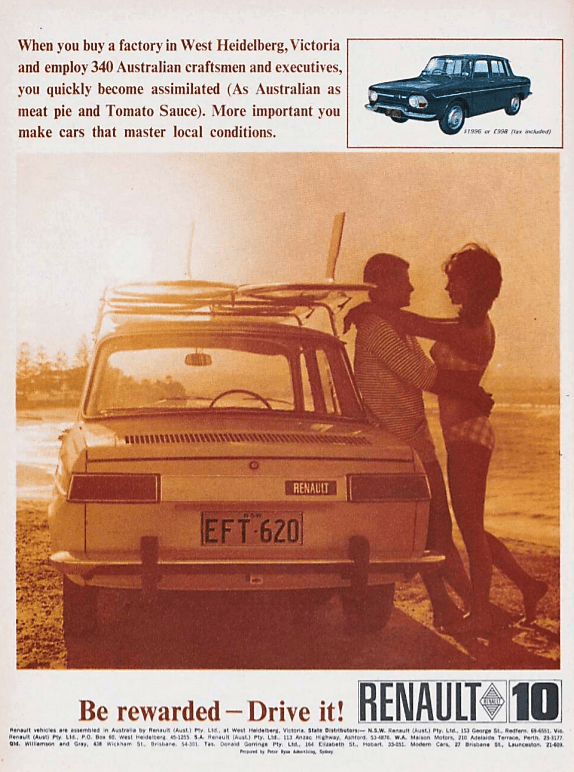
Australia, 1966—typically Australian in character—alteration of the phrase ‘as American as apple pie’, with reference to the prominence of meat pie in Australian diet
Read MoreAustralia, 1918—dazed and uncomprehending—from the image of a mullet that has been stunned
Read More word histories