‘not to know whether one is Arthur or Martha’
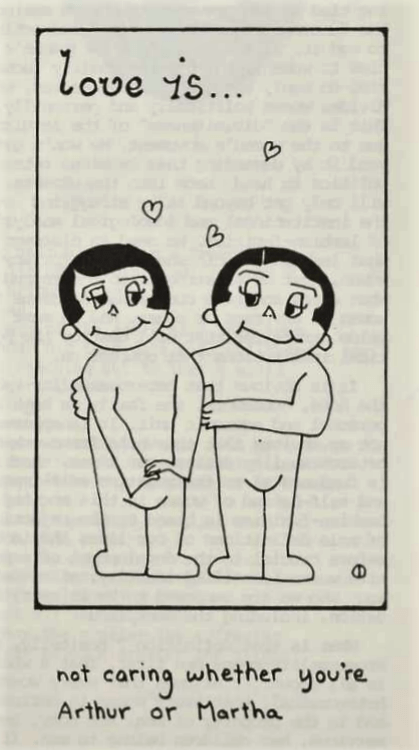
Australia, 1941—to be in a state of confusion—has come to be also used with reference to sexual orientation or gender identity
Read More
“ad fontes!”
Australia, 1941—to be in a state of confusion—has come to be also used with reference to sexual orientation or gender identity
Read MoreAustralia, 1935—meaning: ‘to deliberately ignore someone’s presence, request, etc.’—has erroneously been said to have originated in army slang during the Second World War
Read MoreAustralia, 1952—the first in line; the first in a series of people or things to arrive or appear; the first to take advantage of an opportunity—refers to cab ranks (i.e., designated areas where taxicabs line up to wait for business), which operate on a first come, first served system
Read More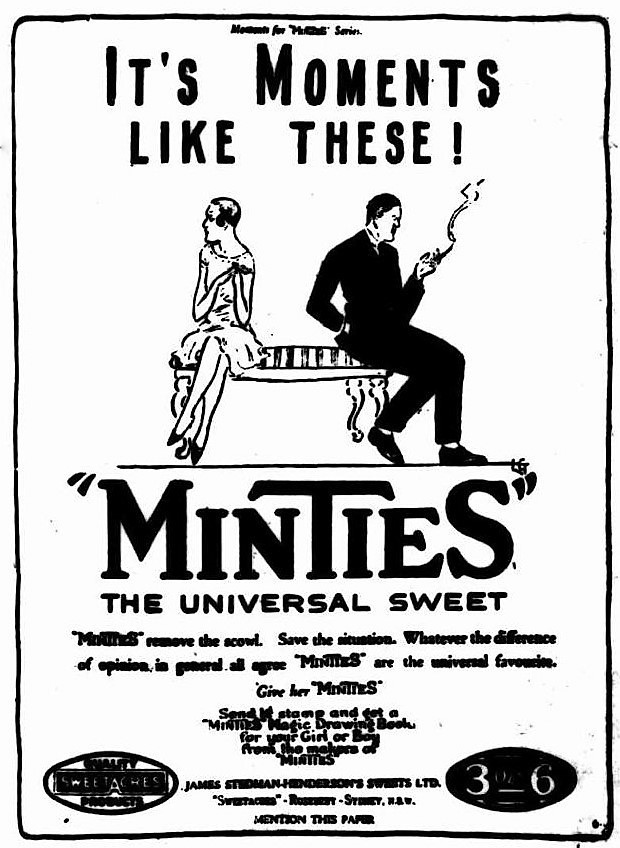
Australia, late 1920s—With reference to the slogan used in newspaper advertisements for Minties (peppermint-flavoured sweets), the phrase ‘it’s moments like these’ is applied to anyone in extremity, and the name ‘Mintie’ denotes a source of comfort.
Read More1906—a familiar name jocularly given to a fanciful deity reputed to be in command of the weather—especially occurs in the phrase ‘send it down, Hughie!’, used to ask that deity to send the rain down from the heavens—also, in the surfers’ lingo: the god of the waves
Read MoreUSA, 2009—a party given for a man who is about to become a father, attended by men only—‘dadchelor’: a blend of ‘dad’ (i.e., ‘father’) and of ‘bachelor’ in ‘bachelor party’ (a party given for a man who is about to get married, attended by men only)
Read MoreAustralia, 1907—very spirited or brave—refers to the Australian outlaw Ned Kelly (1855-1880), leader of a band of horse and cattle thieves and bank raiders operating in Victoria, who was eventually hanged in Melbourne
Read MoreAustralia, 1873—a refreshing sea-breeze that blows into Fremantle and Perth after hot weather, especially in the evening—Fremantle is a port city in Western Australia, near Perth—with reference to the action of an onshore breeze against diseases, ‘doctor’ denotes, in Western Australia and in the West Indies, a cool sea-breeze which usually prevails during part of the day in summer
Read MoreAustralia, 1919—a psychiatric asylum—seems to have originated in the slang of the armed forces during the First World War
Read MoreAustralia—1954: a very unpleasant experience—originally, 1953: a particularly rough stretch of road on the 6,500-mile round-Australia Redex Reliability Trial of August-September 1953—hence, 1953: any particularly rough stretch of road
Read More
