18th century—used humorously and ironically to denote old news, usually with the implication that the person whom the speaker is referring to is simply stating the obvious or restating a well-worn or accepted truth
UK, 1921—someone who is capable, reliable or trustworthy in the management of a situation—1854: originated in cricket, with reference to skill and reliability in catching a ball—later applied to rugby players (1894) and to goalkeepers in soccer (1899)
from the image of a speeding explosive projectile—primary meaning (of a motorcar, an aircraft, a motorcycle, an animal, a person): to move very fast—later (also ‘to go down like a bomb’ and ‘to go down a bomb’): to be very successful or popular
USA, 1973—a suburban mother who spends a lot of time taking her children to play soccer or engage in similar activities—popularised during the presidential election campaign of 1996 as designating an influential voting bloc
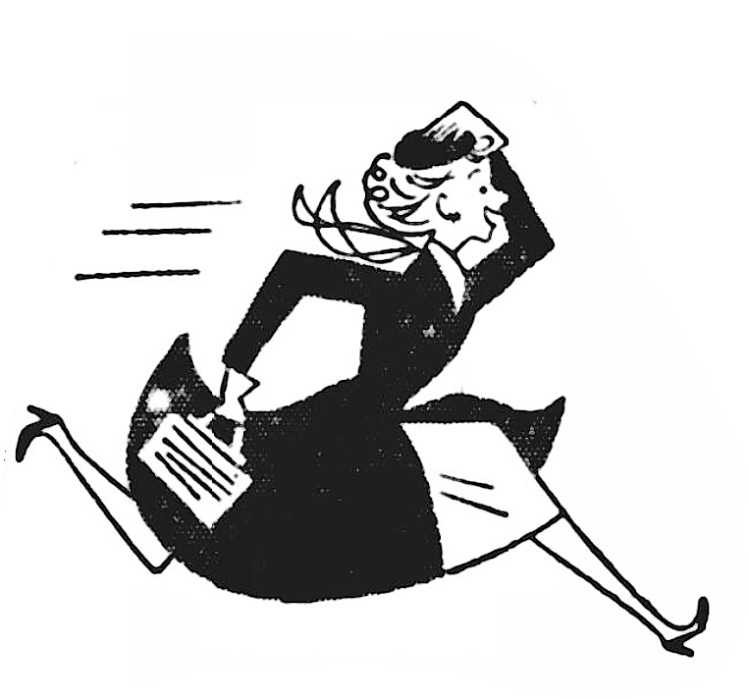
The proverbial phrase ‘if it should rain pottage, he would want his dish’, and its many variants, are used of a person who is characterised by bad luck or by an inability to be organised or prepared.
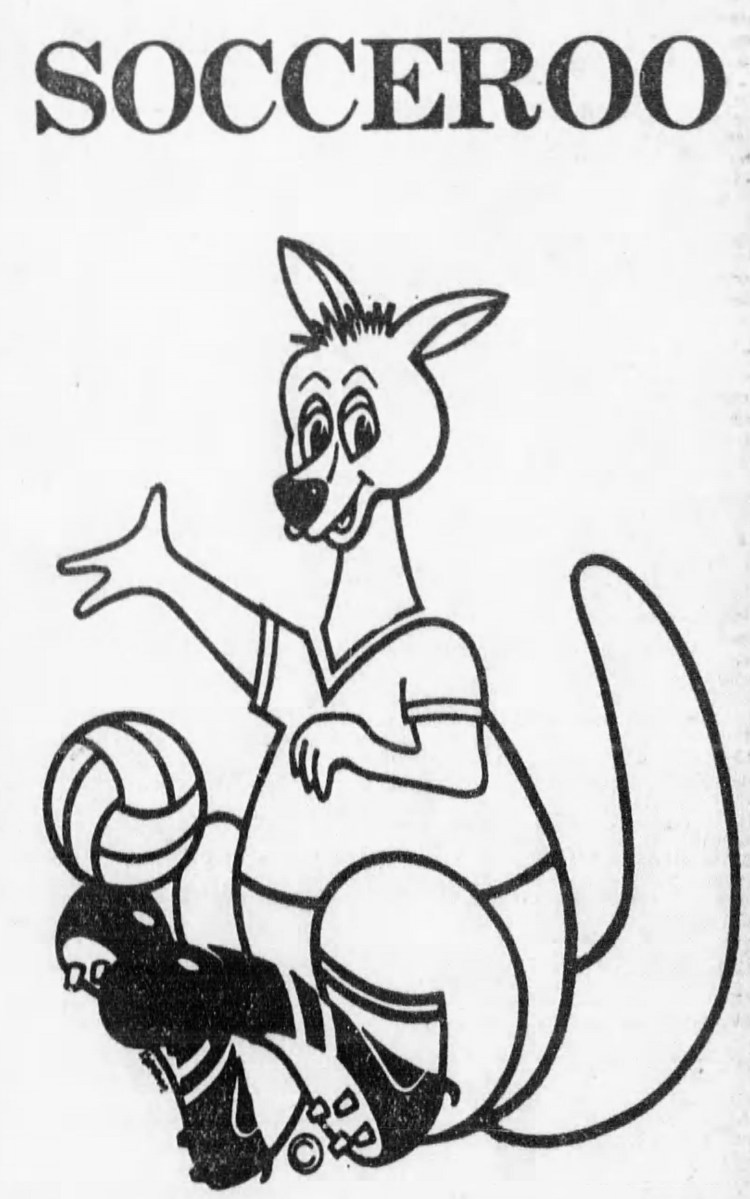
(plural) the Australian men’s national soccer team; (singular) a member of this team—originated in 1972 as the name of the mascot of the Australian men’s national soccer team, created for the 1974 FIFA World Cup
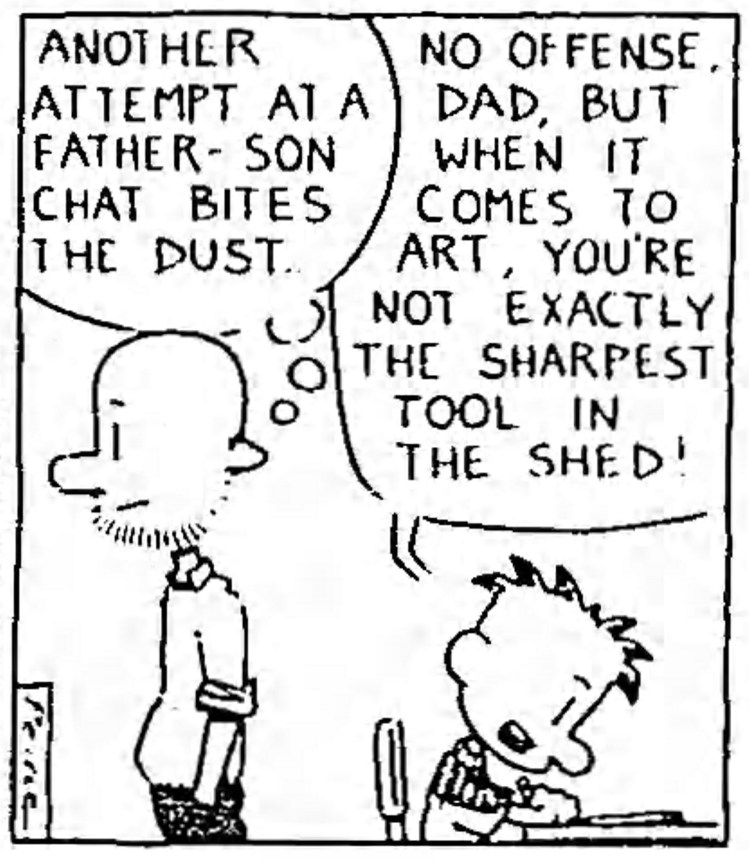
The adjective ‘sharp’ is colloquially used in the superlative, in various phrases of the form ‘not the sharpest —— in the ——’, indicating that a person is not very intelligent or perceptive, especially in comparison to others.
diarrhoea suffered by travellers, especially in Egypt—USA, 1973—does not seem to have been coined after the synonymous ‘Montezuma’s Revenge’—may somehow allude to the legendary curse of the pharaohs
out of one’s mind, extremely annoyed—Australia, 1900; New Zealand, 1907—originally as ‘(as) mad as a snake’, ‘(as) mad as snakes’ and variants—later as ‘(as) mad as a cut snake’
left-handed: ‘molly-handed’, ‘mauldy’, ‘molly-dooked’—a left-handed person: ‘molly-hander’, ‘mauldy’, ‘molly-dook’—‘molly’ and ‘mauldy’ may derive from ‘mauley’, denoting the hand or fist; ‘dook’ is ‘duke’, denoting the hand or fist

 word histories