‘poodle-faker’: meaning and origin
a ladies’ man—British-Army slang, 1900—based on the image of emulating a pet dog
Read More
“ad fontes!”
a ladies’ man—British-Army slang, 1900—based on the image of emulating a pet dog
Read More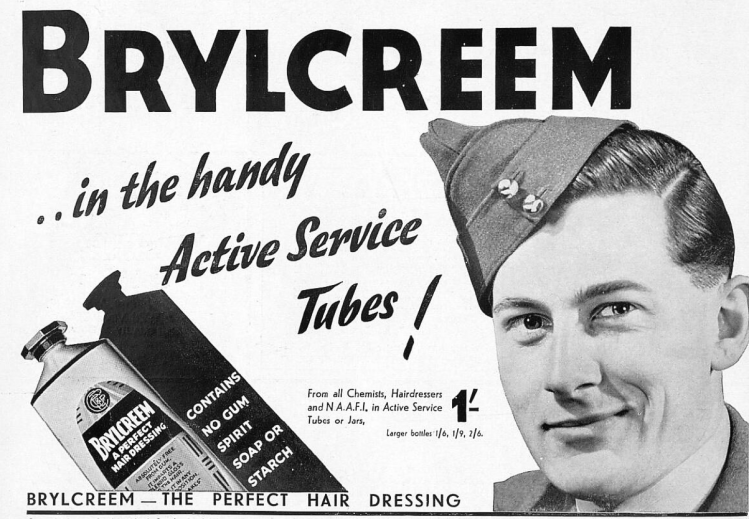
UK, 1941—a fighter pilot in the Royal Air Force; also used by the military land forces of any member of the R.A.F.—originally referred to WWII advertisements for Brylcreem hair cream, featuring a fighter pilot
Read MoreUK—an ambulance (i.e., a vehicle designed to carry sick or injured people)—originally (Royal Air Force slang, 1921): a specially equipped airplane for carrying sick or injured people
Read Morea married woman living apart from her husband (18th century)—originally (16th century) an unmarried woman who has borne an illegitimate child—alludes to a bed of grass as a typical place for illicit sexual intercourse
Read MoreUK—anything which discourages or inhibits sexual activity—originally (1943, British military slang): the sturdy, practical and unattractive underwear issued to female service personnel
Read Moreto intimidate somebody—UK, from 1958 onwards in books by Frank Norman (1930-1980)—also, the noun ‘frightener’ designates a member of a criminal gang who intimidates the victims of its activities
Read Moreto have sexual intercourse—USA, second half of the 20th century—here, the noun ‘salami’ denotes the penis
Read Moreto have sexual intercourse—UK, Ireland and Australia, second half of the 20th century—here, the noun ‘sausage’ denotes the penis
Read Morehumorous—a polite variant of the slang phrase to ‘take the piss out of’, meaning ‘to tease or ridicule’—Ireland, 1987
Read Morea person who seems eager to take on difficult or unpleasant tasks—UK, 1829—originally, in pugilistic slang, a fighter who “takes a deal of punishment before he is satisfied”
Read More word histories