‘in the pudding club’: meaning and origin
UK, 1890—pregnant—refers to “the bulging puddinglike appearance of a pregnant woman”
Read More
“ad fontes!”
UK, 1890—pregnant—refers to “the bulging puddinglike appearance of a pregnant woman”
Read More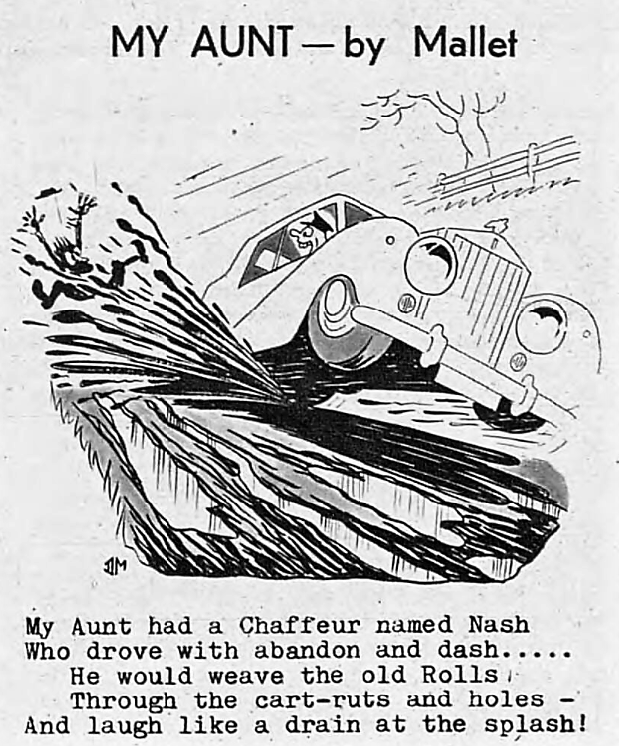
UK, 1935—to laugh loudly and coarsely—alludes to the sound of water gurgling down a drain
Read MoreUK, 1824—thoroughly or perfectly right—‘trivet’: a metal tripod for a cooking pot or kettle to stand on—the phrase refers to a trivet’s always standing firm on its three feet
Read More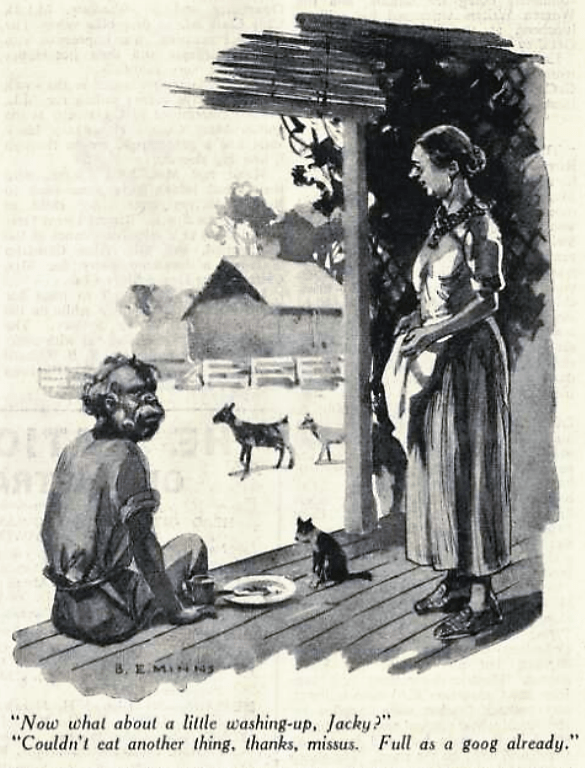
Australia, 1927—very drunk; sated with food—‘goog’, Australian-English slang for an egg, was perhaps formed on the sense of ‘gog’ in ‘goosgog’, denoting a gooseberry
Read MoreAustralia, 1876—a person drinking alone at a bar; a drink taken alone—origin unknown—perhaps related to ‘Johnny Warder’, denoting “an idle drunkard who hangs about pub corners looking for a drink”
Read More
Australia, 1944—to the greatest possible extent; sated with food—refers to a large floppy bow worn at the neck
Read MoreAustralia, 1909—to the greatest possible extent; sated with food—dolls used to have modelled wax heads with a neck shaped so that it could be sewn to a stuffed rag body
Read MoreUK, 1938—old-fashioned informal British-English adjective meaning ‘in good order’, ‘fine’—origin obscure: perhaps from Hindi ‘ṭhīk hai’ (‘all right’) or from ‘the ticket’ (‘the correct thing’); or it may simply be a purely fanciful formation
Read More
derisive appellation given to Australian Rules (football), because the ball is often kicked high into the air, requiring players to leap and catch it—Australia, 1945—slang of the Australian armed forces during World War II
Read More
USA, 1956—where the important facts or realities lie; where theory is put into practice—originated in the jargon of the advertising business, in which ‘let’s get down (to) where the rubber meets the road’ meant ‘how much is it going to cost?’
Read More word histories