‘war cake’: meaning and origin
a cake made with the ingredients available during wartime—first used during the First World War (1914-1918)—came back into usage during the Second World War (1939-1945)
Read More
“ad fontes!”
a cake made with the ingredients available during wartime—first used during the First World War (1914-1918)—came back into usage during the Second World War (1939-1945)
Read Moreearly 19th century—chiefly U.S.—to be forced by another to walk on tiptoe—to walk cautiously—to be discharged or dismissed—to discharge or dismiss (someone)—origin unknown
Read More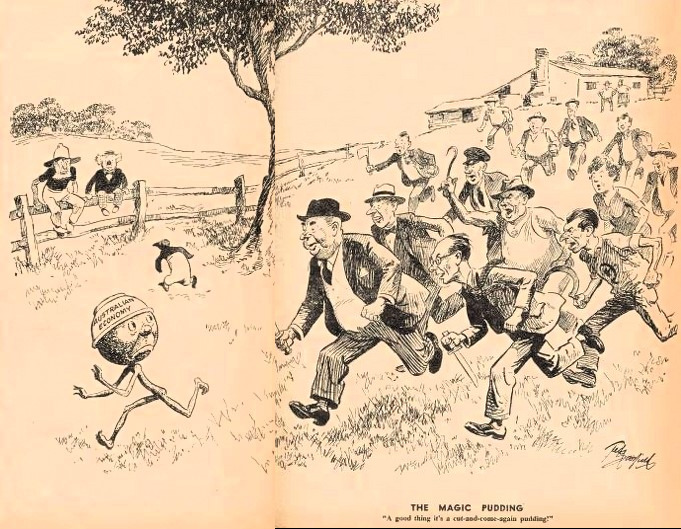
Australia, 1934—an inexhaustible supply of something, especially money—alludes to The Magic Pudding (1918), by Norman Lindsay, in which a pudding instantly renews itself as it is sliced or eaten into
Read MoreUSA, 1946—a feeling of regret experienced after making a purchase—also, in extended use: a feeling of regret experienced after voting for a particular person or programme
Read More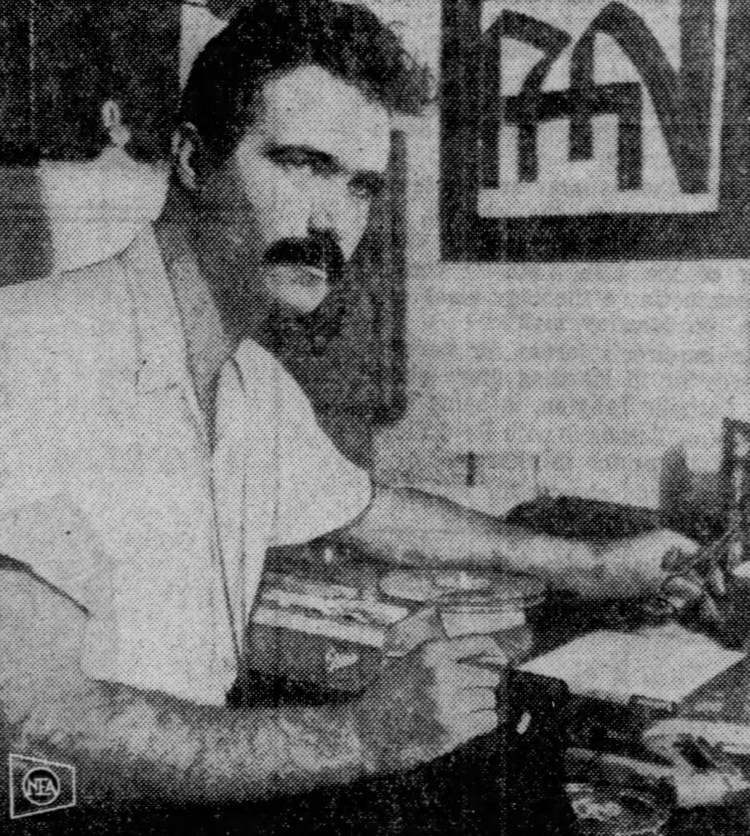
UK, 1958—a type of moustache in which the two ends extend downwards to the chin—refers to Emiliano Zapata, who was portrayed with a moustache of this kind by Marlon Brando in Viva Zapata! (1952)
Read More1785—Britain and Ireland—meaning: ‘more harshness than kindness’
Read MoreUK, 1801—said of a dead person: to be likely to have reacted with horror to something if they were still alive to experience it
Read More1927 (translation of German ‘Hackordnung’): a dominance hierarchy, seen especially in domestic poultry, that is maintained by one bird pecking another of lower status—hence (1929): any hierarchy based on rank or status
Read MoreUK, 1806—‘to be able to sleep at night’: to be untroubled by the moral consequences of one’s actions, or by the risks and responsibilities of one’s situation
Read MoreUSA, 1885—a condition of carefreeness, of ease, usually one marked by financial security—also (USA, 1889) in sporting contexts, a situation where winning will be easy
Read More word histories