the political, military or economical threat regarded as being posed by certain peoples of South-East and East Asia, especially the Chinese and the Japanese—UK, 1895—loan translation from French ‘péril jaune’
meaning: a person cannot be expected to behave in a manner that is not in their character—numerous variants—first recorded in 1731 as ‘If we petition a Hog, what can we expect but a grunt’
(humorous and frequently ironic) determinedly or stubbornly independent—USA, 1841—apparently refers to the extreme helplessness of a hog (i.e., a pig) on the ice
self-righteously or sanctimoniously virtuous, or professing to be so—UK, 1834—alludes to the Book of Isaiah, 65:5: “Stand by thyself, come not near to me; for I am holier than thou.”
an occasion on which enjoyment or profit is derived from the suffering or discomfiture of others—UK, 1836—alludes to the description of a gladiator dying in a Roman arena in Childe Harold’s Pilgrimage (1818), by Byron
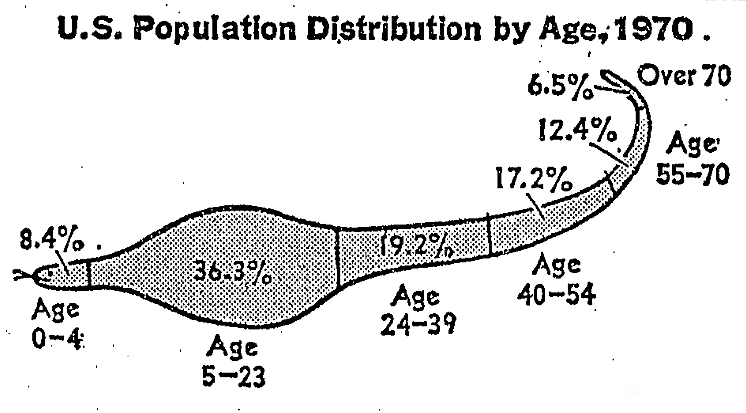
Canada, 1970—the people who were born during the ‘baby boom’ of the years immediately following WWII, considered as a demographic bulge—any short-term increase or notably large group
a reader of, or a writer in, The Guardian, seen as being typically left-wing, liberal and politically correct—UK, 1997—The Guardian is a centre-left newspaper published in London and Manchester, England
soldiers, especially low-ranking recruits, collectively regarded as expendable in war—UK, 1740—coined by William Shakespeare in Henry IV, Part 1 (1598)
soldiers regarded simply as material to be expended in war—‘cannon fodder’ (1847), said to have been coined after German ‘Kanonenfutter’—French ‘chair à canon’ (1814), first used in reference to Napoléon Bonaparte

 word histories