‘YIMBY’: meanings and origin
USA, 1986—consent by nearby residents to the siting of something despite the fact that they perceive it as unpleasant or hazardous—acronym from ‘yes in my back yard’, after ‘NIMBY’
Read More
“ad fontes!”
USA, 1986—consent by nearby residents to the siting of something despite the fact that they perceive it as unpleasant or hazardous—acronym from ‘yes in my back yard’, after ‘NIMBY’
Read MoreAustralia, 1865 (nonce-use): the process of turning into a person of high social rank—UK, 1964 (coined by sociologist Ruth Glass): the process whereby middle-class people take up residence in a traditionally working-class area of a city
Read Morethe educated sections of society, considered as enjoying discussion of political, social and cultural issues—coined in 1980 by British journalist Frank Johnson, but had occasionally occurred from 1840 onwards
Read More
‘to spread [something or someone] like Marmite’ (1964)—‘like Marmite, a little goes a long way’ (1970)—Marmite is a savoury paste made from concentrated yeast and vegetable extract, used as a spread and for enriching soups and stews
Read Moreindicates that a place or event is one to which guests may or should bring their own alcoholic drink—UK, 1858—USA, 1910—in early U.S. use, often referred to the prohibition of alcohol
Read More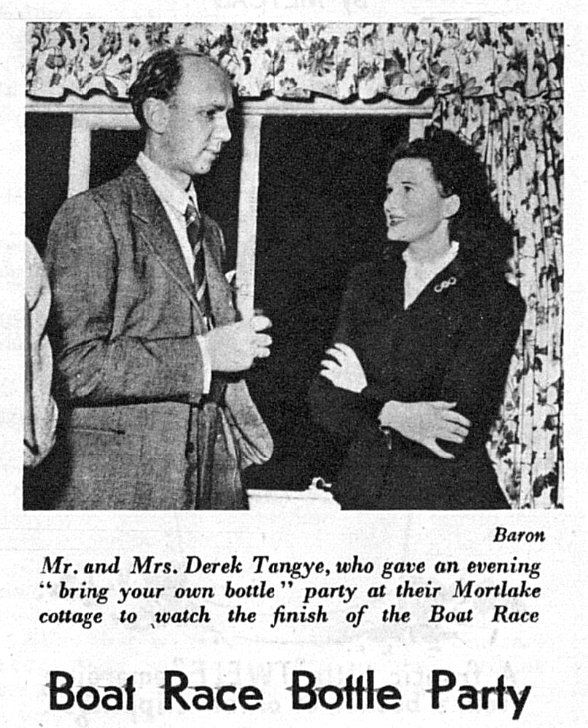
a party to which attendees are encouraged to bring their own drinks, especially alcohol—‘bring-your-own-bottle party’: USA, 1923, in the context of Prohibition—‘bring-a-bottle party’: UK, 1928
Read More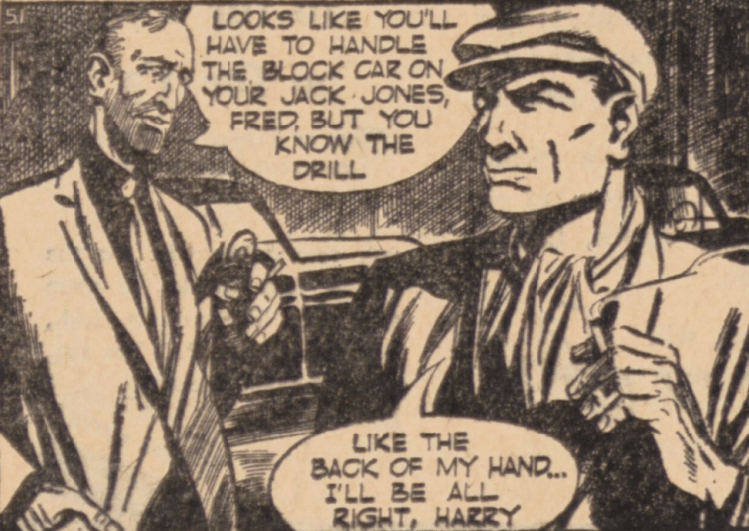
‘on one’s own’—UK, 1926—‘Jack Jones’ is rhyming slang for ‘alone’, or for ‘own’ in ‘on one’s own’
Read MoreAustralia, 1986—used as an assurance that all is fine, or to express one’s agreement or acquiescence—euphemistic alteration, with switching of the initial consonants, of ‘no fucking worries’
Read MoreNew York City, 1896—a lawyer who seeks accident victims as clients and encourages them to sue for damages—refers to lawyers, or their agents, following ambulances taking accident victims to hospital, in order to gain access to those victims
Read Moreto hurry up (1849 in Charles Dickens’s David Copperfield); the image is of a skater gliding rapidly over an ice surface—also, in early use (USA, 1886): to get drunk; the rolling gait of a drunk person is likened to the swaying motion of an ice skater
Read More word histories