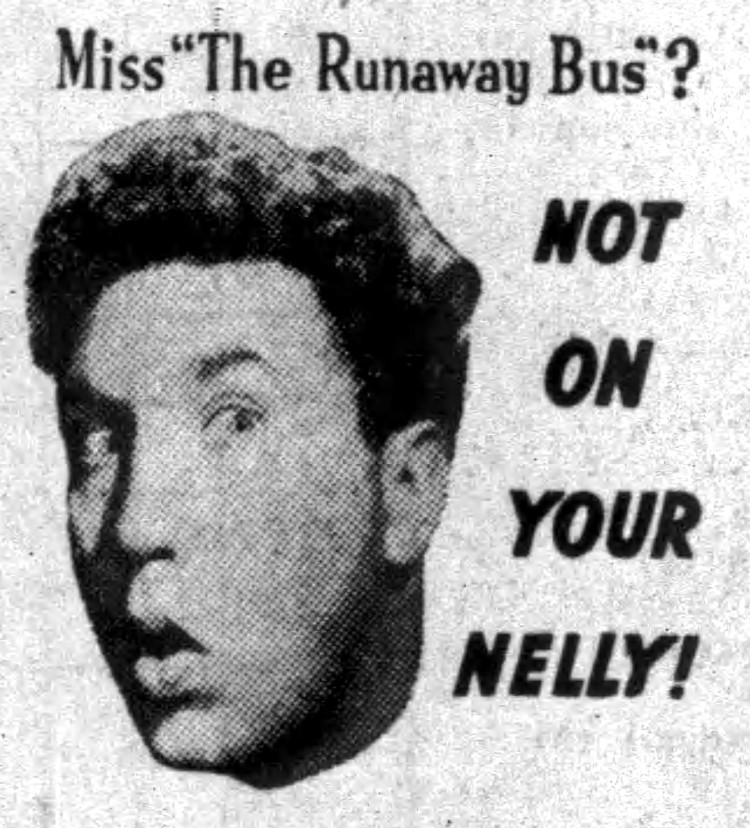
‘not under any circumstances’—Royal Air Force slang, 1942—short for ‘not on your Nelly Duff’, i.e., ‘not on your life’, ‘Nelly Duff’ being rhyming slang for ‘puff’ as used colloquially in the sense of ‘life’
USA, 1900: to get a stage act ready—Canada, 1961: to organise oneself to undertake or achieve something—from ‘to get together’ (i.e., to organise, put in order, harmonise)
Canada, 1928—resembling Jeeves, the perfect valet in stories by the English author Pelham Grenville Wodehouse (1881-1975); this fictional character first appeared in 1915
USA, 1808—an irritation in the throat suggestive of an obstruction, producing a temporary croakiness or hoarseness—occasionally associated with the French, probably because ‘frog’ is derogatorily applied to them
UK, 1836—that’s a surprisingly unfair criticism, considering that the person who has just made it has the same fault—here, ‘rich’ means ‘preposterous’, ‘outrageous’