‘to talk a glass eye to sleep’: meanings and early occurrences
applied either to a wearisome talker or to a persuasive talker—first occurs in the latter sense and in connection with boxing: Australia 1952, UK 1954
Read More
“ad fontes!”
applied either to a wearisome talker or to a persuasive talker—first occurs in the latter sense and in connection with boxing: Australia 1952, UK 1954
Read More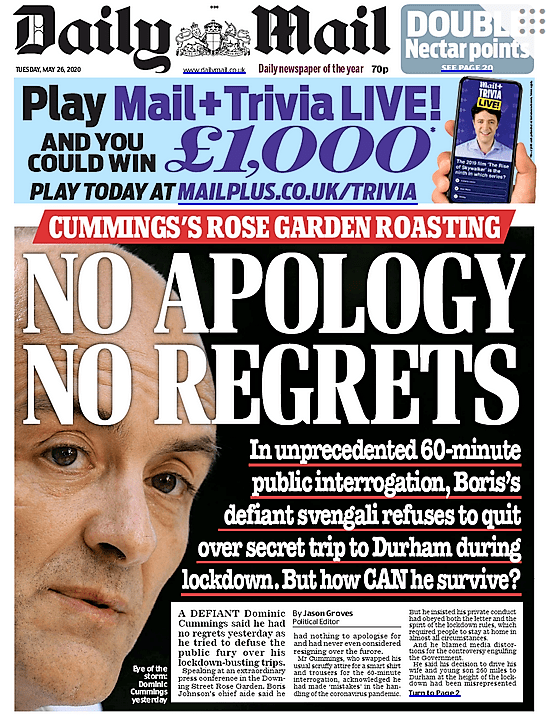
1894—(depreciative) someone who has a controlling influence over another—from the name of the hypnotist under whose spell Trilby falls in ‘Trilby’ (1894), by George Du Maurier
Read More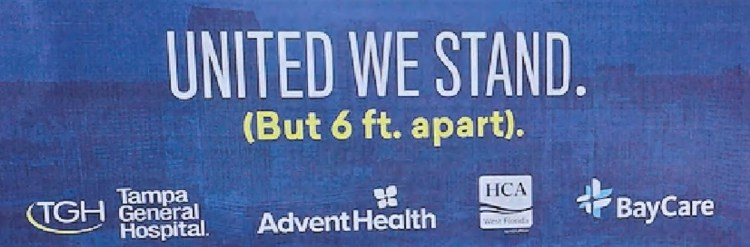
21st century: the practice of maintaining a certain distance between oneself and other people in order to prevent infection with a disease—20th century: the practice of maintaining a degree of remoteness or emotional separation from another person or social group
Read More1970—British and Irish English—acronym from the phrase ‘all coppers are bastards’—customarily written (tattooed in particular) rather than spoken
Read More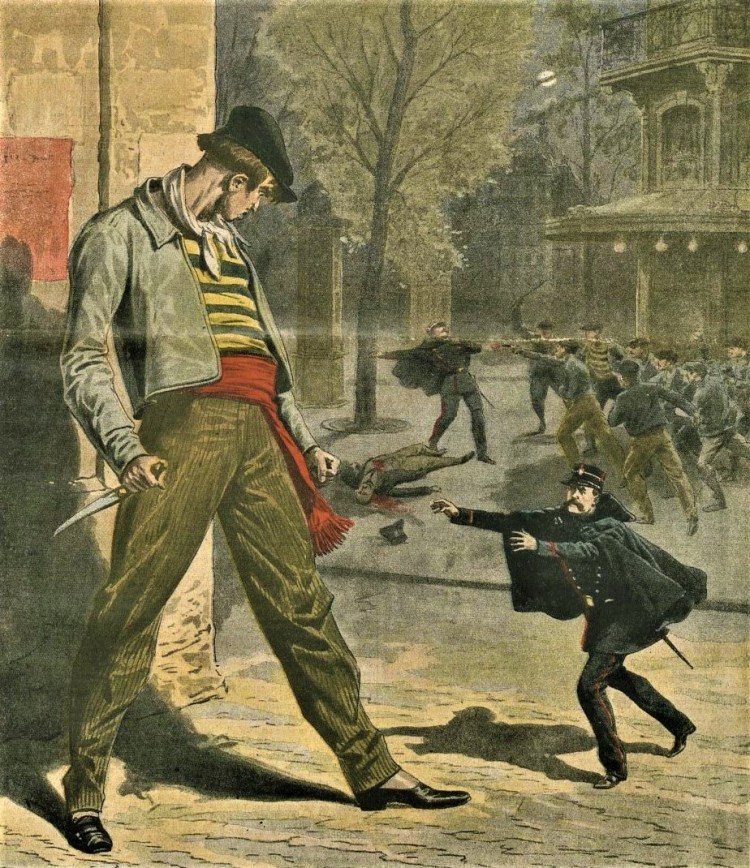
circa 1900: by association with the reputed ferocity of the North-American Indian people, ‘Apache’ came to designate a violent street ruffian in Paris
Read More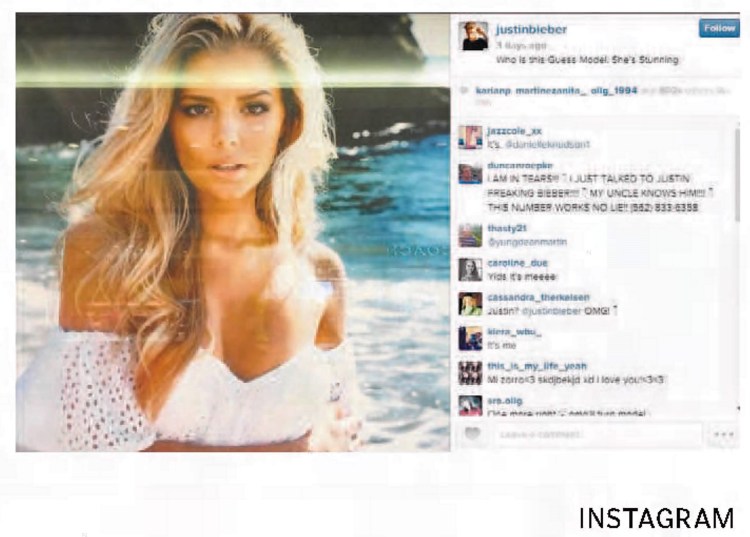
used ironically of something regarded as prosaic or even thoroughly vulgar—USA, 1869—‘romance’: romantic love idealised for its purity or beauty
Read More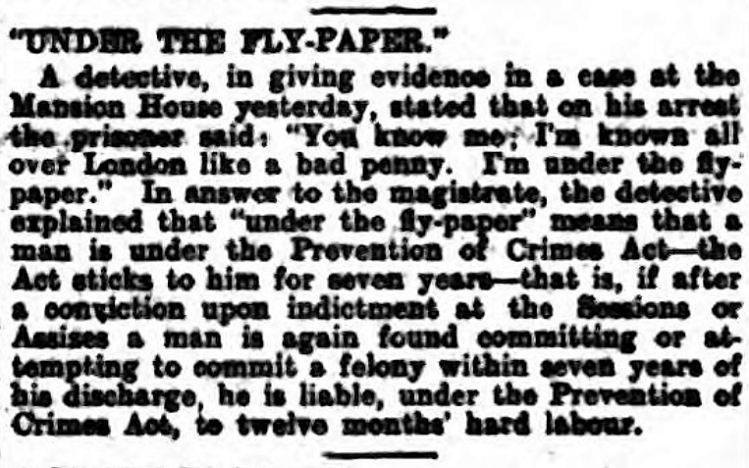
UK slang, 1906—‘Flypaper Act’: the Prevention of Crimes Act—‘to be under, or on, the flypaper’: to be subject to the Prevention of Crimes Act
Read More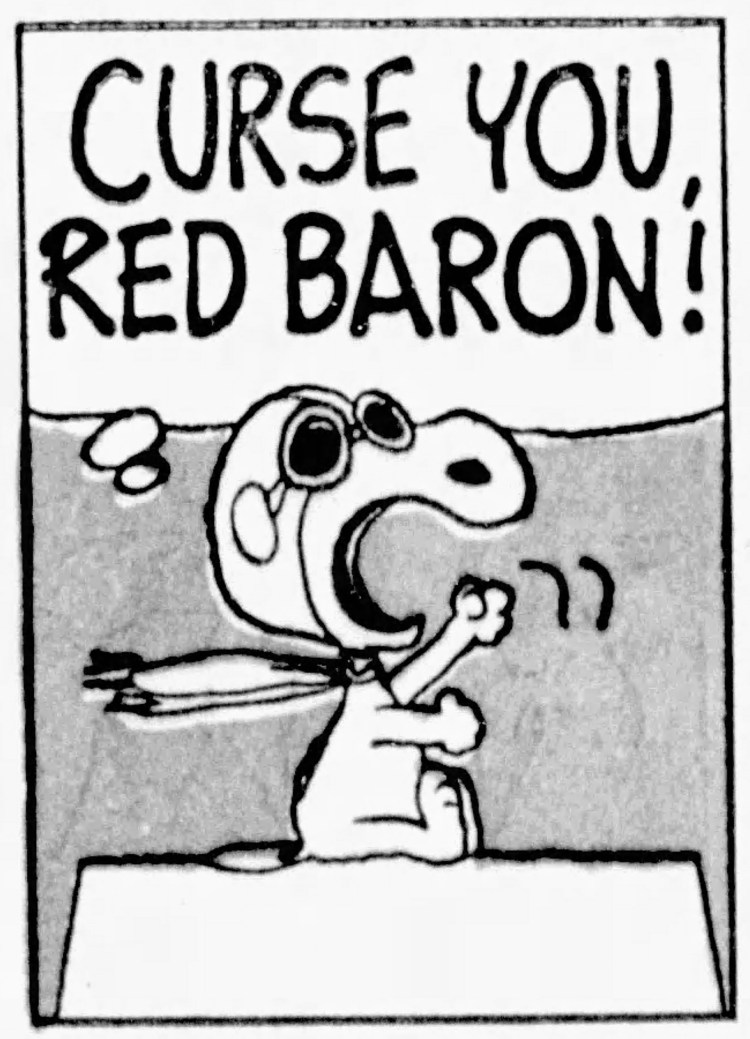
colourful way of railing at someone—USA, 1967—from Schulz’s comic strip Peanuts: Snoopy as a WW1 fighter pilot falls victim to German ace Manfred von Richthofen
Read More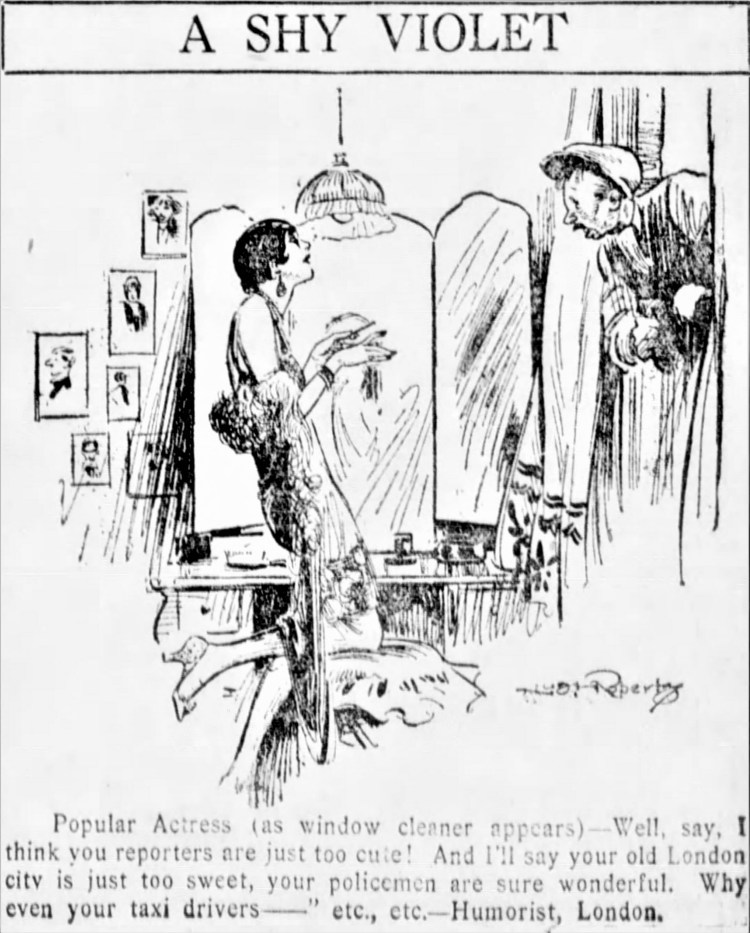
1928—used of British police officers, chiefly those of London, by persons, mostly women, visiting the United Kingdom—became rapidly a cliché used jocularly
Read More1950—Sunday trip by car or bus, making use of the bona fide clause in licensing laws, by which non-residents got alcohol—coined by Scottish novelist George Blake
Read More
