‘to spit the dummy’: meanings and origin
Australia, 1979—to lose one’s temper or composure; to give up contesting or participating—the image is of a baby spitting out its dummy in a tantrum
Read More
“ad fontes!”
Australia, 1979—to lose one’s temper or composure; to give up contesting or participating—the image is of a baby spitting out its dummy in a tantrum
Read MoreUSA, 1893—utterly despicable—jocular extension of ‘lower than a snake’—refers to the use of ‘low’ to mean ‘despicable’, and to the use of ‘snake’ to denote ‘a treacherous or deceitful person’
Read MoreUSA, 1963—a female police officer or a female traffic warden—puns on ‘dick’, slang for a man’s penis, and the name of Dick Tracy, a comic-strip detective created in 1931 by the U.S. cartoonist Chester Gould
Read MoreAustralia, 1970—a Melbourne City Council parking officer—the adjective ‘grey’ refers to the colour of those officers’ uniform; the noun ‘meanie’ refers to the nastiness displayed by those officers in the accomplishment of their duties
Read MoreAustralia, 1828—Ireland, 1832—a group of things or people in its entirety—‘box’ refers to a box from which dice are thrown in gaming or gambling
Read More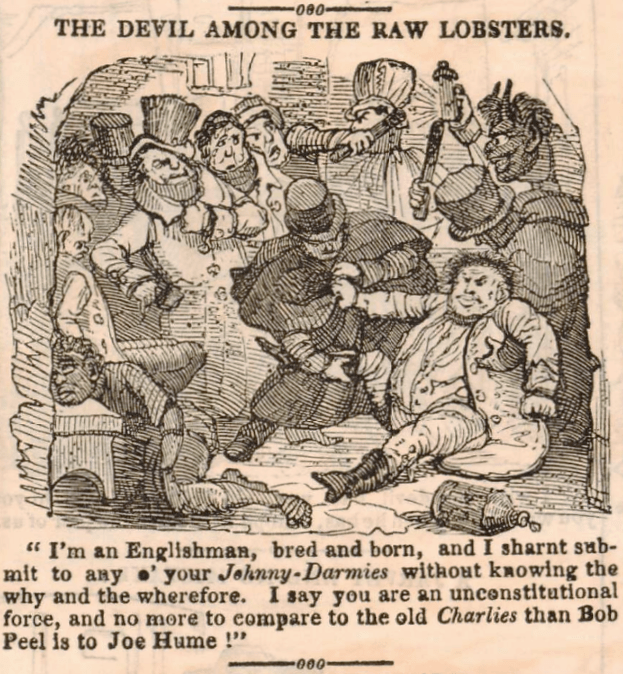
UK, 1830—‘Jenny Darby’, ‘Johnny Darm’, and variants, were originally opprobrious names for any member of the new Metropolitan Police introduced in 1829 by Robert Peel—alterations of ‘gendarme’, with full or partial folk-etymological remodelling variously after the female forename ‘Jenny’, the male forename ‘Johnny’, and the surname ‘Darby’
Read MoreLancashire, England, 1833—a faggot, a meatball, “a compound of onions, flour, and small pieces of pork” (The Liverpool Echo, 20 August 1880)—probably one of the common dishes humorously named after daintier items of food
Read More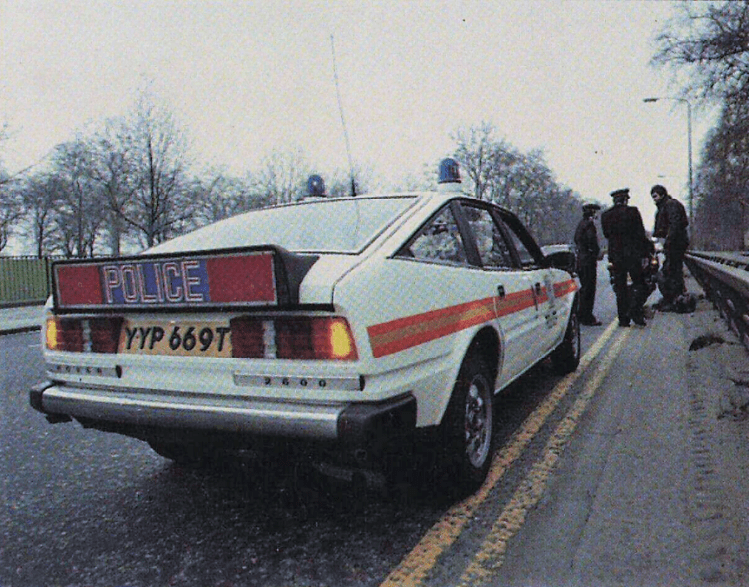
UK, 1971—‘jam butty’ (also ‘jam sandwich’): a colloquial appellation for a police patrol car having a red stripe painted on a white background
Read MoreUK and Ireland—with reference to the fact that Horatio Nelson was blinded in one eye—(1922) ‘until/when Nelson gets his eye back’ is used of a very long time in the future—(1933) the metaphor of Nelson getting his eye back is used of a very small chance of success
Read More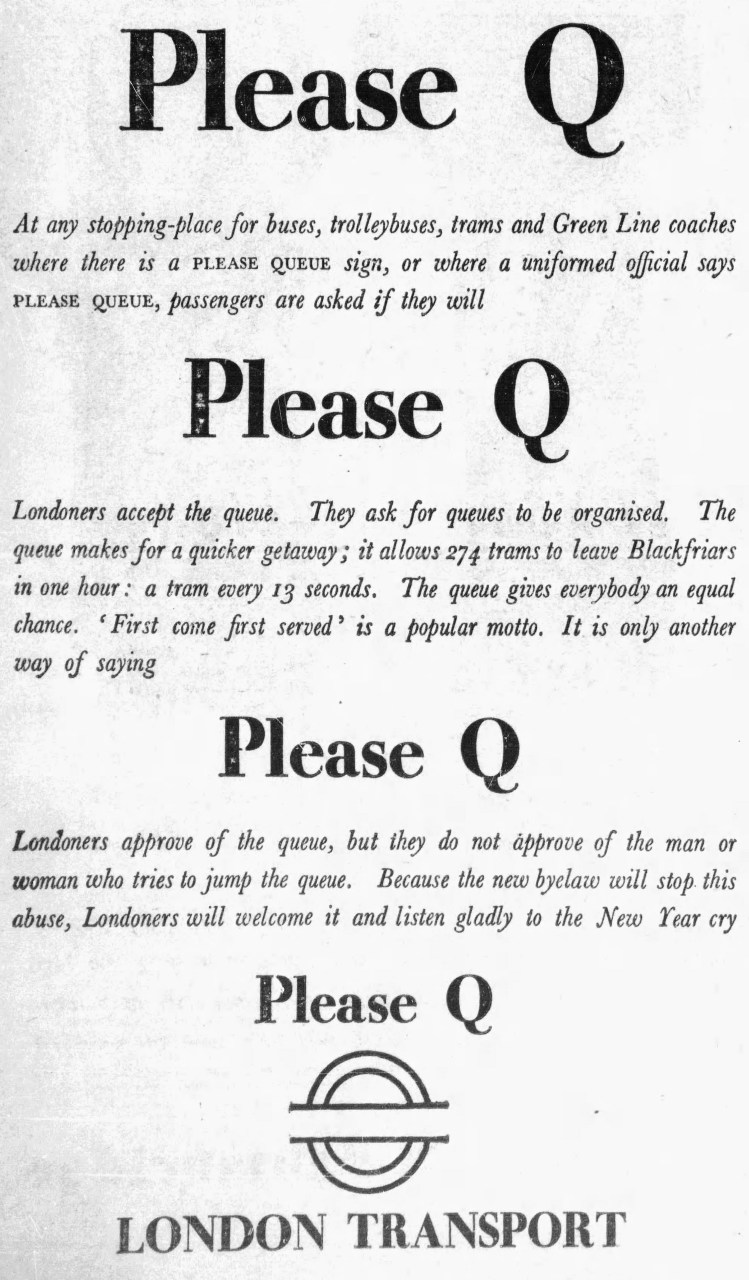
UK, 1920 (‘queue-jumper’)—literally: to push forward out of turn in a queue—figuratively: to obtain unfair priority over others—especially used since the 1930s in relation to compulsory queueing schemes implemented by public-transport authorities
Read More
