‘not to be able to fight one’s way out of a paper bag’
Australia, 1902—to be extremely weak or incompetent at fighting; to be completely ineffectual or inept—‘to fight one’s way out of a paper bag’: to accomplish a very easy task
Read More
“ad fontes!”
Australia, 1902—to be extremely weak or incompetent at fighting; to be completely ineffectual or inept—‘to fight one’s way out of a paper bag’: to accomplish a very easy task
Read More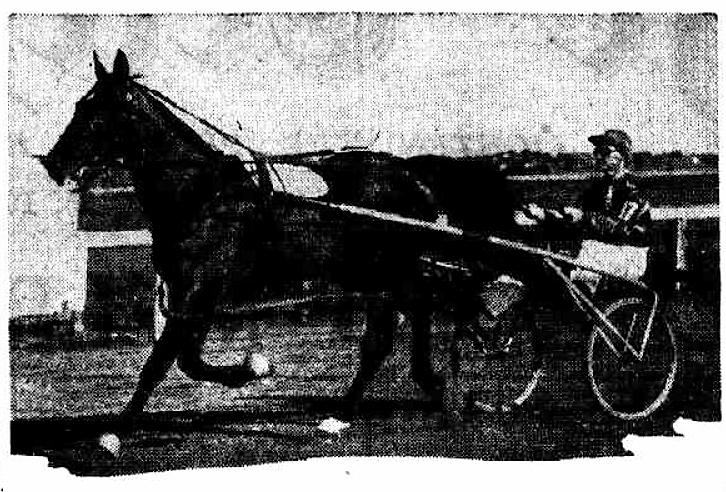
Australia, 1949—at a disadvantage or delayed—refers to Walla Walla, a champion pacer of the 1930s which conceded its rivals starts of up to 288 yards
Read MoreThis phrase means ‘utterly useless’. The earliest occurrences that I have found are British English (from 1981 onwards) and Australian English (from 1983 onwards).
Read MoreAustralia, 1967—Redfern: a train station positioned one stop before Sydney Central Station—British-English regional variations include, in Newcastle upon Tyne: ‘to get out at Gateshead’
Read MoreUSA, 1975—to be naive, ignorant or gullible—the image is of a country person who has just arrived in town on a turnip truck
Read Moretelevision programmes that are gratuitously shocking or sensational, or of poor quality—from their eliciting in the viewer a similar horrified fascination to that experienced by people watching scenes of cars crashing
Read More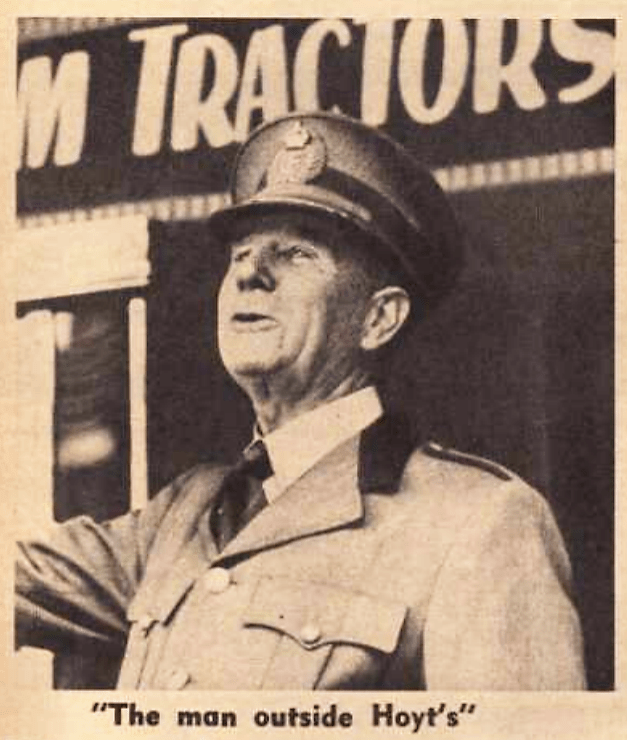
Australia, 1935—a person with extensive knowledge—originally the announcer outside Hoyt’s Theatre in Melbourne, Victoria, who wore a most elaborate uniform
Read MoreUSA, 1939 in The Grapes of Wrath, by John Steinbeck—a piece of homespun philosophy meaning that a man must do what he feels needs to be done, even if it is dangerous or undesirable
Read MoreUK, 1909: expresses the speaker’s good faith—literally, in Scouting for Boys (1908), by Robert Baden-Powell: the honour on which a Scout promises to obey the Scout Law
Read MoreU.S.—used in reference to several muddy rivers, and, occasionally, to other waterbodies—originally (1890 to 1902) used in reference to the Missouri River
Read More word histories