‘black-bag job’: meaning and origin
USA, 1950—a covert intelligence operation involving illegal entry into premises—alludes to the black bag in which the equipment required for this type of operations was typically carried
Read More
“ad fontes!”
USA, 1950—a covert intelligence operation involving illegal entry into premises—alludes to the black bag in which the equipment required for this type of operations was typically carried
Read MoreUK, 1874—the noun ‘long trousers’ is used in reference to the wearing of long rather than short trousers as a mark of increasing maturity
Read MoreUK, 1851—a person (or persons) or a thing (or things) considered unattractive, inferior or unpleasant, compared to others of the same type or group—alludes to Cinderella’s ugly and unpleasant stepsisters in the fairy tale Cinderella
Read Morea sly, treacherous or deceitful person, especially one who is secretly acting against the interests of the community or organisation to which he or she belongs—mid-19th century
Read MoreUSA, 1858—any man—often in contexts in which a person, especially a woman, is disparagingly characterised as sexually promiscuous or indiscriminate
Read Morein the game of whist: the four of hearts, considered as an unlucky card—southeastern Scotland and northeastern England, early 19th century—origin unknown
Read Morea person who overestimates their own influence—1661—alludes to the fable of a fly sitting on the axletree of a moving chariot and saying, “See what a dust I raise”
Read Morea person who behaves as if he or she knows everything—UK, colloquial, 1860—the irony of the expression lies in the fact that clogs are mere functional pedestrian objects
Read More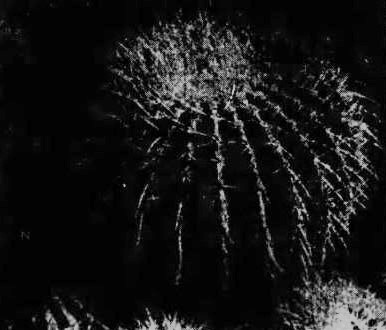
UK, 1951—‘mother-in-law’s chair’, ‘mother-in-law’s cushion’ and ‘mother-in-law’s seat’ are colloquial appellations for the globular spiny cactus Echinocactus grusonii, native to Mexico
Read More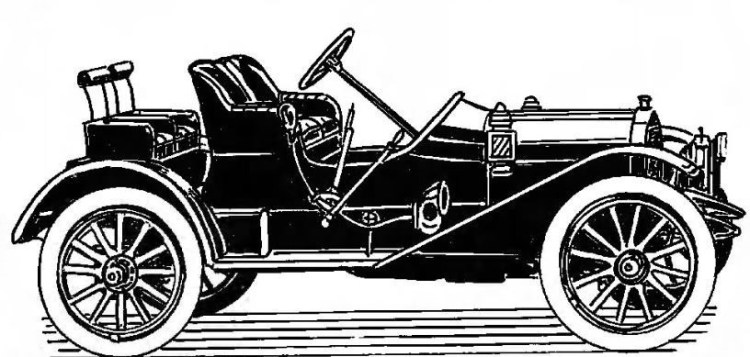
an uncovered extra seat at the back or on the side of a two-seater motor car—USA, 1907
Read More word histories