additional notes on ‘beer o’clock’
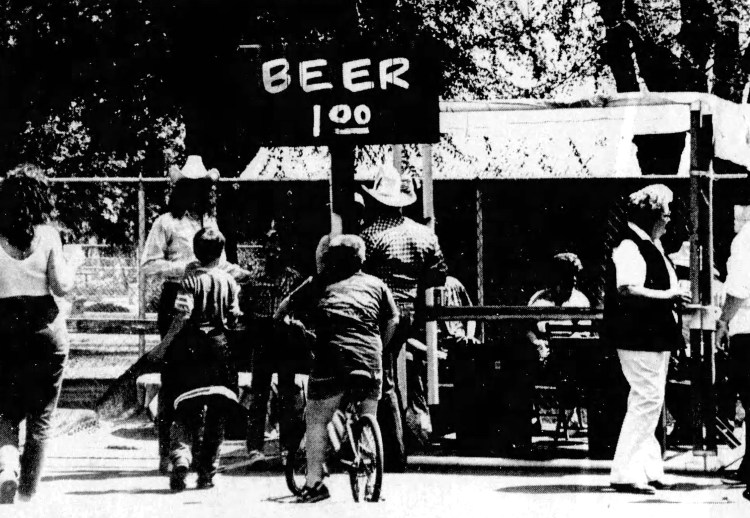
a time at which it is considered acceptable or sociable to start drinking beer—used of various times of the day—USA, 1910
Read More
“ad fontes!”
a time at which it is considered acceptable or sociable to start drinking beer—used of various times of the day—USA, 1910
Read MoreUK, late 1980s—the adverb ‘o’clock’ is colloquially and humorously used with adjectives to denote an unreasonably, excessively or inconveniently early or late hour—as in ‘stupid o’clock’, ‘silly o’clock’, etc.
Read MoreUK, 1759: first applied to Japan—1794 (during the French Revolution): the disparaging use in reference to Britain was popularised by the French phrase ‘nation boutiquière’
Read Moreone’s feet as a means of travel, humorously represented as a form of public transport—from 1887 onwards in the southeastern states of Georgia and Alabama
Read MoreUSA, 1882—one’s boots or feet as a means of travel, humorously represented as a form of public transport—refers to boots with hobnails inserted into the soles
Read MoreUSA, early 1930s—adjectives—‘little-girl-lost’: resembling (that of) a small girl who has lost her way—‘little-boy-lost’: resembling (that of) a small boy who has lost his way
Read MoreBritain, 1782—to evoke or recreate a previous time, state or condition; to make it seem as if no time has passed
Read Moreone who sews up wounds, i.e., a surgeon—also, in later use, a plastic surgeon—first recorded in ’Tis Pitty Shee’s a Whore (1633), by the English playwright John Ford
Read MoreUK, 1749—a playful bite on the skin from a lover; a kiss delivered with a sucking action, leaving a temporary mark on the skin, especially as a sexual act; a mark left on the skin by such a kiss
Read Moreto disrupt; to shake up; to rouse to action—USA, 1902
Read More
