the Australian phrase ‘to kill a brown dog’: meanings, origin
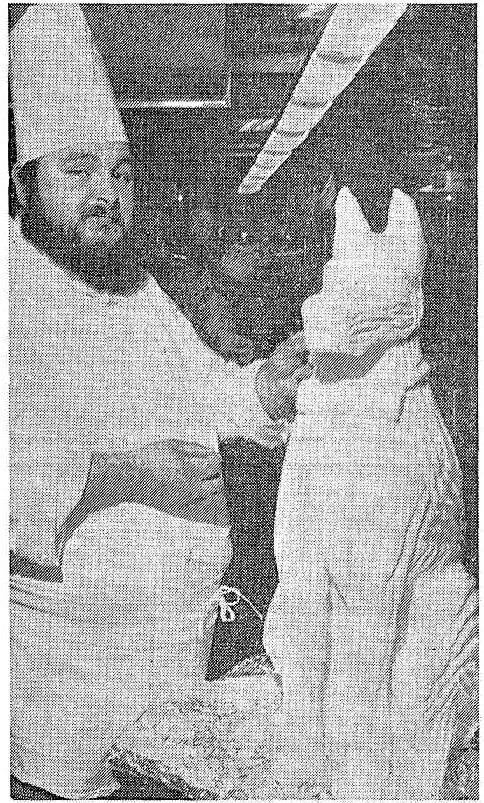
1950—used of a substance causing death or illness, and by extension of something powerful or disastrous—refers to red kelpie sheep dogs, who can ingest anything
Read More
“ad fontes!”
1950—used of a substance causing death or illness, and by extension of something powerful or disastrous—refers to red kelpie sheep dogs, who can ingest anything
Read More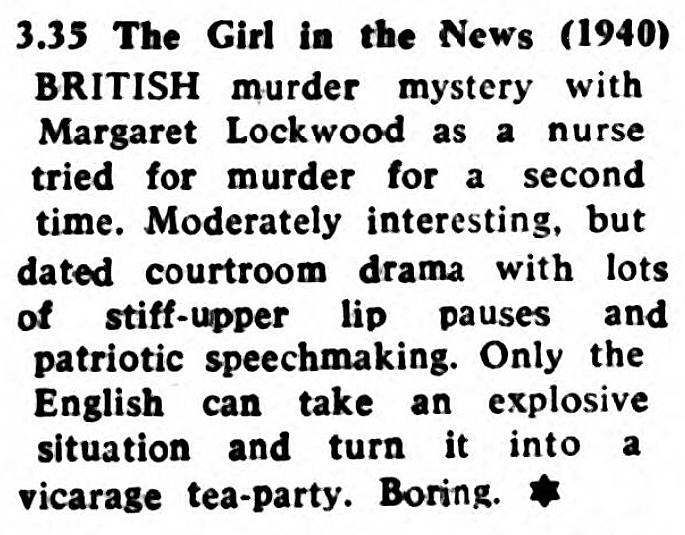
20th century—denotes something mild, innocuous or uneventful—but those notions have been associated with vicarage tea-parties since the 19th century
Read More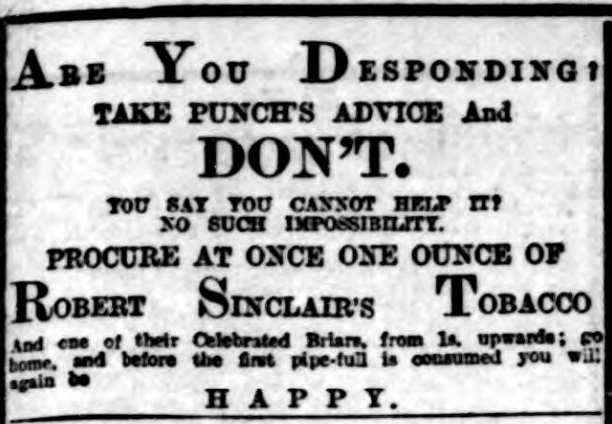
from “advice to persons about to marry—don’t”, published in ‘Punch’s Almanack for 1845’ (24 December 1844) by the magazine ‘Punch, or the London Charivari’
Read More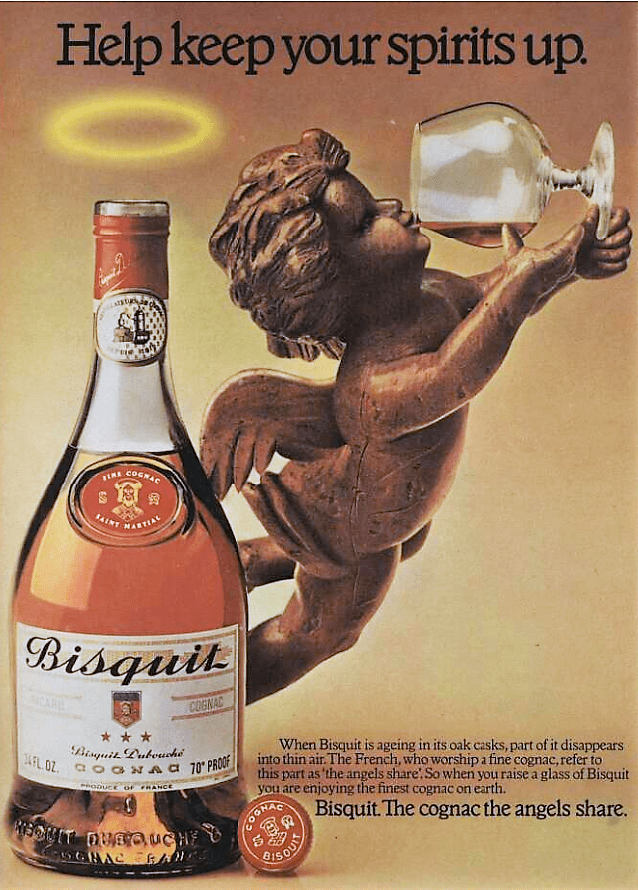
UK, 1970—the quantity of distilled spirits lost to evaporation while ageing in wooden casks; the vapours resulting from this process—calque of French ‘la part des anges’
Read More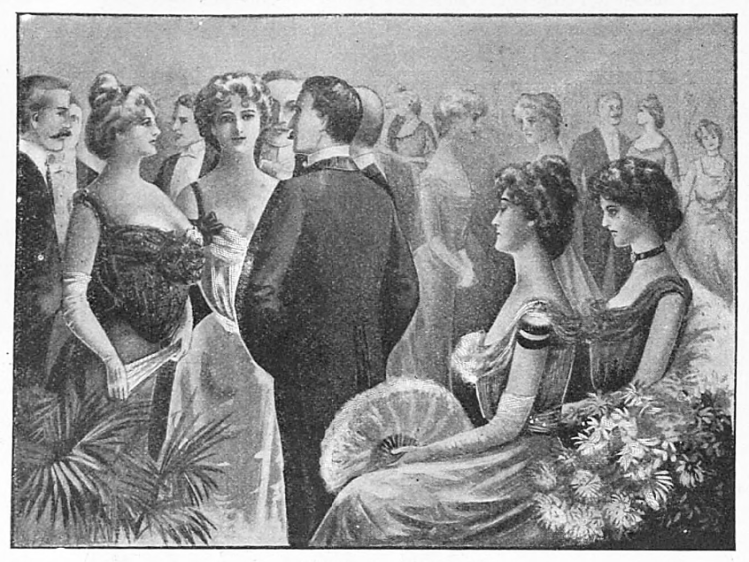
UK 1801 ‘wallflower’—France 1806 ‘faire tapisserie’ (= ‘to do tapestry’)—in both cases because the person keeps their seat at the side of a room during dancing
Read MoreAustralia, 1969—used to denote a fast-moving person or situation—alludes to the quickness with which a bride’s nightdress comes off on the wedding night
Read Moreeuphemistic jocular variant of ‘not bloody likely’—UK, 1914—from the sensation caused by the use of the expletive ‘bloody’ in George Bernard Shaw’s ‘Pygmalion’
Read More
chat-up line—from ‘Tell me, pretty maiden (I must love some one)’, a song of the musical comedy ‘Florodora’, produced in Britain in 1899 and in the USA in 1900
Read More
originally a chat-up line that supposedly met a demand for originality (USA 1985)—while it soon became one of the favourite lines used by men, women loathe it
Read More
UK, 1993—a person, usually a man, regarded as friendless—often used as a humorous surname following a generic first name such as ‘Billy’
Read More word histories