‘guzinter’: meanings and origin
1910—a humorous phonetic transcription of the phrase “goes into”, as originally used at school in arithmetic lessons (as in “4 guzinter 8 two times”)—hence, by extension: a schoolteacher
Read More
“ad fontes!”
1910—a humorous phonetic transcription of the phrase “goes into”, as originally used at school in arithmetic lessons (as in “4 guzinter 8 two times”)—hence, by extension: a schoolteacher
Read More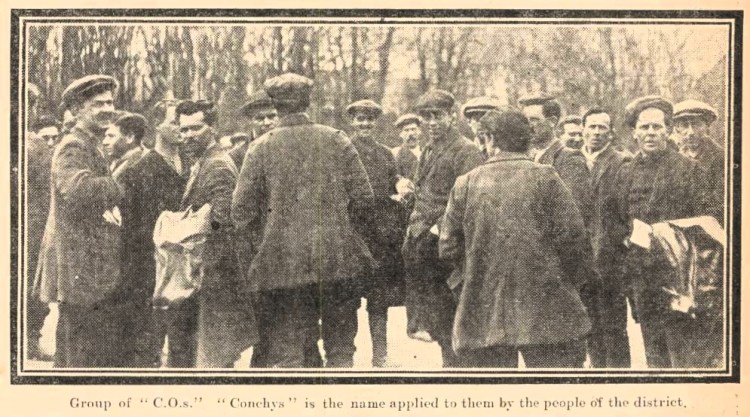
a conscientious objector—UK, 1916—from the initial syllable of the noun ‘conscientious objector’ and the suffix ‘-ie’, used to form familiar diminutives
Read Morevery boring or unexciting—‘(as) dull as ditchwater’ (1770)—the later phrase ‘(as) dull as dishwater’ (1832) is probably due to mispronunciation of ‘ditchwater’ in the original phrase
Read MoreU.S. slang, 1908—the noun ‘beeswax’ is humorously substituted for the noun ‘business’ (i.e., things that are one’s concern), these two nouns sharing a similar-sounding initial syllable
Read More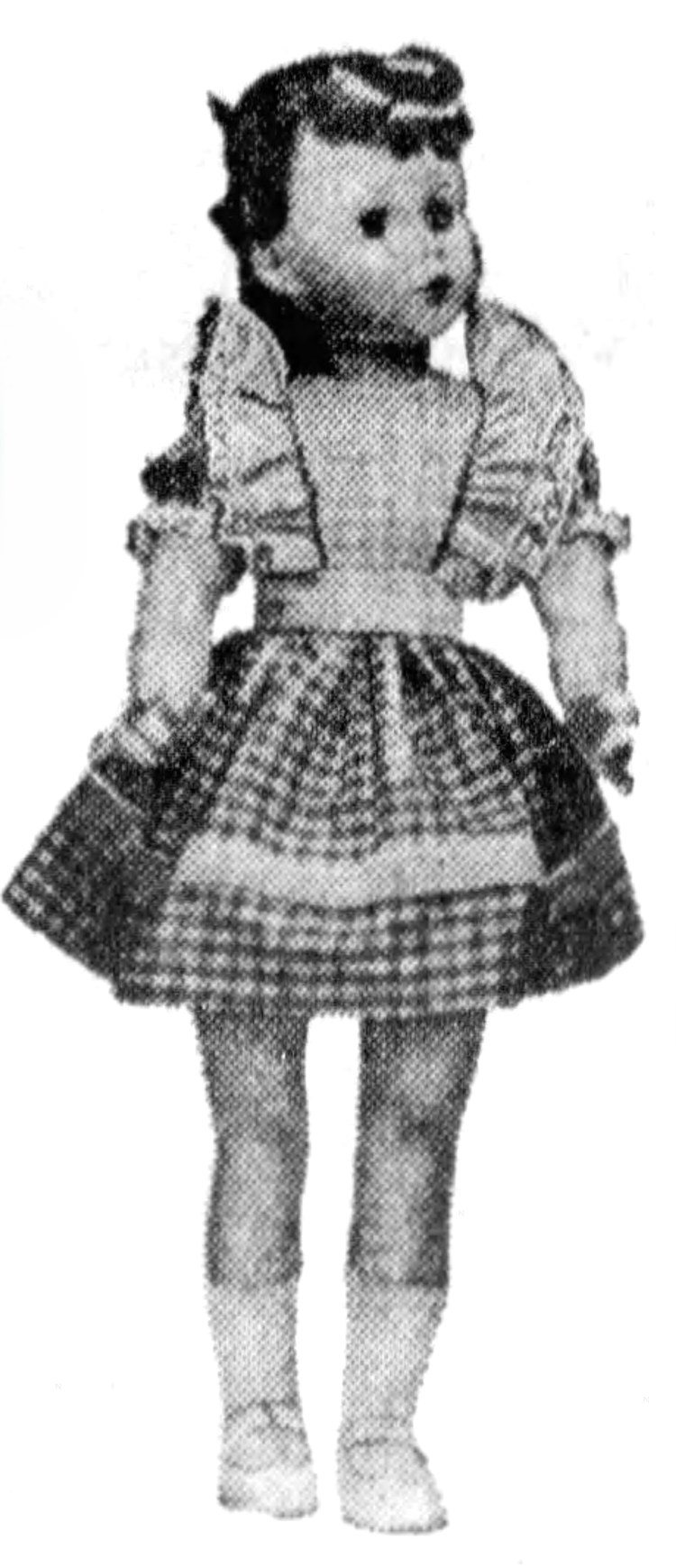
USA, 1949—a person (originally and chiefly a girl or a woman) who is especially talkative—popularised from 1960 onwards by a proprietary name for a child’s talking doll manufactured by Mattel
Read Moreto urinate—slang—2nd half of the 20th century—based on the sound /eɪn/, common to the verb, adjective and noun that compose it—‘main vein’ probably refers to the penis
Read MoreUK, 1917—‘what an idiot!’—a borrowing from French
Read MoreUK, 1884—‘what a surprise!’—a borrowing from French—chiefly used ironically, to imply that a situation or event is unsurprising, typical or predictable
Read MoreUSA, 1871—a traditional method of teaching consisting of lectures (talk) illustrated chiefly on the blackboard (chalk)
Read MoreIt has been said that ‘(as) right as a trivet’ an alteration of ‘(as) tight as a rivet’. But the latter phrase, which postdates the former, originally meant ‘extremely tight’, not ‘thoroughly or perfectly right’.
Read More word histories