‘lay on, Macduff’ | ‘lead on, Macduff’
from Shakespeare’s ‘Macbeth’—1814 ‘lay on, Macduff’: go ahead (and give it your best try)—1855 misquotation ‘lead on, Macduff’: let’s get going, start us off
Read More
“ad fontes!”
from Shakespeare’s ‘Macbeth’—1814 ‘lay on, Macduff’: go ahead (and give it your best try)—1855 misquotation ‘lead on, Macduff’: let’s get going, start us off
Read MoreUK, 1945—with allusion to the former price of admission to public lavatories: to use a public convenience—by extension: to urinate
Read More
USA, 1878—someone who behaves exemplarily in public, but who is abusive in private life—calque of German ‘Strass-Engel Haus-Teufel’
Read More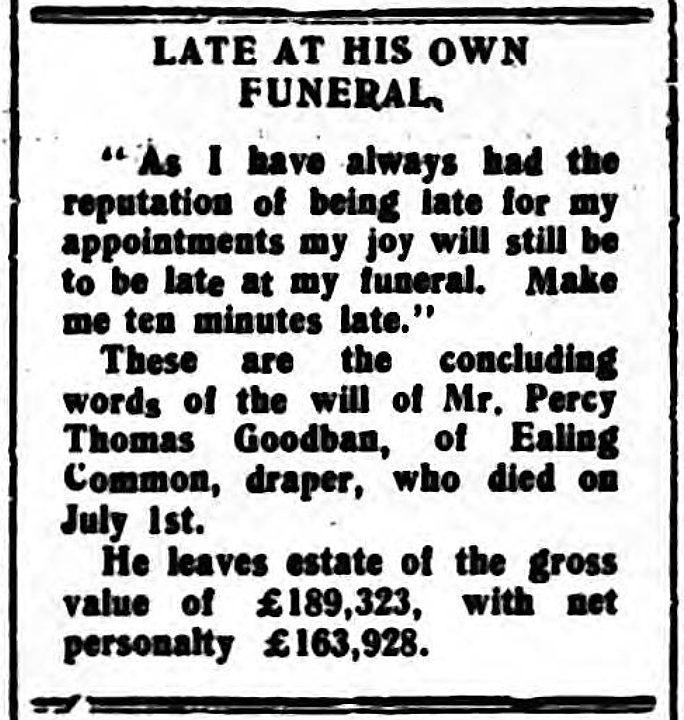
UK and USA, 1881—addressed or applied to one guilty of chronic and irritating unpunctuality—occasionally used literally
Read Moreto have no idea at all—Scotland, 1990—‘scooby’ (short for ‘Scooby Doo’, name of cartoon dog in U.S. television series and films): rhyming slang for ‘clue’
Read More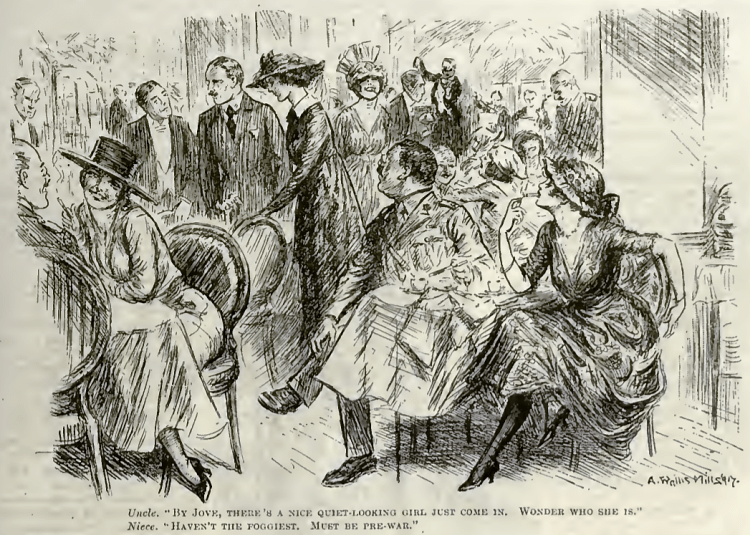
to have no idea at all—UK, 1913, shortening of ‘not to have the foggiest idea’ and variants (mid-19th century)—adjective ‘foggy’ means hazy, vague
Read More
UK, 1935—to conduct oneself adroitly (‘clever’: adverb meaning ‘skilfully’)—originated in boxing
Read More1911—‘Damaged Goods’, translation of ‘Les Avariés’, by French dramatist Eugène Brieux, about the dangers of ignorance concerning sexually transmitted diseases
Read Morean ironically resigned, yet far from submissive, reflection upon the vicissitudes of life—UK, 1937 in The Games Mistress, a monologue by Arthur Marshall
Read More1950—Sunday trip by car or bus, making use of the bona fide clause in licensing laws, by which non-residents got alcohol—coined by Scottish novelist George Blake
Read More
