Australia, 1863—originally referred to any chain of communications by which bushrangers were warned of police movements—soon extended to any rapid informal network by which information, rumour, gossip, etc., is spread
the three traditional interests of the stereotypical New-Zealand man—but also applied to both sexes—1962 or 1963 as the title and in the lyrics of a song by the New-Zealand singer-songwriter Rod Derrett
from 1857 onwards in Australian newspapers, but apparently of Irish-English origin—the forename ‘Larry’ was probably chosen as a jocular reinforcement, a variant reduplication, of the adjective ‘happy’
from army use on the Western Front during World War One: ‘cootie’, ‘body louse’, ‘cooty’, ‘infested with lice’, ‘coot’, ‘louse’, probably ultimately refer to the aquatic bird called ‘coot’, reputed to be lice-infested
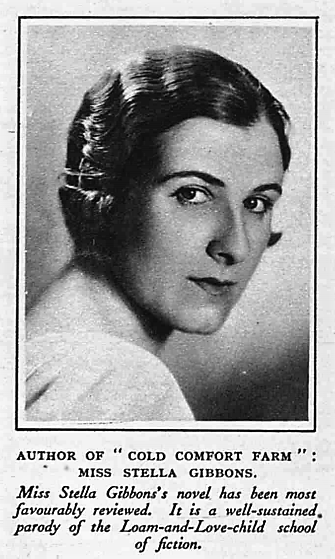
UK, 1930s—from Cold Comfort Farm (1932), by Stella Gibbons, in which a character exploits a traumatic childhood experience to exert control over her family



 word histories