The phrase to chop and change means to change one’s opinions or behaviour repeatedly and abruptly. Here, chop originally meant to barter, and change meant to make an exchange with; in other words, this was an alliterative repetitive expression, the two verbs having roughly the same meaning (cf. also, for example, the alliterative phrase to be part and […]
origin: a rower who does not pull the oar with a force appropriate to his or her weight fails to make the contribution expected by the rest of the crew
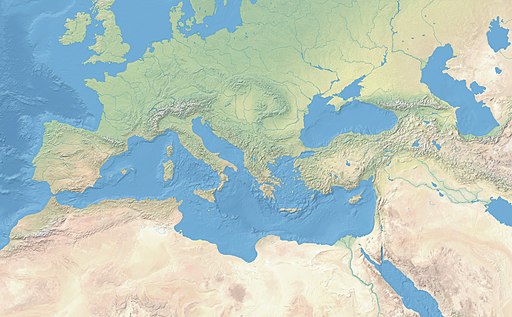
from Latin ‘mare Mediterraneum’, ‘the sea in the middle of the earth’—Latin ‘mediterrāneus’, from Greek ‘mesόgaios’, ‘situated in the middle of the land’
UK, early 19th cent.—‘shipshape’: arranged properly as things on board ship should be; ‘Bristol fashion’: Bristol was then the major west-coast port of Britain
from ‘to lose a sheep for a halfpennyworth of tar’—refers to the use of tar to protect sores and wounds on sheep from flies (‘sheep’ was pronounced ‘ship’)
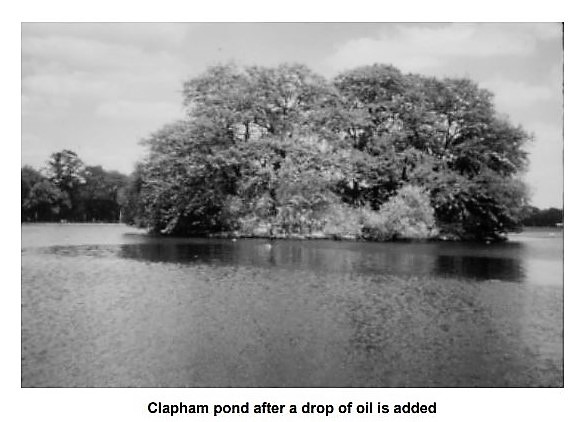
alludes to the calming effect of oil on the agitated surface of water; common knowledge since ancient times, first scientifically observed by Benjamin Franklin
early 17th century, with ‘the Dead Sea’ and ‘the deep sea’—originated in the image of a choice between damnation (‘the Devil’) and drowning (‘the sea’)
refers to a person making a pact with the Devil: the heavy price has to be paid in the end—unrelated to the nautical phrase ‘the devil to pay and no pitch hot’
In allusion to The Tale of the Ancyent Marinere (1798), by Samuel Taylor Coleridge: the albatross killed by the mariner is hung around his neck as punishment.