How a cartoon popularised ‘to drop the pilot’.
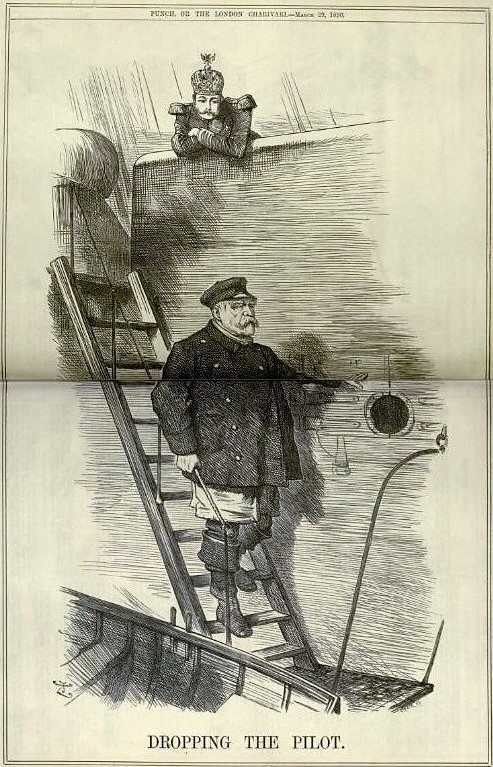
John Tenniel popularised the phrase in a cartoon depicting the dismissal of Otto von Bismarck, published in Punch (London) of 29 March 1890.
Read More
“ad fontes!”
John Tenniel popularised the phrase in a cartoon depicting the dismissal of Otto von Bismarck, published in Punch (London) of 29 March 1890.
Read More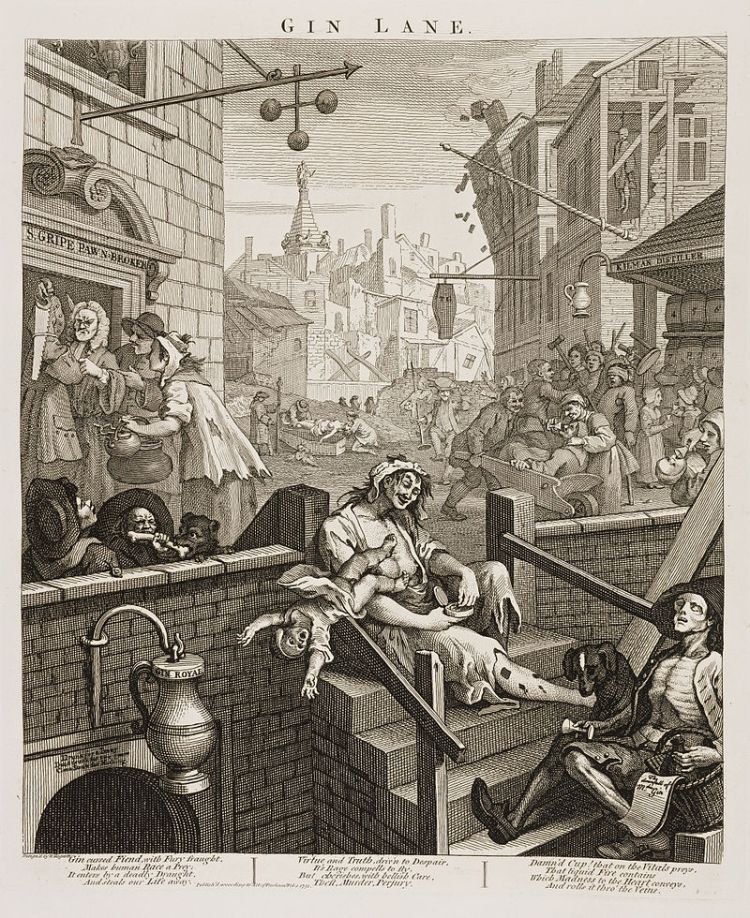
probably refers to pregnancy as an awkward condition, the image being apparently of an uncomfortable position at the top of a pole
Read More
UK, 1852—of a person or thing: irretrievably defunct or out of date—with reference to the extinct bird of Mauritius
Read More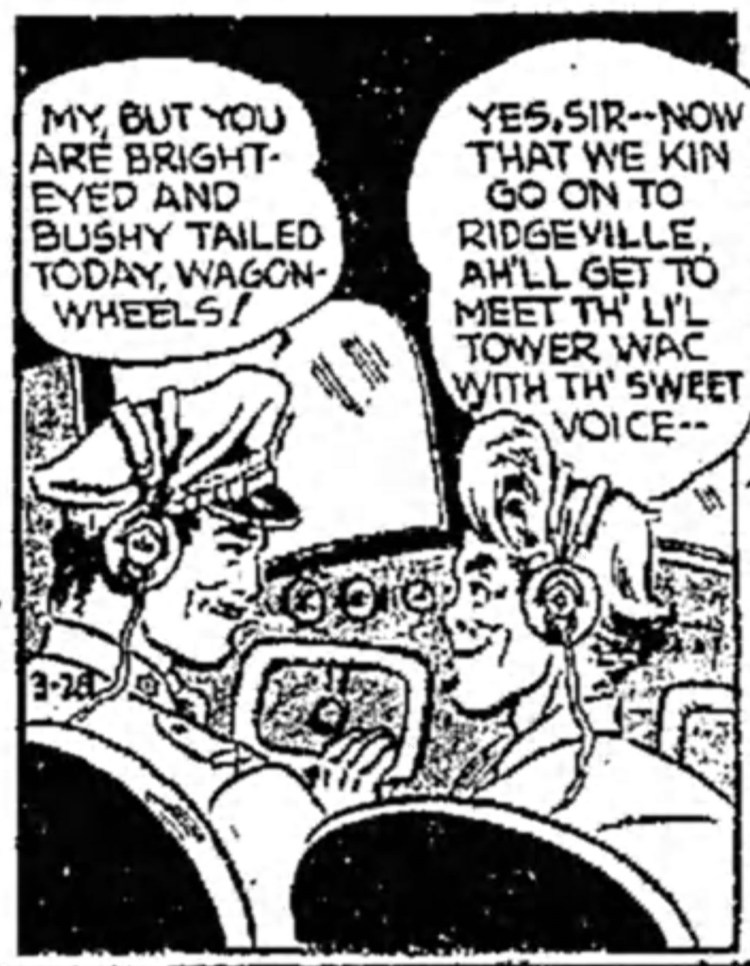
USA, 1940—alert and lively—originated in the conventional image of a healthy, spirited squirrel or other animal
Read More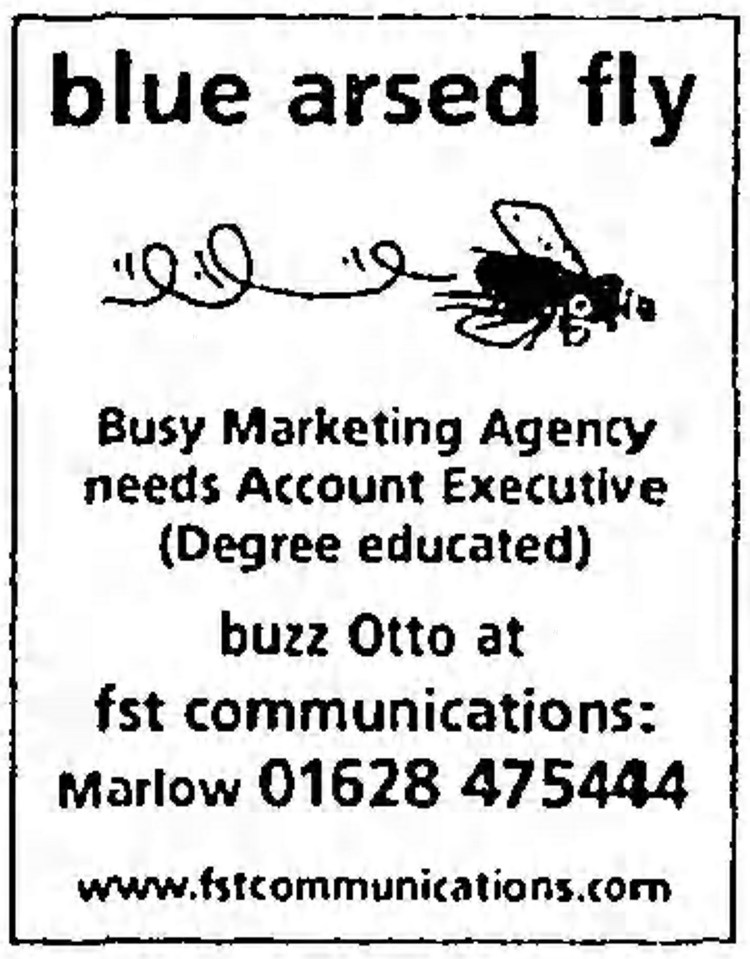
British English, armed forces, 1936—With reference to the bluebottle fly, the colloquial phrase ‘like a blue-arsed fly’ is used to describe someone engaged in constant, frantic activity or movement.
Read MoreUK, 1797—strength or confidence gained from drinking alcohol—alludes to the drinking habits ascribed to the Dutch—one of the phrases in which ‘Dutch’ is used derogatorily, largely because of the enmity between the English and the Dutch in the 17th and 18th centuries
Read More
late 16th century—from early modern Dutch ‘maelstrom’ (now ‘maalstroom’)—originally a proper name designating a powerful whirlpool in the Arctic Ocean, off the west coast of Norway, which was formerly supposed to suck in and destroy all vessels within a wide radius
Read Moredenotes a situation in which the alternatives are considered equivalent—first recorded, as ‘six of the one and half a dozen of the other’, on 24th April 1790 in the journal of Ralph Clark, a British naval officer—synonym: ‘(as) broad as long’
Read MoreUK, early 19th century—private property taken from an enemy in war—originally an Anglo-Indian noun, from Hindi ‘lūṭ’, from Sanskrit ‘luṇṭh-‘, ‘to rob’—came to be also used as slang for ‘money’ and to also denote ‘wedding presents’
Read More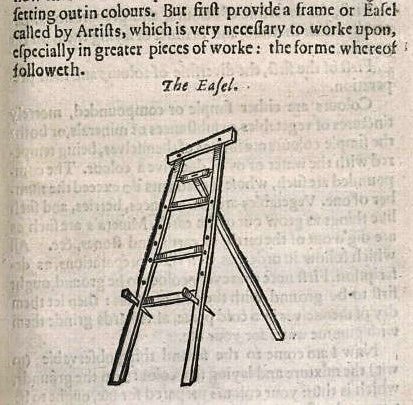
The noun ‘easel’ was borrowed from Dutch ‘ezel’; this sense of ‘ezel’ is a metaphorical extension of its literal meaning, ‘ass’, from the fact that, like a beast of burden, an easel is used to carry things. Likewise, the literal meaning of the synonymous French word ‘chevalet’ is ‘little horse’.
Read More
