soldiers regarded simply as material to be expended in war—‘cannon fodder’ (1847), said to have been coined after German ‘Kanonenfutter’—French ‘chair à canon’ (1814), first used in reference to Napoléon Bonaparte
used as an interjection to assert truthfulness, honour or sincerity—USA, 1851, as ‘honest Indian’—perhaps alludes to the fact that, in their past interactions with Europeans, Native Americans had to give assurance of their good faith
Australia, 1927—alteration of ‘blanc’ in French ‘vin blanc’ (‘white wine’)—via rhyming slang forms such as ‘plinketty-plonk’, from phrases such as ‘vin blank’ in the slang of soldiers stationed in France during WWI
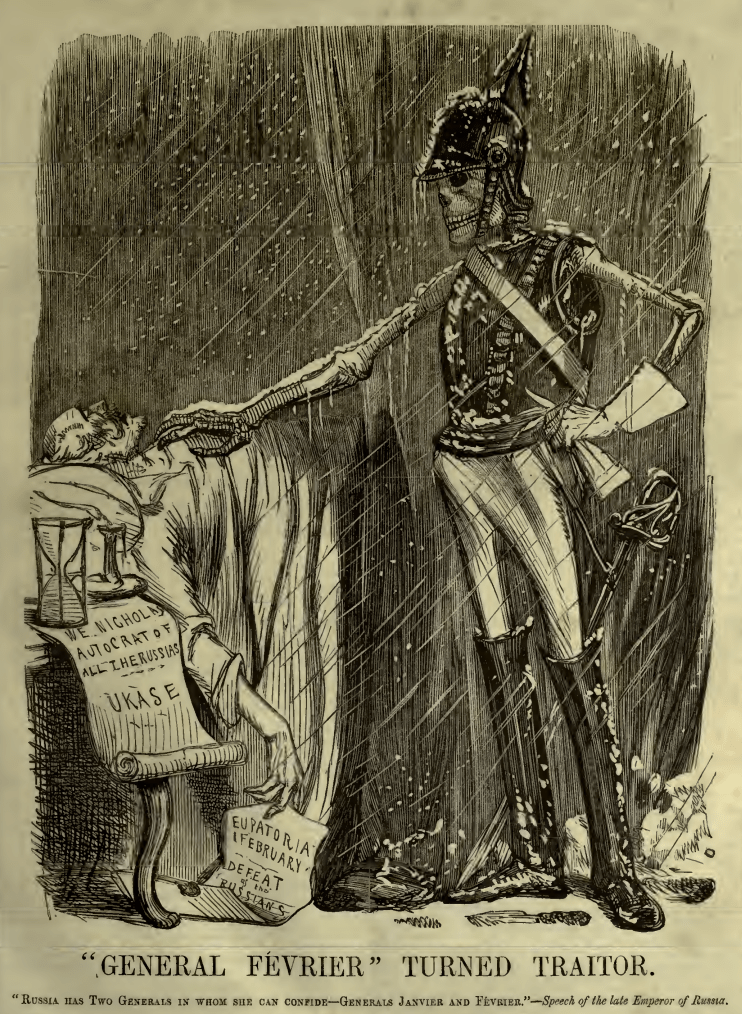
personify January and February as army commanders, especially in reference to winter as detrimental or destructive to a military campaign—apparently coined by Russian Prince Alexander Menshikov in 1855, during the Crimean War
personifies the winter season as an army commander, especially in reference to winter as detrimental or destructive to a military campaign—UK, 1777, in reference to the War of American Independence
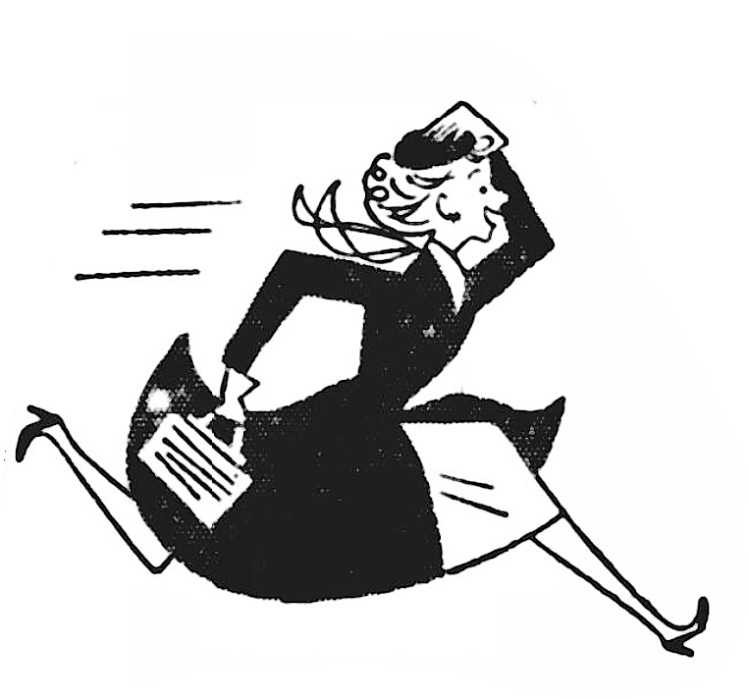
from the image of a speeding explosive projectile—primary meaning (of a motorcar, an aircraft, a motorcycle, an animal, a person): to move very fast—later (also ‘to go down like a bomb’ and ‘to go down a bomb’): to be very successful or popular
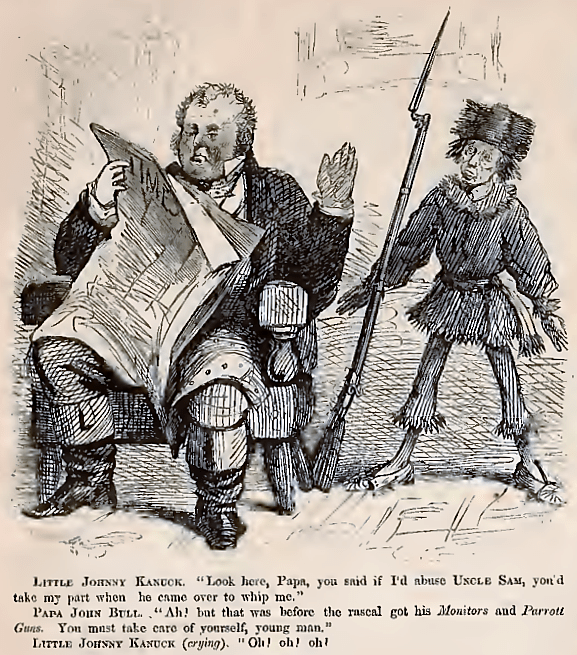
USA, 1858—a personification of the Canadian nation; Canadian people collectively; as a count noun: a Canadian—from ‘Canuck’, meaning Canadian—‘Johnny’ is used with modifying word to designate a person of the type, group, profession, etc., specified
Australia, 1834—used in various phrases, in particular as a type of someone or something in a very bad state or condition—also in the phrase ‘all behind like Barney’s bull’, meaning ‘very delayed’ or ‘backward’—origin unknown
diarrhoea suffered by travellers, especially in Egypt—1915, British Army—the word ‘gyppy’ is from ‘gyp’ in ‘Egyptian’, and the suffix ‘-y’, used to form familiar diminutives

 word histories