‘to come to a sticky end’: meaning and early occurrences
to die, or to come to grief, in violent or exceptionally unpleasant circumstances—Australia, 1897—here, the adjective ‘sticky’ means ‘unpleasant’
Read More
“ad fontes!”
to die, or to come to grief, in violent or exceptionally unpleasant circumstances—Australia, 1897—here, the adjective ‘sticky’ means ‘unpleasant’
Read More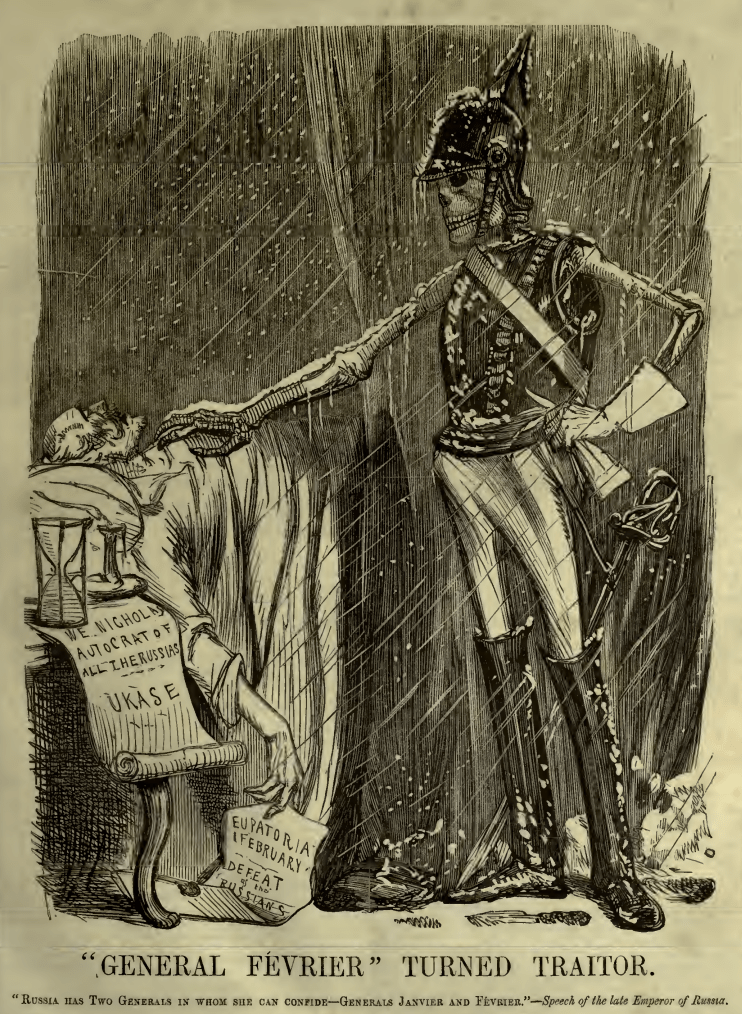
personify January and February as army commanders, especially in reference to winter as detrimental or destructive to a military campaign—apparently coined by Russian Prince Alexander Menshikov in 1855, during the Crimean War
Read Morepersonifies the winter season as an army commander, especially in reference to winter as detrimental or destructive to a military campaign—UK, 1777, in reference to the War of American Independence
Read More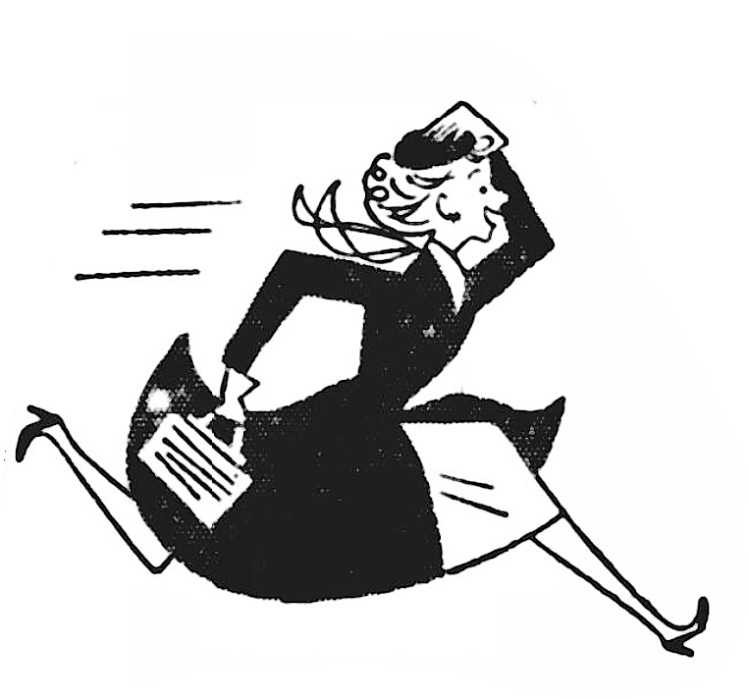
from the image of a speeding explosive projectile—primary meaning (of a motorcar, an aircraft, a motorcycle, an animal, a person): to move very fast—later (also ‘to go down like a bomb’ and ‘to go down a bomb’): to be very successful or popular
Read More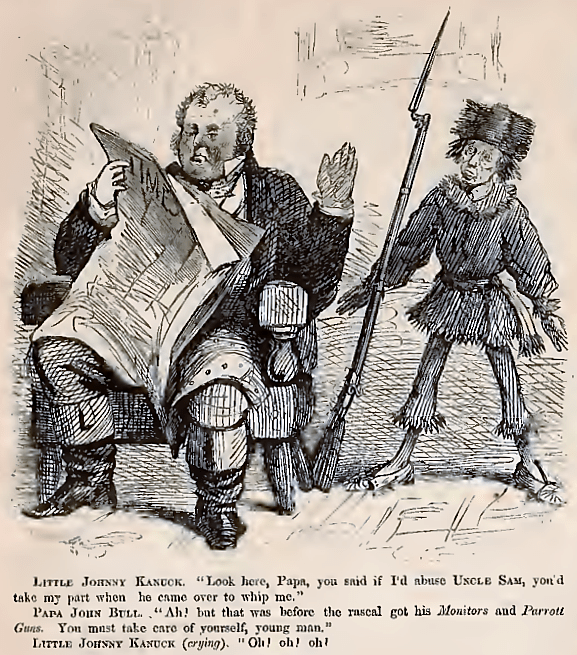
USA, 1858—a personification of the Canadian nation; Canadian people collectively; as a count noun: a Canadian—from ‘Canuck’, meaning Canadian—‘Johnny’ is used with modifying word to designate a person of the type, group, profession, etc., specified
Read MoreAustralia, 1834—used in various phrases, in particular as a type of someone or something in a very bad state or condition—also in the phrase ‘all behind like Barney’s bull’, meaning ‘very delayed’ or ‘backward’—origin unknown
Read Morediarrhoea suffered by travellers, especially in Egypt—1915, British Army—the word ‘gyppy’ is from ‘gyp’ in ‘Egyptian’, and the suffix ‘-y’, used to form familiar diminutives
Read Moreout of one’s mind, extremely annoyed—Australia, 1900; New Zealand, 1907—originally as ‘(as) mad as a snake’, ‘(as) mad as snakes’ and variants—later as ‘(as) mad as a cut snake’
Read More
Australia, 1954—derogatory nickname for the metal eagle at the top of the Australian-American Memorial in Canberra—alludes to the fact that, from a distance, the eagle’s upswept wings look like a rabbit’s ears
Read More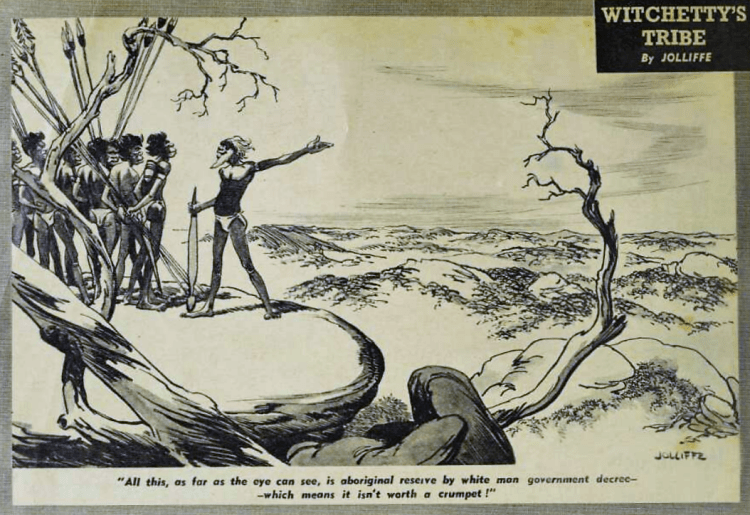
Australia, 1944—utterly worthless—one of the phrases built on the pattern ‘not worth a —’, such as ‘not worth a tinker’s curse’
Read More
