‘to meet one’s Waterloo’: meaning and origin
to be utterly defeated—alludes to the defeat of Napoléon I at the Battle of Waterloo in 1815—UK, 1832, as ‘to meet with a Waterloo’—USA, 1838, as ‘to meet one’s Waterloo’
Read More
“ad fontes!”
to be utterly defeated—alludes to the defeat of Napoléon I at the Battle of Waterloo in 1815—UK, 1832, as ‘to meet with a Waterloo’—USA, 1838, as ‘to meet one’s Waterloo’
Read MoreUK, 1942—a weekly hour of religious instruction provided by chaplains to British-Army units—‘padre’ (literally ‘father’) is colloquially used to designate and address a male chaplain in the armed forces
Read Moreprostitution—1889 as ‘the most ancient profession in the world’ in On the City Wall, by Rudyard Kipling—was used earlier, with positive connotations, of various professions, especially agriculture
Read Morean intelligence operative, also an intelligence operation—UK, 1966—from ‘sneaky’ (furtive, deceitful) and ‘beaky’ (referring to an overly inquisitive person, with allusion to a prominent nose)
Read MoreUSA—also ‘pinky promise’—a binding promise made while linking one’s little finger with that of another person—‘pinky’ designates the little finger
Read MoreIreland, 1891—used in negative contexts to denote rejection, especially in ‘not for all the tea in China’, meaning ‘not in any circumstances’—refers to China as a major producer of tea, and to tea as a commodity of great value
Read More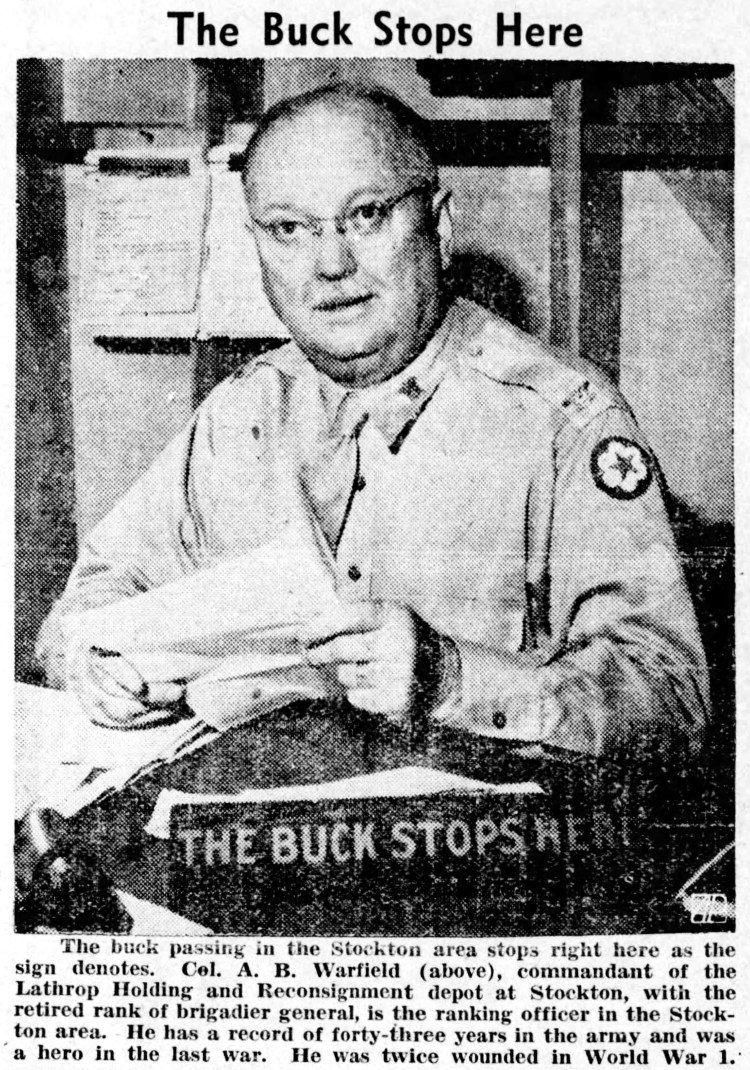
USA, 1929—the final responsibility lies with a particular person—from ‘to pass the buck’—‘buck’: in the game of poker, any object in the jackpot to remind the winner of some obligation when his or her turn comes to deal
Read MoreAustralia, 1976—used by Aborigines to depreciatively designate unemployment or welfare benefits—‘sit-down’ means: performed or obtained while sitting down, with the implication that no or few efforts are required
Read MoreAustralia, 1932: to attract unwelcome attention or criticism—originally, WWI slang: to draw artillery fire from the enemy, in reference to crab shells, used with punning allusion to artillery shells
Read MoreAustralia, 1957, as ‘a hatful of bronzas’—used in similes expressing notions such as ugliness and silliness
Read More word histories