origin of the word ‘point-blank’
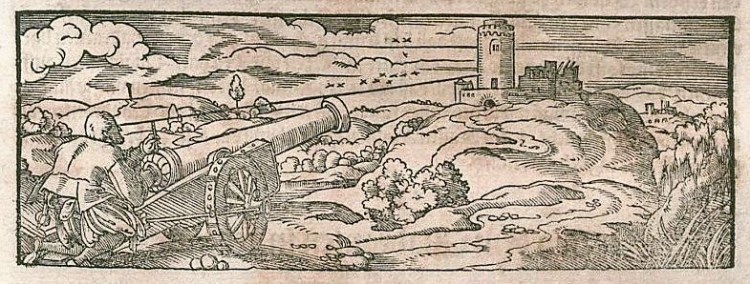
1571—probably from obsolete French ‘de pointe en blanc’, used of firing into empty space for the purpose of seeing how far a piece of artillery would carry
Read More
“ad fontes!”
1571—probably from obsolete French ‘de pointe en blanc’, used of firing into empty space for the purpose of seeing how far a piece of artillery would carry
Read Moreremarks on English phrases (‘to rain cats and dogs’, ‘tit for tat’, ‘the devil to pay’, etc.) – from Notes and Queries (London), 9th November 1861
Read More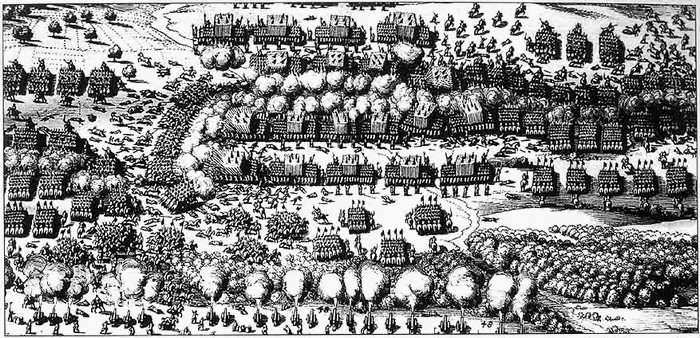
early 17th century, with ‘the Dead Sea’ and ‘the deep sea’—originated in the image of a choice between damnation (‘the Devil’) and drowning (‘the sea’)
Read More
1942—In US Air Force’s slang, ‘eager beaver’ denoted an alert and efficient student cadet, with allusion to the animal’s industriousness.
Read More
British, 1810—to use one’s greater age or experience to deceive someone or to shirk a duty—from ‘old soldier’ meaning ‘a person much experienced in something’
Read More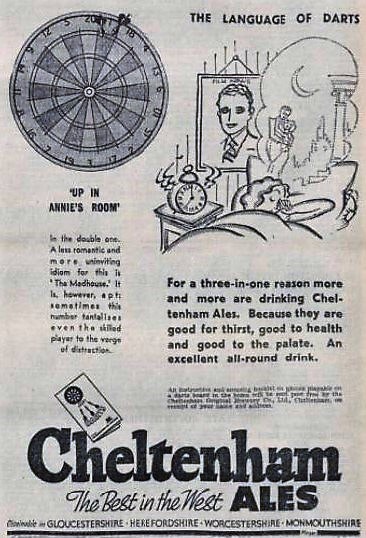
late 1910s: an answer to an enquiry as to the whereabouts of someone who cannot be found—1930s: the space at the top of the dartboard where scores are doubled
Read MoreIn allusion to The Tale of the Ancyent Marinere (1798), by Samuel Taylor Coleridge: the albatross killed by the mariner is hung around his neck as punishment.
Read More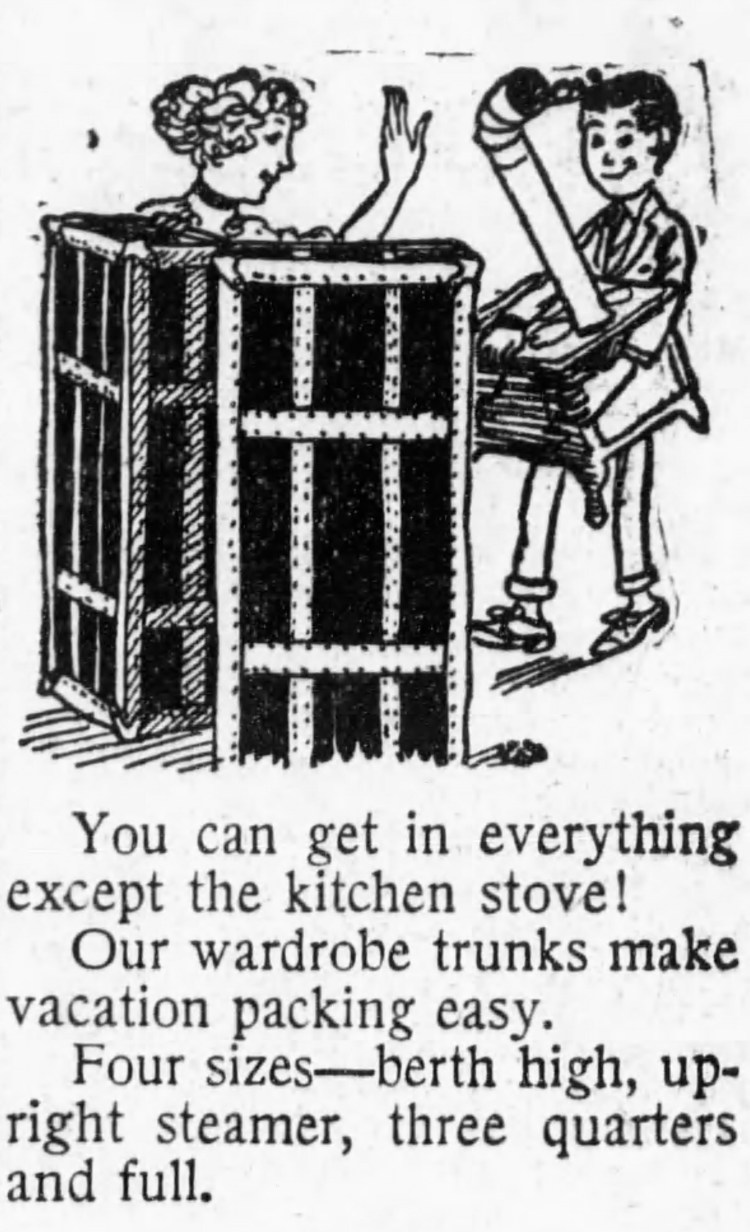
The phrase ‘everything but the kitchen sink’, or ‘the kitchen stove’, and variants mean ‘practically everything imaginable’—origin: USA, early 20th century
Read More
‘no man’s land’—first a place of execution outside London; then a mass burial ground during the Black Death; later an unoccupied zone between opposing forces
Read More‘all Sir Garnet’ (late 19th cent.): highly satisfactory – from the name of Sir Garnet Wolseley (1833-1913), who conducted successful military expeditions
Read More word histories